Signs of Tree Root Intrusion in Your Septic System (And How to Fix It)
Living in Southern New Hampshire means enjoying beautiful, wooded landscapes right in your backyard. However, the exact trees that provide summer shade and curb appeal can also pose a severe, hidden threat to your home's wastewater infrastructure. When tree roots in septic pipes go unnoticed, they create massive biological blockages that inevitably lead to raw sewage backups. Understanding how to identify these natural intrusions early prevents minor plumbing slow-downs from turning into expensive, irreversible property damage.
The Biology Behind Root Intrusion in Wastewater Systems
To understand why tree roots invade your household plumbing, it helps to first look at the survival biology of root systems in New England. Trees naturally practice hydrotropism, meaning their root networks actively and continuously seek out moisture and nutrients in the surrounding soil. During a dry summer or a period of prolonged drought, the natural water table drops. When this happens, your underground wastewater system becomes the most reliable, nutrient-dense water source on your entire property.
The liquid effluent flowing through your underground pipes is warm and incredibly rich in nitrogen and phosphorus. These are the exact same chemical elements found in high-quality commercial fertilizers. When large trees sense this steady moisture and nutrient supply, their roots grow aggressively toward the source. Once they locate the PVC pipes or the concrete tank, they exploit microscopic cracks, slightly loose joint connections, or the intended drainage perforations in the leach field lines to access the water inside.
Early Signs of Root Intrusion Septic Homeowners Should Watch For
Recognizing the early signs of root intrusion septic systems present allows you to intervene before a catastrophic plumbing failure occurs. The earliest symptoms almost always happen inside the home, usually presenting as subtle changes in air pressure. You might notice that a single toilet bubbles or gurgles when you run the nearby bathroom sink. Slowly draining showers and bathtubs that stubbornly resist standard plunging are also strong indicators of a restricted main line.
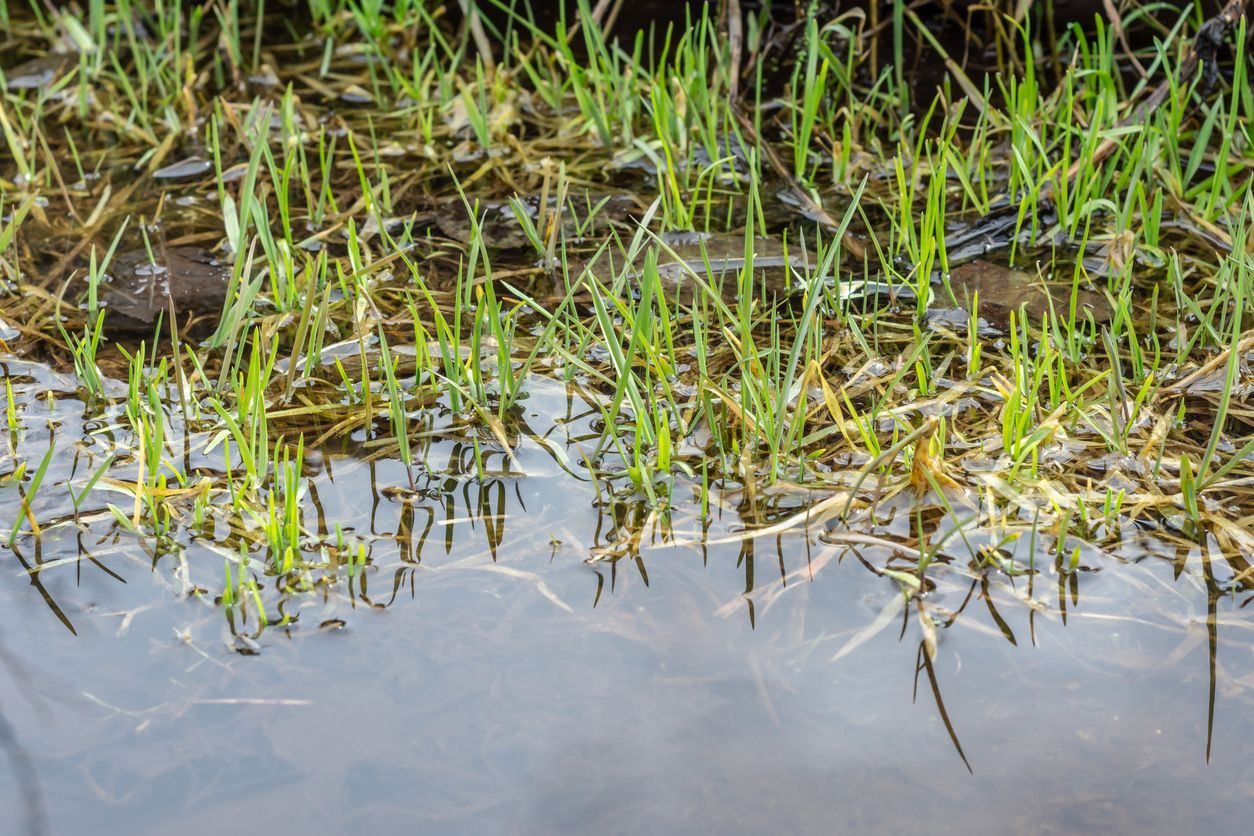
Outside the home, the warning signs become much more visual. If you notice a sudden patch of incredibly vibrant, fast-growing grass in one specific area of your yard, a cracked pipe may be leaking concentrated effluent directly into the topsoil. For a deeper understanding of what these outdoor symptoms look like and how to spot them during a routine yard walk, you can review this helpful guide at how-to-tell-if-drain-field-is-failing As the underground blockage worsens, you may also detect a foul, rotten-egg odor lingering near the concrete tank lids or above the dispersal trenches.
The Mechanics of Tree Roots in Septic Pipes
The damage caused by vegetation is not just a partial restriction; it is a structural invasion. Once a single, hair-like root breaches a pipe joint or concrete seam, the warm, continuous flow of wastewater causes it to grow at an explosive rate. Tree roots in septic pipes do not just pass straight through the plastic tube. Instead, they spread out and form a dense, fibrous mat that resembles a heavy sponge.
This biological web acts exactly like a physical net. It begins catching solid waste, toilet paper, and household grease as the water attempts to flow out of the house. Eventually, this root mat completely seals the interior diameter of the pipe. If the intrusion occurs in the main sewer line between your home's foundation and the tank, the daily wastewater has nowhere to go but backward. This frequently results in a flooded basement or an overflowing ground-floor toilet. If the roots bypass the tank and invade the perforated PVC pipes within the yard, they prevent the liquid from dispersing evenly into the soil, causing the entire dispersal area to hydraulically fail.

Clearing Roots From Leach Field Trenches and Main Lines
Resolving a dense root blockage requires a heavy-duty, mechanical solution. Pouring harsh chemical drain cleaners down your toilet is entirely ineffective against thick wooden roots and will only destroy the delicate, beneficial bacteria living inside your tank. If the blockage is located in the main line, utilizing a professional septic rooter service NH homeowners trust is the safest and most effective first step. A qualified technician uses a mechanical auger equipped with a rotating steel cutting blade to physically slice through the roots and safely push the debris into the tank.
If the massive influx of roots has caused solids to back up into the tank, scheduling a routine
septic cleanout is necessary to empty the accumulated waste and evaluate the physical condition of the inlet and outlet baffles.
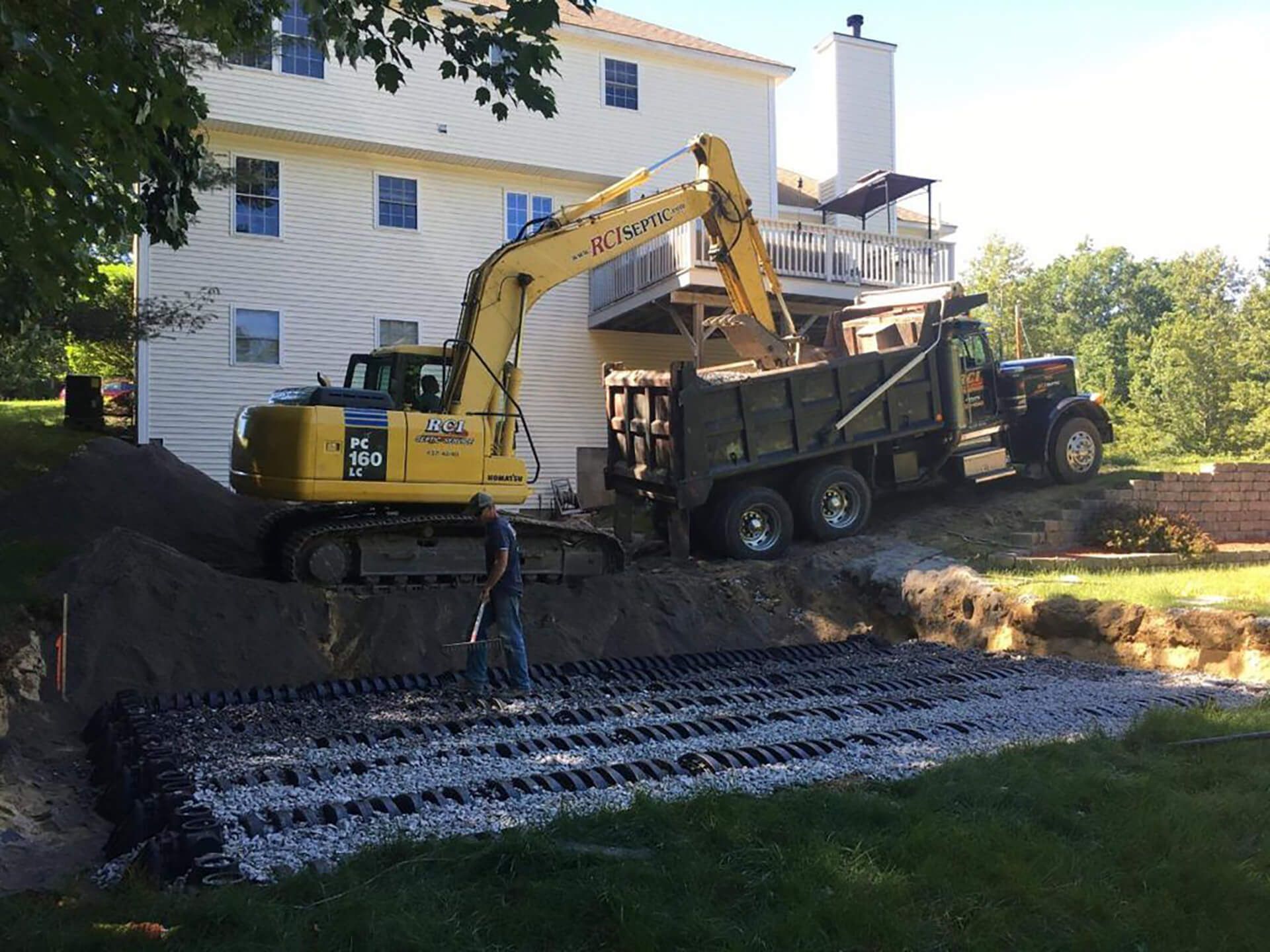
Unfortunately, clearing roots from leach field trenches is significantly more difficult than clearing a solid main line pipe. Because the dispersal pipes are perforated, highly brittle, and buried in crushed stone, aggressive roots often shatter the plastic as they expand. When roots have completely crushed the underground trenches and destroyed the soil's porosity, standard augers cannot save the pipes. In these severe cases, the only permanent solution requires comprehensive septic system repair and replacement to excavate the yard and rebuild the damaged sections to state code.
Trees to Avoid Planting Near Septic Components
The absolute most effective way to manage root intrusion is strict prevention through careful, planned landscaping. When upgrading your yard, there are specific trees to avoid planting near septic components at all costs. Fast-growing, water-loving species such as weeping willows, silver maples, birch, and elm trees have incredibly aggressive, far-reaching root systems. These species will actively hunt for your underground pipes and can cause severe, irreversible damage in just a few short growing s
As a general landscaping rule, you should plant any new tree at a safe distance equal to its estimated mature height. If a new oak tree is expected to grow fifty feet tall, it should be planted a minimum of fifty feet away from your concrete tank, distribution box, and dispersal trenches. The safest ground cover for your wastewater infrastructure is always standard, shallow-rooted lawn grass. Turf grass prevents surface soil erosion and promotes necessary moisture evaporation without ever posing a deep-root threat to the buried pipes below.

The Financial Impact of Ignoring Root Intrusions
Addressing a slow drain immediately is not just about convenience; it is a critical financial decision. When tree roots first enter a pipe, the cost to remove them with a mechanical auger is relatively minor. It is a standard maintenance procedure that takes a few hours and leaves the physical pipe intact.
However, ignoring the gurgling toilets and slow drains allows the roots to expand in diameter. As wooden roots grow thicker, they exert immense outward pressure on the PVC or cast-iron pipes. Eventually, the pipe will crack, splinter, or collapse entirely under the strain. When a pipe collapses underground, a simple rooter service is no longer an option. The yard must be excavated with heavy machinery, the broken pipe must be cut out, and a new section must be professionally installed. Being proactive about unusual plumbing sounds is the easiest way to prevent a minor service call from escalating into a major landscaping and construction project.
Frequently Asked Questions
Can tree roots break through a concrete septic tank?
Yes, aggressive tree roots can break through a concrete tank. While healthy concrete is incredibly durable, older tanks may develop hairline cracks from natural soil settling or New Hampshire frost heaves. Roots seek out the moisture seeping from these tiny fissures, wedge themselves inside, and slowly expand. This constant pressure eventually breaks the concrete and compromises the tank's structural integrity.
Do chemical root killers work in a septic system?
Chemical root killers are generally not recommended for residential wastewater systems. Many store-bought foaming root killers contain harsh biocides, copper sulfate, or other caustic chemicals. Flushing these chemicals down the drain introduces toxins directly into your tank, which can kill the biological colony responsible for digesting your solid waste and cause the entire system to fail.
How do I know if the clog is from roots or just toilet paper?
It is difficult for a homeowner to visually determine the exact cause of a severe clog. If plunging does not resolve the slow drain, or if the backup occurs frequently despite cautious flushing habits, roots are a strong possibility. A professional can use a specialized waterproof camera to inspect the inside of the main sewer line and positively identify a root mat versus a standard paper blockage.
Will removing a tree kill the roots already in my pipes?
Cutting down the offending tree will eventually kill the root system, but it does not solve the immediate plumbing problem. The dead roots will remain inside the pipe, acting as a physical barrier that catches paper and solid waste. The roots still need to be mechanically removed via an auger or hydro-jetting to fully restore the pipe's interior diameter and drainage capacity.
Is it safe to plant shrubs near my leach field?
Woody shrubs and bushes should be kept at least ten to twenty feet away from your dispersal trenches. Even smaller shrubs possess surprisingly deep, woody taproots that can penetrate perforated pipes in search of water. It is always safest to keep the area completely clear of anything other than standard, shallow-rooted turf grass.
Conclusion
A healthy wastewater system requires a clear, unobstructed path to manage your home's daily water usage. When tree roots in septic pipes restrict that path, the resulting pressure puts your entire property at risk. By watching for early warning signs inside the home, maintaining safe landscaping distances in the yard, and addressing slow drains promptly with mechanical solutions, you can successfully protect your underground infrastructure from the silent damage of root intrusion.
For homeowners looking for additional information or professional support related to this topic, RCI Septic Service offers septic-related services and resources. Learn more at https://www.rciseptic.com/.