
Planning a Backyard Patio in NH: Safe Distances from Your Septic Components
We know that summer in Southern New Hampshire is the perfect time to maximize your outdoor living space. Upgrading your yard with a new seating area, fire feature, or outdoor kitchen is a highly rewarding home improvement project. However, this process requires careful planning if your property relies on a residential wastewater system.
The idea of building patio over septic tank components is a common consideration when usable yard space is limited. Homeowners naturally want to utilize every square foot of their property. Unfortunately, placing heavy structures over these critical underground utilities creates severe structural and environmental risks.
This guide explains the physical and biological reasons why keeping a safe distance between your hardscaping and your septic system is absolutely necessary. We will outline how heavy materials damage buried pipes, why your drain field needs to breathe, and the precise steps you must take to protect your property from an expensive plumbing failure.
The Physical Risks of Building Patio Over Septic Tank Components
Your concrete septic tank is incredibly durable against the natural, even pressure of the surrounding soil. It is engineered to sit quietly underground and hold wastewater. However, it is not engineered to support the concentrated, massive weight of surface construction. Building patio over septic tank infrastructure places immense, unnatural stress on the concrete lid and the internal tank walls.
Constructing a patio requires a deep base layer of compacted crushed gravel and heavy leveling sand. On top of that, you place tons of natural stone, concrete pavers, or poured cement. This adds thousands of pounds of downward force directly over a hollow concrete box. This excessive weight can easily cause the tank lid to crack, warp, or collapse entirely into the sludge below. A collapsed lid creates an immediate safety hazard in your yard and allows surface dirt to flood the tank, instantly stopping the wastewater treatment process.
Furthermore, installing a permanent patio completely blocks necessary access to the system. Routine maintenance requires opening the main covers to pump out the accumulated waste. If a stone patio covers these vital access points, the hardscaping must be physically destroyed and removed before your tank can be serviced.
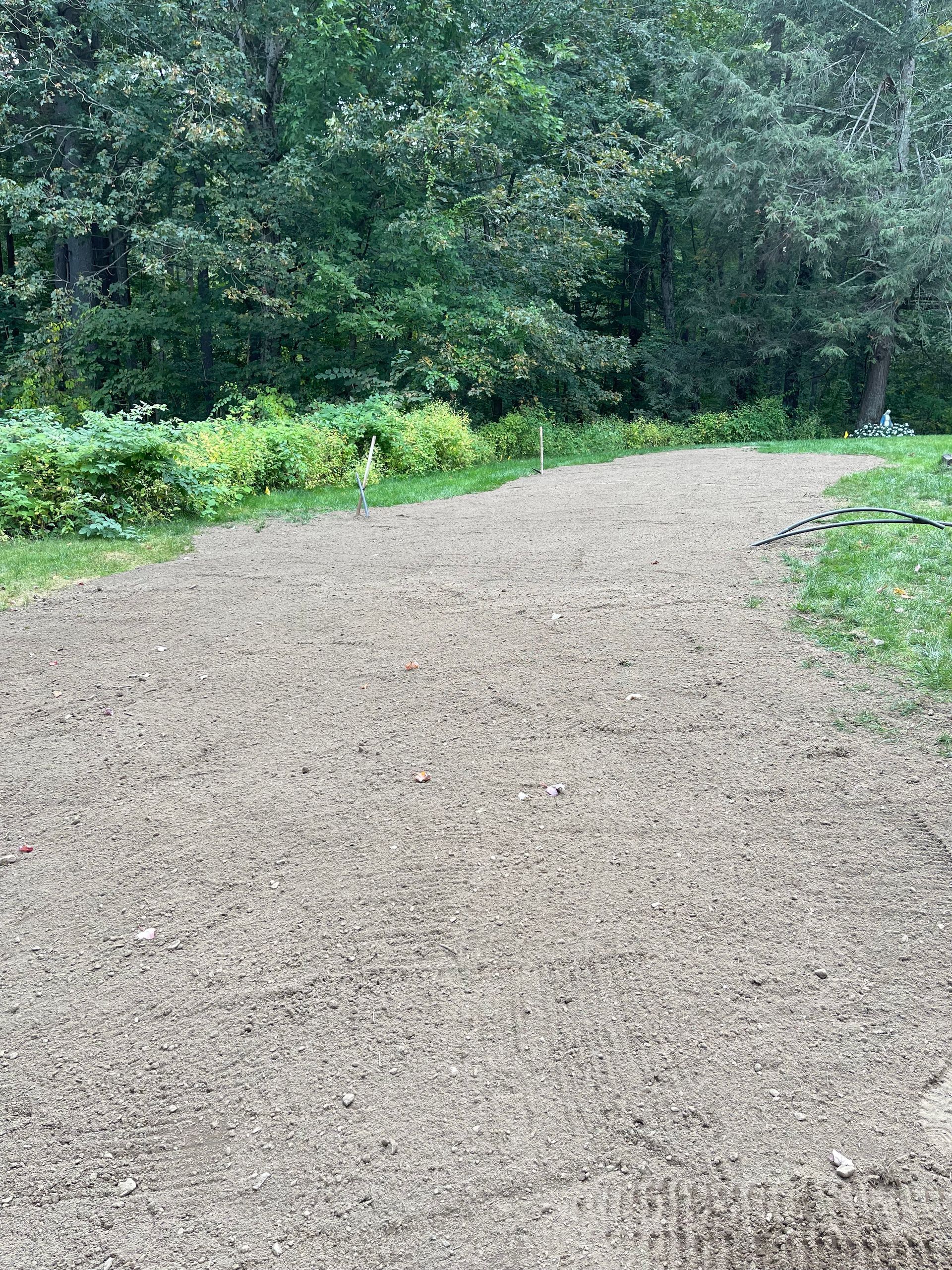
Why Hardscaping Near Leach Field Areas Causes Failure
The dispersal area in your yard relies on a delicate, invisible biological balance. A traditional setup utilizes perforated PVC pipes buried in trenches to slowly release treated liquid effluent into the surrounding earth. For this natural filtration process to work, the bacteria living in the ground need a constant supply of oxygen from the surface.
Installing hardscaping near leach field components completely disrupts this vital oxygen exchange. Laying down a thick patio base, mechanically compacting the soil, and installing stone pavers essentially seals the ground. It creates a suffocating barrier that prevents oxygen from reaching the beneficial bacteria responsible for digesting the wastewater pathogens. You can learn more about the specific mechanics of these underground trenches by reading stone and pipe leach field.
Sealing the surface also stops natural moisture evaporation. Your drain field utilizes wind and direct sunlight to help manage the sheer volume of daily water exiting your home. When a patio covers the grass, the soil underneath remains trapped and saturated. This inability to breathe leads directly to hydraulic overload, forcing raw sewage to back up into your home or bubble up to the surface.
Can You Put a Fire Pit Over Septic Tank or Drain Field?
Creating a dedicated outdoor gathering space often involves installing a fire feature. Placing a fire pit over septic tank or drain field areas introduces both weight and severe heat risks to your underground utilities.
The PVC pipes carrying wastewater out of your house are buried relatively shallow in the yard. If you build a heavy stone fire pit directly above them, the intense, sustained heat from the fires will transfer downward through the soil. Over time, this recurring heat can warp, weaken, or completely melt the shallow PVC pipes, causing permanent blockages. Understanding the critical role of the septic-distribution-box helps highlight why protecting these shallow lines from heat and pressure is necessary.
Additionally, fire pits attract heavy foot traffic. Gathering chairs around the fire causes people to constantly walk and stand over the exact same small area of grass. This concentrated foot traffic severely compacts the soil over the leach field. Compacted soil loses its natural porosity, destroying the tiny underground pockets the ground needs to absorb liquid effluent.

Navigating Heavy Equipment on Septic Yard During Construction
The danger to your wastewater system often begins before the patio is even built. The construction process itself introduces massive risks to your property. Operating heavy equipment on septic yard areas is a leading cause of premature, irreversible system failure.
Landscaping contractors frequently use skid steers, mini-excavators, and motorized wheelbarrows to move heavy pallets of stone and yards of base gravel. Driving these heavy machines over the leach field crushes the buried PVC pipes instantly. The extreme weight of the machinery also deeply compacts the soil, ruining its ability to filter water long before the patio is even finished.
Before any yard construction begins, you must physically mark the boundaries of your entire septic system with highly visible flags or stakes. Ensure your landscaping contractors know exactly where the tank, pipes, and leach field are located. Mandate that all heavy machinery, material deliveries, and supply staging remain strictly outside of these marked zones.
Safe Landscaping Around Septic NH Regulations
Following proper rules for landscaping around septic NH systems allows you to enjoy a beautiful, upgraded yard while protecting your critical infrastructure. The safest approach is to design your outdoor living spaces as far away from the wastewater components as your property lines allow.
As a general rule, all hardscaping, heavy structures, and patios should be set back a minimum of ten to twenty feet from the absolute edge of any part of the septic system. This buffer zone ensures the weight of the structure does not compress the surrounding soil. It also keeps the area completely clear for future maintenance, test pits, or heavy excavation equipment if a repair is ever needed.
Instead of building over the system, keep the area covered entirely in shallow-rooted lawn grass. Standard grass prevents soil erosion, absorbs surface water, and promotes healthy evaporation without ever posing a root threat to the pipes below. For more creative ways to safely integrate your yard's natural features, review our guide on top septic system landscaping ideas to enhance your yard

Frequently Asked Questions
Can I build a patio over my septic tank if I leave access to the lids?
No, you should not build a patio over the tank even if you incorporate access hatches or covers for the lids. The primary issue is the immense weight of the patio materials resting on the concrete structure beneath the ground.
The added weight of the crushed gravel base, leveling sand, and heavy stone pavers places severe stress on the tank. This continuous pressure can cause the concrete lid to crack or the entire tank to shift and collapse, regardless of whether the access ports are left open.
How far should a patio be from the leach field?
You should plan to keep any patio or heavy hardscaping a minimum of ten to twenty feet away from the outer edges of your leach field.
This specific setback prevents the massive weight of the patio from compressing the soil near the active trenches. It also ensures that heavy rain runoff shedding off the non-porous patio surface does not inadvertently flood the drain field, which can cause a hydraulic overload.
Is it safe to drive a small tractor over the drain field during landscaping?
It is never safe to drive a tractor, skid steer, or any heavy construction equipment over a drain field.
The perforated PVC pipes that disperse your wastewater are buried just below the surface of the grass. The concentrated weight of the machine's tires will crush the brittle pipes and severely compact the soil. This leads to an immediate and expensive system failure that requires total excavation to fix.
What should I do if my current patio is already built over the septic tank?
If you purchased a home where a previous owner built a patio over the tank, we recommend having the system evaluated immediately.
If the patio blocks access to the lids, a section of the stone or concrete will need to be permanently removed to allow for routine pumping and maintenance. A professional can also evaluate the structural integrity of the concrete tank to ensure the weight of the patio has not already caused a dangerous collapse.
Can I put a lightweight above-ground fire pit on my leach field?
While a lightweight, portable metal fire pit will not crush the underground pipes, placing it over the leach field is still not recommended.
The intense heat generated by the fire can dry out and alter the delicate soil biology directly below the grass. More importantly, the concentrated foot traffic from friends and family gathering around the fire will severely compact the soil over time, ruining the leach field's ability to absorb water.
Conclusion
Planning a backyard upgrade requires balancing beautiful aesthetics with the highly functional needs of your property. The temptation of building patio over septic tank areas is strong when trying to maximize an outdoor layout, but the physical and biological risks to your wastewater infrastructure are simply too high. By respecting the necessary setbacks, maintaining proper oxygen flow, and keeping heavy equipment entirely away from your drain field, you ensure your home remains safe, sanitary, and fully operational for decades.
For homeowners looking for additional information or professional support related to this topic, RCI Septic Service offers septic-related services and resources. Learn more at https://www.rciseptic.com/.