Can I Plant a Vegetable Garden Over My Septic Leach Field in NH?
Spring arrives in New Hampshire, and homeowners naturally want to maximize their outdoor space. Planning a summer garden is a seasonal tradition. If your property relies on a subsurface wastewater system, you might look at that large, sunny, treeless expanse of grass in your backyard and think it is the perfect spot for raised beds.
We frequently answer questions from homeowners who want to plant a vegetable garden over septic leach field components. While the soil there is undeniably rich in moisture and nutrients, combining household wastewater infrastructure with food production is a dangerous combination. It threatens your family's health and the mechanical survival of your underground pipes.
This article explains the biological and physical reasons why you must keep food crops away from your wastewater components. We will cover the mechanics of your drain field, the health risks of contaminated soil, and the specific rules for keeping your yard beautiful and safe.
The Biological Reality of Growing Food Near Septic Tank Components
Your residential wastewater system manages every drop of water that goes down your household drains. After the solid waste settles inside the concrete septic tank, the remaining liquid effluent flows out into the drain field. This effluent acts like a highly concentrated liquid fertilizer, rich in nitrogen and phosphorus.
However, this moisture also contains high levels of human pathogens, viruses, and harmful microorganisms. The soil in your yard serves as a natural biological filter, trapping and neutralizing these pathogens before the water reaches the underground aquifer. When you consider growing food near septic tank systems or directly over the dispersal pipes, you are placing edible plants directly into this active filtration zone.
The primary health risk is the creation of a bacterial contamination garden. Edible plants interact with the soil in different ways, and all of them present distinct dangers. Root vegetables, such as carrots, potatoes, radishes, and onions, grow entirely underground. They sit directly in the effluent-soaked soil, absorbing moisture and physically contacting the pathogens. Even rigorous washing and peeling cannot guarantee these vegetables are safe for human consumption.
Above-ground crops like tomatoes, peppers, and leafy greens are equally vulnerable. Heavy New Hampshire summer rainstorms cause the soil to splash upward onto the low-hanging leaves and fruit. Furthermore, gardeners unknowingly transfer contaminated soil onto the edible portions of the plant while weeding or harvesting. The risk of severe gastrointestinal illness makes planting any food crop in this area entirely unsafe.
How Thirsty Roots Ruin Your Leach Field Pipes
Beyond the human health risks, planting a vegetable garden over septic leach field areas poses a massive physical threat to your expensive underground infrastructure. Plants naturally practice hydrotropism, meaning their roots actively seek out the nearest source of water and nutrients. During a dry New England summer, your drain field is the wettest, most nutrient-dense location on your property.
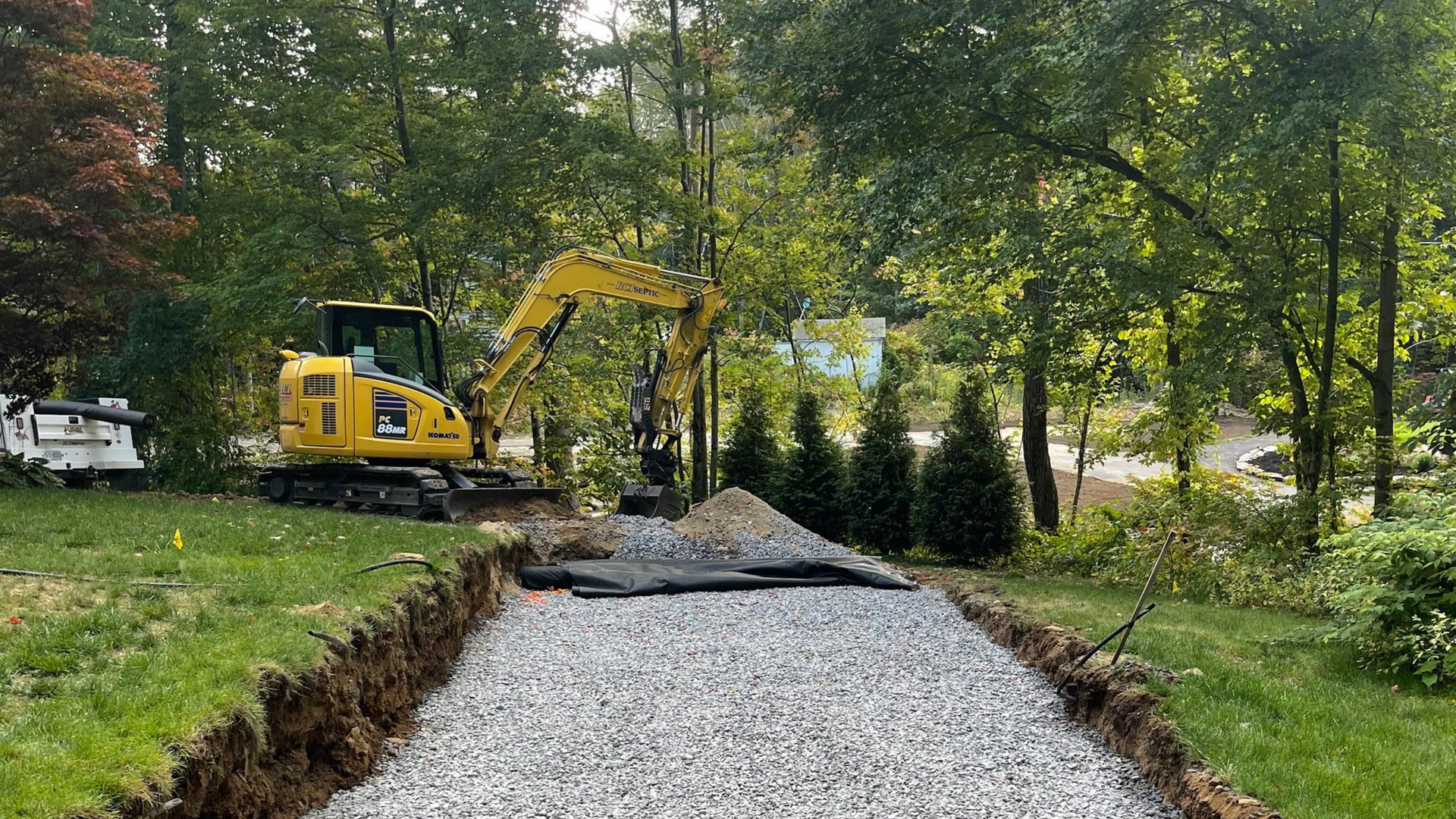
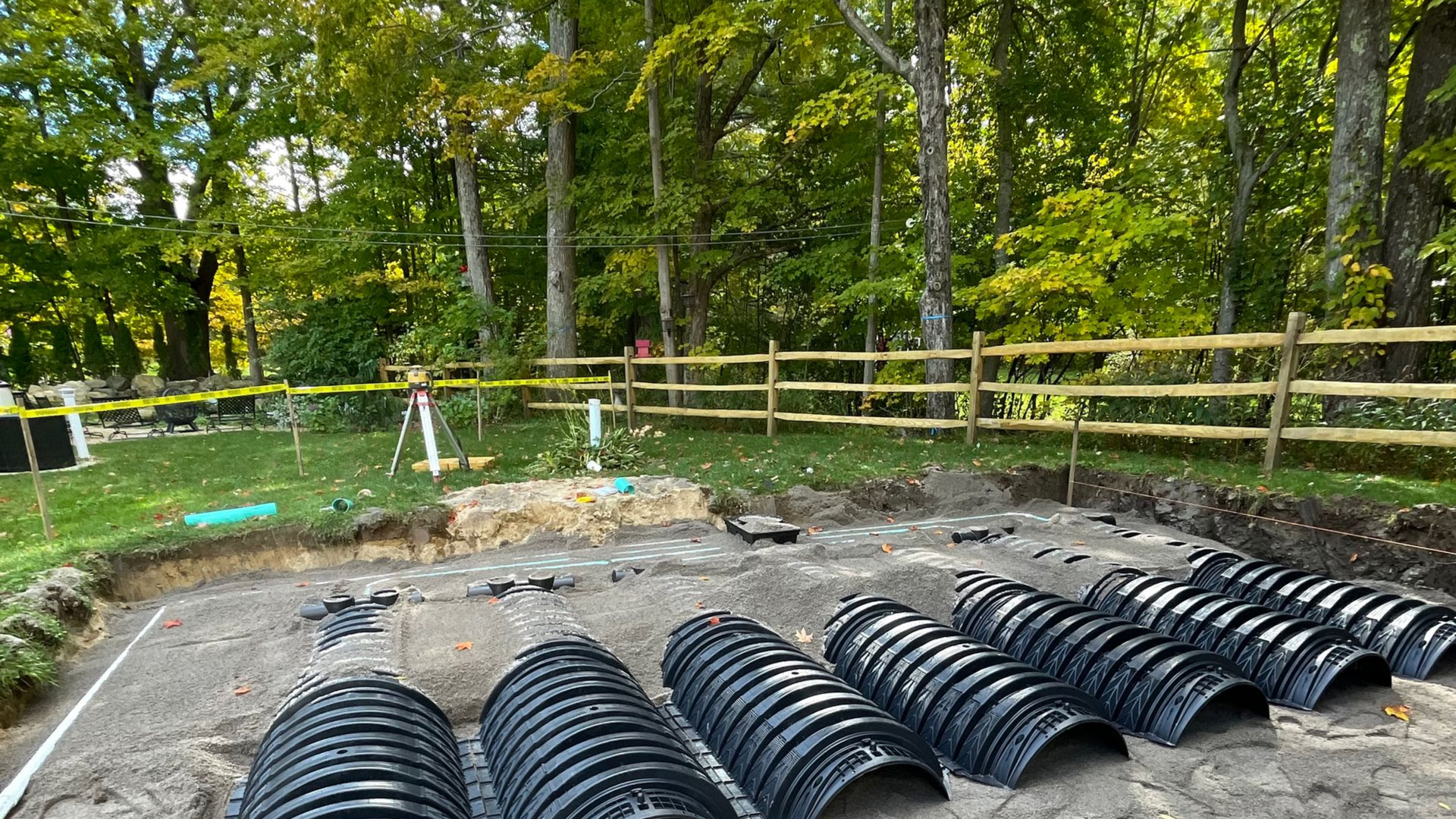
A traditional stone and pipe leach field consists of perforated PVC pipes laid inside trenches filled with crushed stone or sand. These perforations are designed to let liquid seep out slowly. When thirsty vegetable plants are placed above, their root systems quickly grow downward. They wrap around the stone and easily penetrate the small holes in the PVC piping.
Common garden plants like tomatoes, squash, and pumpkins are notoriously aggressive growers with deep, fast-spreading root systems. Once these roots enter the warm, nutrient-rich environment inside the pipe, they explode in growth. They form a dense, impenetrable mat that completely blocks the flow of liquid.
When effluent cannot flow through the pipes, it backs up into the distribution box and eventually floods the concrete septic tank. This mechanical failure pushes raw sewage back up into your home's lower plumbing fixtures or forces it to surface as foul-smelling puddles on your lawn. Removing root blockages often requires professional excavation, jetting, and expensive pipe replacement.
Navigating Landscaping Leach Field Rules in NH
Your drain field requires specific environmental conditions to function properly. The bacteria living in the soil beneath the grass need a constant supply of oxygen to digest and treat the wastewater. To maintain this oxygen exchange, the soil surface must remain uncompacted and free of heavy obstructions.
Strict landscaping leach field rules dictate how you should manage this area of your yard. Building a vegetable garden requires regular foot traffic, wheelbarrows, and heavy rototillers. The constant weight of walking over the area compacts the soil. Compacted soil loses its porosity, trapping the wastewater underground and suffocating the beneficial bacteria.
Additionally, many homeowners attempt to build raised garden beds to avoid digging into the ground. Placing a raised bed directly over the field is highly destructive. A wooden box filled with wet, heavy topsoil places massive isolated weight on the underground pipes, risking a collapse. The box also acts as a physical barrier, preventing sunlight and wind from reaching the grass below, which stops natural moisture evaporation.
Finally, vegetable gardens require frequent supplemental watering. Running a sprinkler over your drain field adds hundreds of gallons of unnecessary water to a soil system that is already working to absorb your daily household wastewater. This leads directly to a hydraulic overload. Following proper leach field maintenance practices means leaving the area entirely alone so it can breathe and evaporate moisture naturally.
Safe Plants for Septic Mounds and Drain Fields
If you cannot plant vegetables, you might wonder what you can safely grow in this large open space. The absolute best ground cover for any wastewater system is standard lawn grass. Traditional turf grasses, such as tall fescue, perennial ryegrass, and Kentucky bluegrass, possess shallow, fibrous root systems that only reach a few inches into the topsoil.
These shallow roots are highly beneficial. They absorb surface moisture, prevent soil erosion during heavy rainstorms, and facilitate oxygen exchange without ever reaching the depths of your buried pipes. Keeping the grass mowed to a standard height allows maximum sunlight to hit the soil, promoting healthy evaporation.
If you prefer to add visual variety, there are specific safe plants for septic mounds and drain fields. You must select herbaceous, shallow-rooted perennials that thrive in dry conditions without requiring extra watering or fertilizer. Native New Hampshire wildflowers, ornamental grasses, and shallow ground covers like creeping thyme or sedum are excellent choices.
Never plant woody shrubs, bushes, or trees anywhere near the system. Species like willow, maple, and birch have incredibly aggressive, far-reaching root networks that will destroy your pipes in a matter of seasons. For more comprehensive design suggestions that protect your infrastructure, review our guide on septic system landscaping ideas.
Safer Alternatives for Growing Your NH Vegetable Garden
You do not have to sacrifice your dream of growing fresh vegetables; you simply have to plan the location carefully. The safest approach is to create a dedicated garden space entirely separate from your wastewater infrastructure.
When laying out your yard, measure a strict setback distance. All vegetable gardens, raised beds, and food-producing plants should be located a minimum of ten to twenty feet away from the outer edges of your leach field and your concrete tank. This buffer zone ensures that even if plant roots spread horizontally, they will not reach the moisture-rich dispersal pipes.
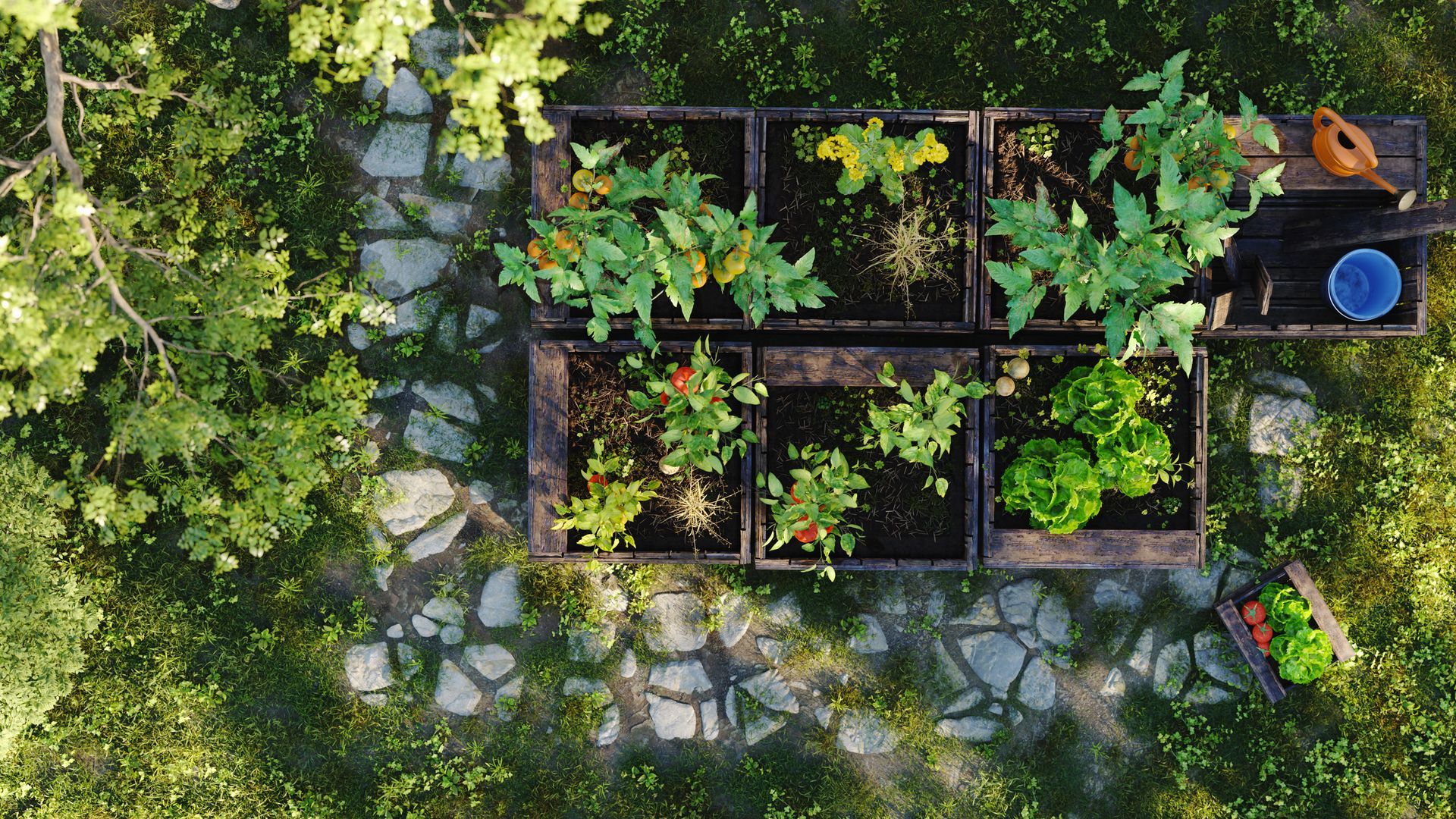
Building raised beds on a solid surface, such as an existing concrete patio or a dedicated gravel area, is an excellent alternative for homes with limited yard space. Container gardening on a sunny deck also keeps your edible plants completely isolated from the ground soil. These methods give you complete control over the soil quality, moisture levels, and plant health without risking contamination from household effluent.
By respecting the boundaries of your septic system, you ensure that your homegrown vegetables remain safe for your family to enjoy, while simultaneously protecting your property from a devastating plumbing failure.
Frequently Asked Questions
Can I build raised vegetable beds directly over my leach field?
No, building raised beds over your leach field is highly destructive to the system. A raised bed filled with saturated topsoil is incredibly heavy. This isolated weight compresses the natural soil below, which crushes the porous spaces needed for oxygen exchange and can even crack the buried PVC pipes.
Additionally, the physical structure of the raised bed blocks sunlight and wind from reaching the ground. Your drain field relies on this natural evaporation to help manage the daily water volume coming from your home. Covering the area guarantees the soil will remain overly saturated and prone to failure.
Are fruit trees safe to plant near a septic tank?
Fruit trees should never be planted near a septic tank or a drain field. Trees such as apple, cherry, peach, and pear possess aggressive, deep-reaching woody root systems. These roots actively seek out the constant supply of moisture and nutrients provided by your wastewater.
Once tree roots locate the concrete tank or the distribution pipes, they apply immense pressure to small cracks and pipe joints. They break through concrete baffles, shatter PVC pipes, and completely clog the leach field. All trees must be planted a minimum of thirty to fifty feet away from any septic component.
What happens if vegetable roots get into my septic pipes?
If the roots of thirsty vegetables like tomatoes or squash enter your septic pipes, they will rapidly expand inside the nutrient-rich environment. The roots form a dense, tangled mat that acts as a physical plug, stopping the flow of liquid effluent.
When the liquid cannot escape into the soil, the entire system backs up. You will likely experience slow-draining sinks, gurgling toilets, or raw sewage backing up into your basement. Removing the root intrusion requires professional excavation and expensive pipe replacement.
How far away should my vegetable garden be from the septic system?
As a general rule, you should locate your vegetable garden a minimum of ten to twenty feet away from the absolute edge of your leach field and septic tank. This setback distance accounts for the horizontal spread of typical garden plant roots.
Keeping the garden at a safe distance ensures that the extra water from your garden hose or sprinkler does not inadvertently flood the drain field. It guarantees that any soil splashed during a rainstorm remains completely free of bacterial contamination.
Can I eat vegetables that accidentally grew near my drain field?
If a vegetable plant, such as a rogue tomato or potato vine, naturally sprouts directly over or adjacent to your drain field, the safest action is to discard the produce. The soil in this active filtration zone contains high concentrations of coliform bacteria, viruses, and human pathogens.
Even if you plan to boil or thoroughly cook the vegetables, the risk of cross-contamination in your kitchen during the preparation and washing process is significant. It is never worth risking a severe gastrointestinal illness for a few accidental garden vegetables.
Conclusion
Maintaining a beautiful, functional yard in New Hampshire requires understanding the boundaries of your underground utilities. While the temptation to utilize open, sunny space is strong, planting a vegetable garden over septic leach field components introduces severe health hazards and threatens to destroy your expensive wastewater infrastructure. By dedicating your drain field to simple, shallow-rooted grasses and moving your food crops to a safe distance, you protect both your family's well-being and the mechanical longevity of your home.
For homeowners looking for additional information or professional support related to this topic, RCI Septic Service offers septic-related services and resources. Learn more at https://www.rciseptic.com/.