
Why You Should Never Route Your Basement Sump Pump into Your Septic Tank
Living in Southern New Hampshire means navigating the inevitable spring thaw. As the snow melts and heavy seasonal rains arrive, many homeowners face the reality of groundwater seeping into their lower levels. When managing a flooded basement, installing a dedicated pump is the standard defense to keep your home dry and safe. However, deciding exactly where that pumped water goes is a critical choice that affects your entire property.
A common, yet disastrous, mistake is routing the sump pump discharging into septic tank lines. While piping the water into a nearby utility sink or basement floor drain might seem like a convenient drainage solution, pumping clear groundwater into your wastewater system destroys the biological balance of your tank and physically ruins your leach field.
This guide explains the exact mechanical and biological reasons why these two systems must remain completely separate. We will cover the specific dangers of overwhelming your wastewater infrastructure, the local regulations governing these connections, and the proper ways to redirect groundwater away from your home safely.
The Mechanics of a Flooded Basement and Septic Systems
To understand why a sump pump and a wastewater system cannot share the same pipes, we first need to look at how your underground infrastructure is engineered. A septic tank is carefully sized based on the number of bedrooms in your home. This size calculation
determines your anticipated daily water usage from routine activities such as showers, dishwasher use, and toilet flushing.
When this standard household wastewater enters the concrete tank buried in your yard, it needs adequate time to settle. The heavy organic solids sink to the bottom, forming a layer of sludge. The lighter materials, including fats, oils, and greases, float to the surface, forming a layer of scum. This natural separation is the tank's core function.
This settling process requires a specific retention time The water must sit undisturbed long enough for the solids to separate before the relatively clear liquid in the middle, known as effluent, is slowly pushed out into your leach field. For a deeper look at this delicate separation process, we recommend reviewing how septic tanks function.
A sump pump operates on a completely different mechanical principle. It is designed to move massive volumes of water out of a confined space as rapidly as possible. A standard residential sump pump can easily move hundreds, or even thousands, of gallons of water per hour. When dealing with a flooded basement and septic systems, introducing that sudden, violent surge of groundwater into a tank designed for slow, steady household use creates an immediate crisis.
The Danger of Hydraulic Overload
The primary threat of a sump pump discharging into septic tank components is a severe mechanical failure known as hydraulic overload. When hundreds of gallons of groundwater blast into the concrete tank from the basement, it violently churns the resting contents. The carefully separated layers of sludge and scum are instantly mixed back into the liquid effluent, creating a turbulent slurry of raw sewage.
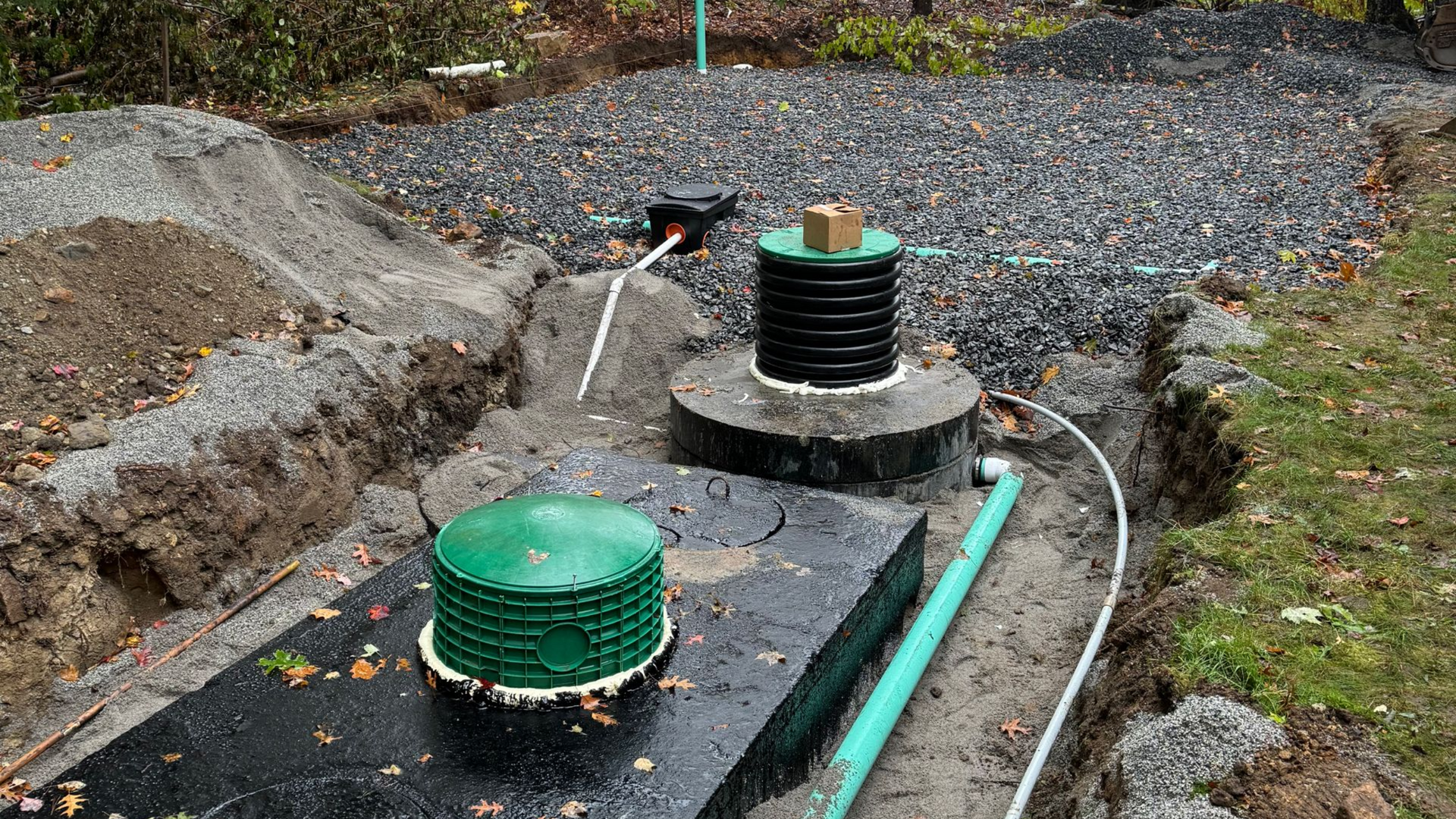
Because the tank is receiving water much faster than the leach field can naturally absorb it, the system experiences a hydraulic overload septic event. The rapid flow pushes the agitated, untreated solids straight out of the tank, past the protective outlet baffles. From there, the raw sludge flows into the distribution box, which then forces the solid waste directly into the perforated pipes of your leach field.
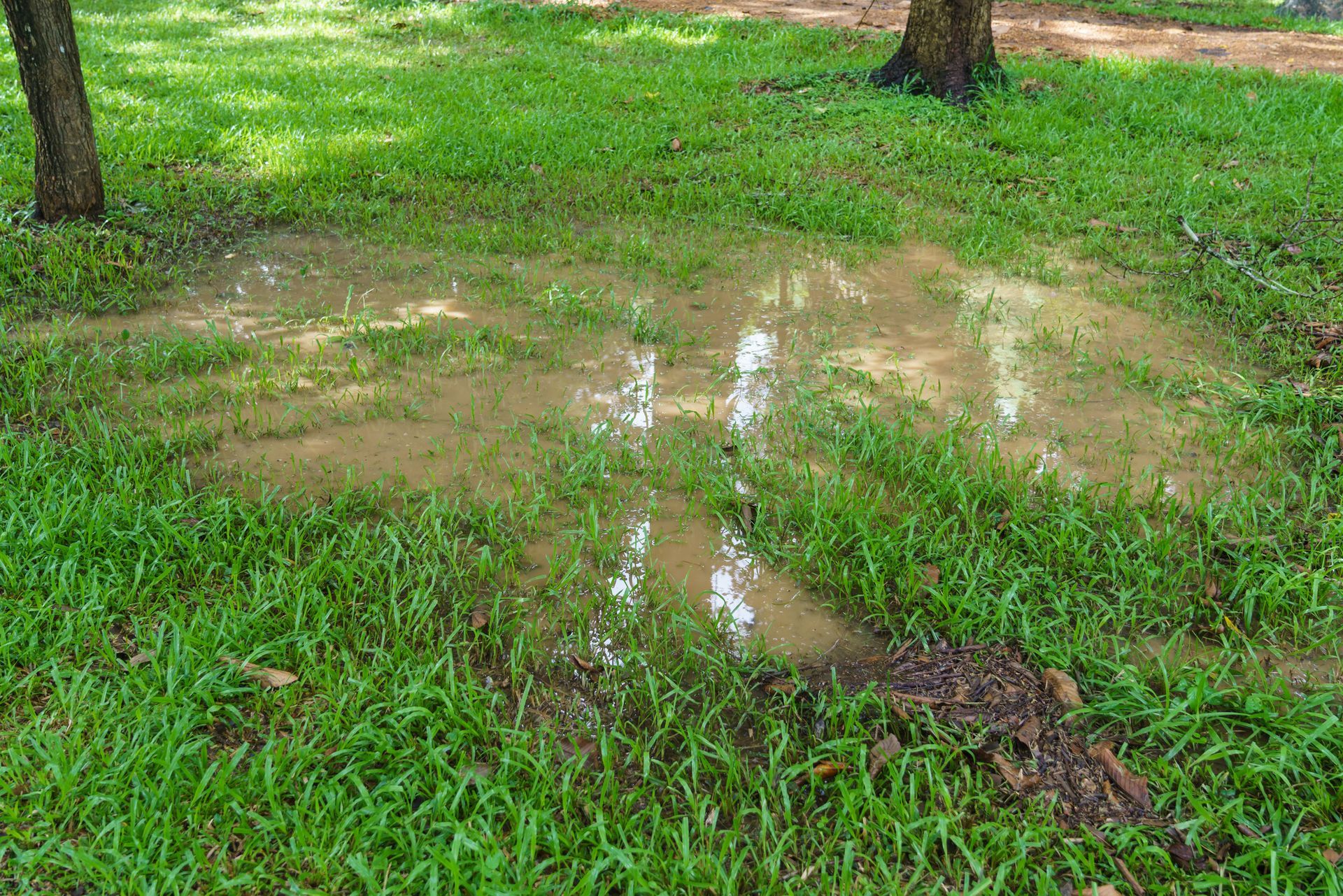
Your leach field relies on clean, porous soil to absorb and naturally filter liquid effluent. When raw sludge and solid waste are forced into those tiny soil pores, they create a thick, waterproof biological layer called a biomat. Once the soil is permanently sealed by this sludge, it can no longer absorb any liquid. The effluent will either back up into your home's lower plumbing fixtures or surface as foul-smelling, hazardous puddles in your yard. Discovering the warning signs of this happening early is crucial, you can read about them in drain field failure signs
Understanding Sump Pump Plumbing Rules NH and Illegal Connections
Beyond the severe physical damage to your property, piping clean groundwater into a wastewater system is against environmental regulations. According to sump pump plumbing rules NH, all perimeter drains, roof gutters, and basement water mitigation systems must be discharged elsewhere.
The New Hampshire Department of Environmental Services (NHDES) strictly classifies these setups as illegal septic connections. Septic systems are highly regulated and designed exclusively to treat biologically contaminated wastewater generated by human living. Introducing clean groundwater, rainwater, or surface runoff into a subsurface disposal system violates both state building and environmental health codes.
If an illegal connection is discovered during a real estate inspection, or if a town health officer responds to a surfacing sewage complaint, the homeowner is legally responsible for immediate remediation. Furthermore, if the massive influx of water has already pushed sludge into the yard and destroyed the leach field, the resulting septic-system-repair-and-replacement will cost tens of thousands of dollars. This is a massive financial burden resulting from a completely avoidable plumbing mistake.
Proper Ways to Handle Basement Flooding Safely
Since routing your basement water into your household drains is not a legal or safe option, you must create a dedicated exterior discharge plan. The goal is to move the groundwater far enough away from your foundation that it does not simply seep back into the basement walls, while also keeping it entirely away from your sensitive septic components.
The discharge pipe should be routed directly through the exterior wall or rim joist of the basement. Once outside, the pipe should be directed to a lower elevation on your property. Ideally, the water should discharge a minimum of twenty feet away from the home's foundation. It is equally critical to visually verify that this discharged water does not pool over your septic tank or run across the surface of your leach field. Surface saturation from above can restrict oxygen flow to the soil bacteria, causing your wastewater system to fail just as quickly as an internal overload.
In areas of Londonderry and Southern New Hampshire with exceptionally flat yards, high water tables, or heavy clay soil that drains poorly, a simple surface discharge may not be enough. In these situations, installing a dedicated dry well is often necessary. A dry well is a separate underground structure filled with crushed stone that collects the clean sump pump water. It allows the groundwater to safely and slowly percolate back into the earth, completely independent of your household wastewater infrastructure.
Frequently Asked Questions
Why does my sump pump overwhelm the septic tank if my family uses a lot of water anyway?
Your family uses water gradually throughout the day. A long shower or a few loads of laundry introduce water at a manageable pace, allowing the tank to separate the solids from the liquid. A sump pump introduces an massive, concentrated volume of water in a matter of minutes. This violent surge creates turbulence, stirring up the resting sludge and pushing solid waste into the delicate leach field before it has time to separate.
Can I temporarily run my sump pump into the utility sink during a severe storm?
No, you should never run a sump pump into a utility sink, floor drain, or toilet, even temporarily. A single severe storm can cause a pump to run continuously for hours, discharging thousands of gallons of water. This single event is more than enough to completely hydraulically overload your system, flush the beneficial bacteria out of the tank, and permanently clog the soil pores in your leach field with raw sludge.
How do I know if my sump pump is illegally connected to my septic lines?
You can trace the PVC discharge pipe extending from your sump pump pit. If that pipe ties directly into the thick, main cast iron or PVC sewer stack that leads out to your yard, it is illegally connected to your septic system. A correct and legal setup will feature a dedicated pipe that runs entirely separate from your household plumbing, exiting directly through the exterior foundation wall to the outside.
Will pumping my septic tank fix a hydraulically overloaded leach field?
Pumping the tank will temporarily empty the concrete receptacle, giving your household drains a brief place to empty. However, it will not fix a ruined leach field. If the massive volume of water from a sump pump has already pushed thick sludge out of the tank and sealed the underground soil pores, the leach field is permanently compromised. The only solution for a sealed leach field is physical excavation and replacement.
What is the minimum safe distance between a sump pump discharge and a leach field?
While local town ordinances vary, the general rule is to keep all surface water runoff and sump pump discharge at least 20 to 50 feet away from any part of your septic system. You must ensure the ground slopes away from the leach field area. Flooding the surface above your drain field prevents oxygen from reaching the soil bacteria, which stops the natural wastewater treatment process and causes system failure.
Conclusion
Keeping your basement dry during the New Hampshire spring thaw is essential for protecting your home's foundation and interior. However, solving a groundwater problem by creating a wastewater disaster is a costly misstep. A sump pump discharging into septic tank lines guarantees an overwhelmed system, severe biological disruption, and eventual leach field failure. By ensuring your basement mitigation systems discharge safely outdoors and away from your underground infrastructure, you protect the health of your yard and save yourself from devastating replacement costs.
For homeowners looking for additional information or professional support related to this topic, RCI Septic Service offers septic-related services and resources. Learn more at https://www.rciseptic.com/.