
Why is the Grass So Green Over My Septic Tank? Understanding Green Grass Over Septic Leach Field
As a homeowner in Londonderry or the surrounding Southern New Hampshire towns, you take pride in your yard. Maintaining a healthy lawn requires effort, so discovering a patch of incredibly vibrant, rapidly growing grass might initially seem like a success. However, if that patch is located exactly over your wastewater system, it often prompts a sudden sense of panic.
Noticing green grass over septic leach field components is a very common experience for homeowners. The immediate question is always whether this bright green stripe is just a harmless side effect of underground moisture or a warning sign of a catastrophic leak. Understanding the difference between normal system operation and a critical failure saves you from unnecessary anxiety and helps you take action before severe property damage occurs.
The Biology Behind the Lush Grass Over Septic Tank
To understand why the grass changes color, we first need to look at what is happening beneath the soil. Your septic system is designed to manage household wastewater through a carefully balanced biological process. All the water from your sinks, showers, and toilets flows into the concrete septic tank buried in your yard.
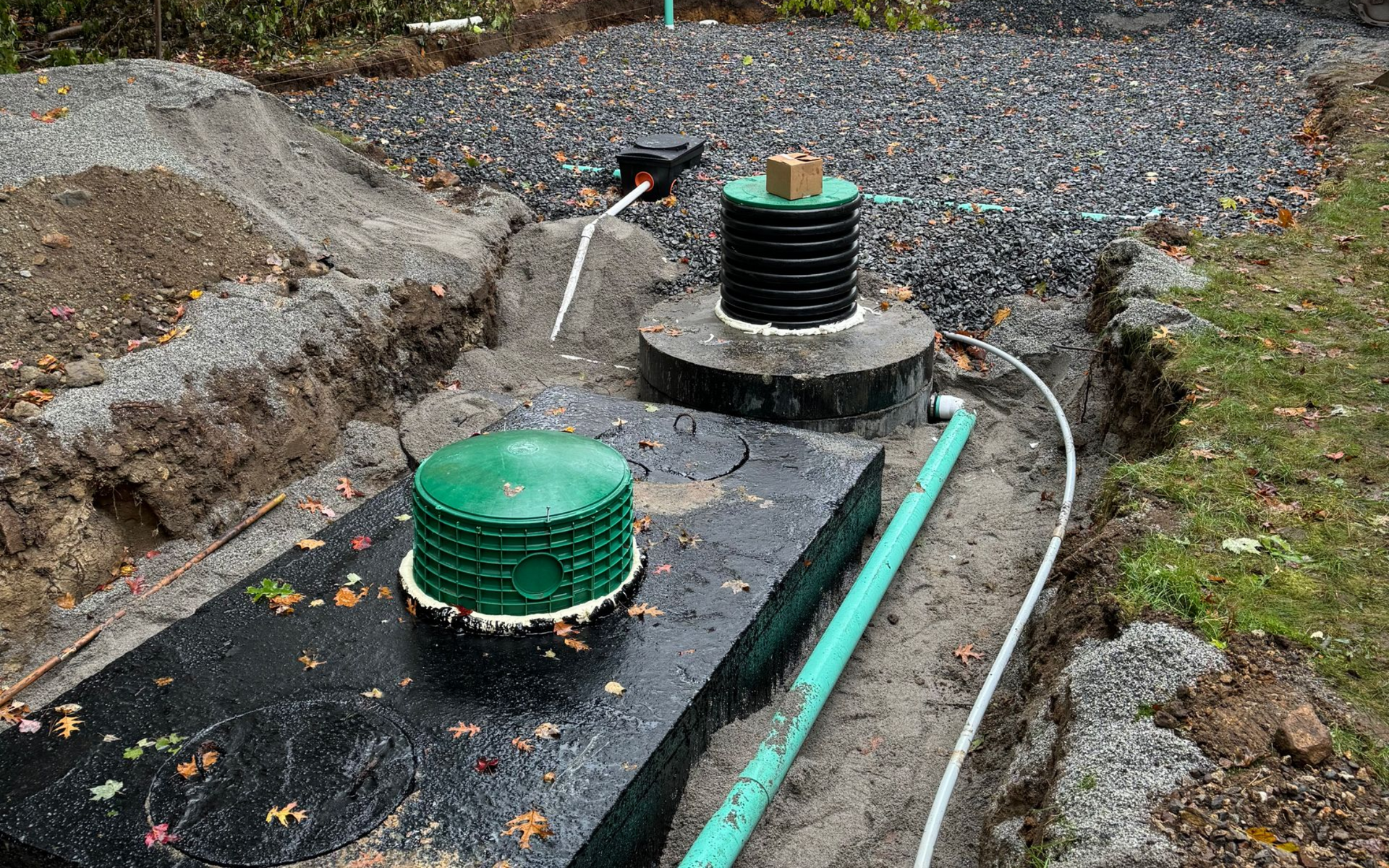
Inside the tank, solid waste settles to the bottom as sludge, while fats and oils float to the top as scum. The relatively clear liquid in the middle, known as effluent, flows out of the tank and into the distribution box. From there, it is directed into the perforated pipes of your leach field, where it slowly percolates into the surrounding soil.
This effluent is essentially water rich in nitrogen and phosphorus. These are the exact same chemical compounds found in commercial lawn fertilizers. When this nutrient-dense moisture enters the soil, the roots of the grass above naturally absorb it. This constant supply of water and nutrients frequently results in lush grass over septic tank areas and along the trench lines of the leach field. In many cases, a slight difference in grass color or growth rate is a normal physical reaction to the subterranean moisture.

How New Hampshire Seasons Impact Your Leach Field Appearance
Living in Southern New Hampshire means navigating extreme seasonal changes. These weather patterns directly influence how the grass over your septic system behaves, which can sometimes create false alarms for homeowners. During the spring thaw, the ground becomes naturally saturated from melting snow and heavy seasonal rains.
During this spring period, the water table in your yard naturally rises. The soil has a harder time absorbing the daily effluent from your septic tank because it is already fighting the environmental moisture. You may see the grass over the leach field green up significantly faster than the rest of the yard simply because that area is receiving warm water from the house while the surrounding ground is still cold. If the ground is slightly soft during April, it is often a combination of spring runoff and normal septic function.
However, during the dry weeks of late July and August, the visual clues become much more reliable. If your entire lawn is turning brown and dormant from a lack of rain, but perfect, vibrant stripes of green grass remain over the leach field, you have clear confirmation of exactly where your underground pipes run. As long as the ground is firm and dry during the summer heat, this visual contrast is completely normal and indicates a healthy, functioning system.
Is It Normal, Or Are These Signs of Failing Drain Field?
While some variation in your lawn is expected, there is a clear distinction between a well-fed lawn and a failing wastewater system. The key to evaluating the situation lies in looking at the entire context of the yard rather than just the color of the grass blades.
If the grass is slightly greener but the ground remains firm and dry to the touch, your system is functioning correctly. The soil is simply doing its job by filtering the effluent, and the grass is safely utilizing the available nutrients deep underground. However, if that rapid growth is accompanied by changes in the soil's texture, you must pay closer attention.
When the soil above the leach field becomes noticeably spongy, soggy, or uneven, the situation has shifted. These physical changes are early signs of failing drain field mechanics. It indicates that the soil below can no longer absorb the daily volume of wastewater exiting your home. Instead of draining downward into the earth, the effluent is being pushed upward toward the surface. When you step on the grass and water seeps around your shoes, the system is no longer treating the waste safely.
If you are unsure of what to look for visually, you can review our guide, “How to Tell If Drain Field Is Failing,” to identify the specific warning signals before a minor issue becomes an emergency.

When the Green Grass Means Trouble: Sewage Surfacing in Yard
The most severe progression of this issue occurs when the ground reaches complete saturation. Over time, an excessive buildup of solids escaping from the septic tank can clog the tiny pores in the soil of the leach field. This causes a thick, slimy biological layer called biomat to form, which acts like a waterproof barrier underground.
When the biomat grows too thick, the water has nowhere to go but up. This results in sewage surfacing in yard areas, which is a definitive system failure. You will likely notice a distinct, foul odor lingering in the air, similar to rotten eggs or sulfur. The vibrant green grass will sit in shallow puddles of dark, untreated wastewater.
This scenario is an immediate health and environmental hazard. Untreated sewage on the surface of your lawn can contaminate local groundwater and expose your family and pets to harmful bacteria. At this stage, the problem will not resolve itself by simply using less water inside the house. The biological and physical structure of the leach field has broken down, requiring professional intervention to diagnose the exact cause of the hydraulic failure.
Next Steps: Troubleshooting and Septic Inspection NH
If you are concerned about a particularly bright patch of grass, there are a few diagnostic steps you can take. Start by checking your recent water usage. If you have recently hosted a large gathering, done several loads of laundry in a single day, or emptied a large volume of water from a hot tub, the system may simply be temporarily overloaded. Give the yard a few days of normal water usage to see if the ground naturally dries out.
Next, check your maintenance records. A standard residential septic tank requires regular pumping to remove the accumulated solids. If it has been over three years since your last service, the sludge level inside the tank may be too high. This reduces the retention time of the water, pushing solids into the leach field and causing the excessive fertilization and moisture you see on the surface. Booking a routine septic cleanout is the first step in restoring the balance of the system.
If the ground remains wet, smells foul, or the toilets inside your home begin to drain slowly, it is time to call for a professional evaluation. An official septic inspection NH involves checking the fluid levels inside the tank, evaluating the condition of the inlet and outlet baffles, and running a hydraulic load test on the leach field. We can determine exactly where the failure is occurring and provide a clear plan to repair the compromised components. You can learn more about how frequently to schedule these septic system inspections.
Preventative Care to Protect Your Yard
The best way to prevent the dreaded soggy yard is to be proactive about your wastewater system's health. Your septic system is a significant financial investment, and treating it with care ensures it will last for decades.
Always stagger your heavy water usage. Spread your laundry loads throughout the week rather than doing them all on a Saturday. This prevents sudden hydraulic surges that overwhelm the tank and flood the drain field. Additionally, be mindful of what you flush down the drains. Grease, oil, harsh chemical cleaners, and non-biodegradable items can disrupt the bacterial balance and cause rapid clogging of the soil.
We encourage homeowners to walk their yard periodically. Familiarize yourself with how the grass looks over the tank and the leach field during different seasons. When you know what your normal baseline looks like, it becomes much easier to spot an abnormal patch of extreme growth or unexpected moisture before it turns into a total system failure.
Frequently Asked Questions
Why is the grass over my septic tank growing faster than the rest of the lawn?
The effluent that leaves your septic tank and enters your leach field is rich in nitrogen and phosphorus. These are the same nutrients found in commercial lawn fertilizers. The grass roots naturally absorb this nutrient-dense moisture, causing the grass directly over the system to grow faster, thicker, and greener than the surrounding lawn.
Does green grass always mean my septic system is failing?
No, green grass does not automatically indicate a failure. If the grass is green and vibrant, but the soil underneath remains firm and dry, your system is likely functioning exactly as designed. The soil is filtering the water deep underground, and the grass is simply benefiting from the moisture.
Can I mow the tall grass over my leach field?
Yes, you should continue to mow the grass over your leach field. Keeping the grass cut encourages a healthy root system, which helps absorb the moisture from the soil. However, never drive a heavy riding lawnmower over a wet or spongy leach field, as the weight can compact the soil and physically crush the underground pipes.
What should I do if the ground over my septic tank is wet and squishy?
If the ground is visibly wet, spongy, or smells like sewage, stop using large amounts of water in the house immediately. This indicates that the system is hydraulically overloaded and the soil cannot absorb any more liquid. You need to call a professional to evaluate the tank and the field to determine if it is a temporary overload or a permanent biomat failure.
How often should I pump my tank to prevent my leach field from failing?
For an average-sized household in New Hampshire, you should pump your septic tank every two to three years. Pumping removes the inorganic solids and sludge from the bottom of the tank. If you delay pumping, those solids will eventually flow out of the tank and clog the soil pores in your leach field, leading directly to a costly system failure.
Conclusion
A healthy lawn and a healthy wastewater system can coexist peacefully on your property. By understanding the normal biological processes of your system, you can easily distinguish between harmless green grass over septic leach field areas and the genuine warning signs of a failing system. Staying observant of your yard's condition and maintaining a strict pumping schedule ensures that your system continues to safely treat wastewater and protect your property for years to come.
For homeowners looking for additional information or professional support related to this topic, RCI Septic Service offers septic-related services and resources. Learn more at https://www.rciseptic.com/.