What Happens if Your Septic System Fails a Real Estate Inspection in NH?
Buying or selling a home in Southern New Hampshire involves numerous steps, but few create as much anxiety as the septic inspection. If you are a homeowner preparing to close, hearing that your property has a failed septic inspection in NH can feel like the entire transaction is coming to a halt. We understand the stress this causes. A failing system often means thousands of dollars are suddenly on the line, and the timeline for closing is instantly at risk.
However, a failed report is not the end of the sale. It is simply a pivot point. A failed inspection requires immediate, methodical steps to evaluate the damage, secure professional estimates, and adjust the closing strategy. This guide explains exactly what a failure means, the legal and financial steps you must take next, and how to keep your real estate transaction moving forward.
The Role of the Inspector vs. The Installer
When navigating a failed inspection, it is crucial to understand the different roles professionals play in the process. During a home sale, the buyer typically hires a licensed septic inspector. This inspector is an objective third party. Their only job is to evaluate the current condition of the system, run a load test, and report on whether the system is functioning properly at that exact moment. They do not fix the system, and they usually do not provide estimates for replacement.
Once the inspector issues a failing report, the homeowner must transition to working with a licensed septic installer. The installer reviews the inspection report, visits the property, and determines the physical solution. We step in at this stage to provide the actionable plan. The installer provides the specific cost estimates for repair or replacement that the buyer and seller need to renegotiate the contract.

What Constitutes a "Failed" Inspection?
When a licensed inspector evaluates a septic system, they look at the concrete tank, the internal baffles, the distribution box, and the leach field. A system "fails" when it can no longer safely treat and dispose of household wastewater.
This failure usually falls into one of two distinct categories. The first is a mechanical or component failure. This might involve a cracked concrete lid, a deteriorated outlet baffle, or a crushed PVC pipe between the tank and the distribution box. These are localized, physical issues. While the system technically failed the inspection, the fix is often a straightforward, isolated repair that leaves the rest of the system intact.
The second, and more serious, category is a hydraulic failure of the leach field. This occurs when the soil in the yard can no longer absorb liquid effluent. This happens due to a thick buildup of a bacterial slime layer called biomat, or severe tree root intrusion clogging the underground pipes. If the inspector finds standing water over the leach field or sewage flowing backward from the field into the septic tank during a volume test, the field has failed. This scenario requires a total system replacement.
Why Systems Often Fail During Real Estate Transitions
It is common for homeowners to be surprised by a failing grade, especially if they have not noticed any backups inside the house. A septic system can operate in a state of partial failure for months or even years without causing visible symptoms in the sinks or toilets.
A compromised leach field might handle the daily showers of a single homeowner just fine, but it will quickly back up and fail when subjected to the strict volume requirements of an official state load test.
Immediate Steps for the Seller
If you are the seller and receive a failed report, your first step is to read the inspector's notes carefully to understand the exact nature of the failure.
Next, you need a professional assessment. We recommend having a licensed installer review the inspection report and assess the yard. They will verify the findings and provide a detailed estimate for either repairing the broken components or replacing the entire system.
If a total replacement is required, the state of New Hampshire mandates that a licensed septic designer draft a new blueprint. This plan must be submitted to and approved by the New Hampshire Department of Environmental Services (NHDES) Subsurface Bureau before any construction begins. Securing an estimate from an installer and hiring a designer immediately is critical for keeping the buyer at the negotiating table, as it shows you are actively managing the problem.

Immediate Steps for the Buyer Facing a Failed Septic Inspection in NH
If you are the buyer, a failed septic inspection in NH means you have a significant negotiating tool, but it also introduces a mandatory delay. Your mortgage lender will likely not approve the loan if the home has a failed wastewater system unless a clear, funded remediation plan is in place.
You have a few options. You can walk away from the purchase entirely, utilizing your inspection contingency to protect your deposit. Alternatively, you can ask the seller to replace the system prior to the closing date. If the seller agrees, you will want to ensure they hire a reputable, licensed installer to perform the work strictly to state code.
The most common path involves renegotiating the sale to include an escrow holdback. This allows the sale to proceed, the mortgage to be funded, and the buyer to move in while the physical septic issue is resolved at a later date.
Understanding Escrow Holdbacks
In New Hampshire, real estate transactions do not always align with ideal construction weather. If a septic system fails inspection in late December, the ground may be frozen solid, making an immediate replacement physically impossible until the spring thaw.
To save the sale, the buyer, seller, and lender can agree to an escrow holdback. In this arrangement, the estimated cost of the septic replacement is held back from the seller's proceeds at the closing table. Lenders typically require a contingency buffer—often 1.5 times the estimated quote—to cover any unforeseen overages. The money sits in a secure escrow account managed by a title company or real estate attorney.
The buyer takes possession of the home. Once the weather permits or the installer’s schedule opens up, the chosen septic company completes the replacement. After the local health officer and the state complete their final inspections and approve the new system, the installer is paid directly from the escrow account, and any remaining funds are released back to the seller.
Navigating the Repair vs. Replacement Timeline
Understanding the timeline is essential for keeping a real estate contract intact. If the issue is a minor repair, such as replacing a distribution box, the work can often be completed in a single day without requiring state design approval. The closing might only be delayed by a week.
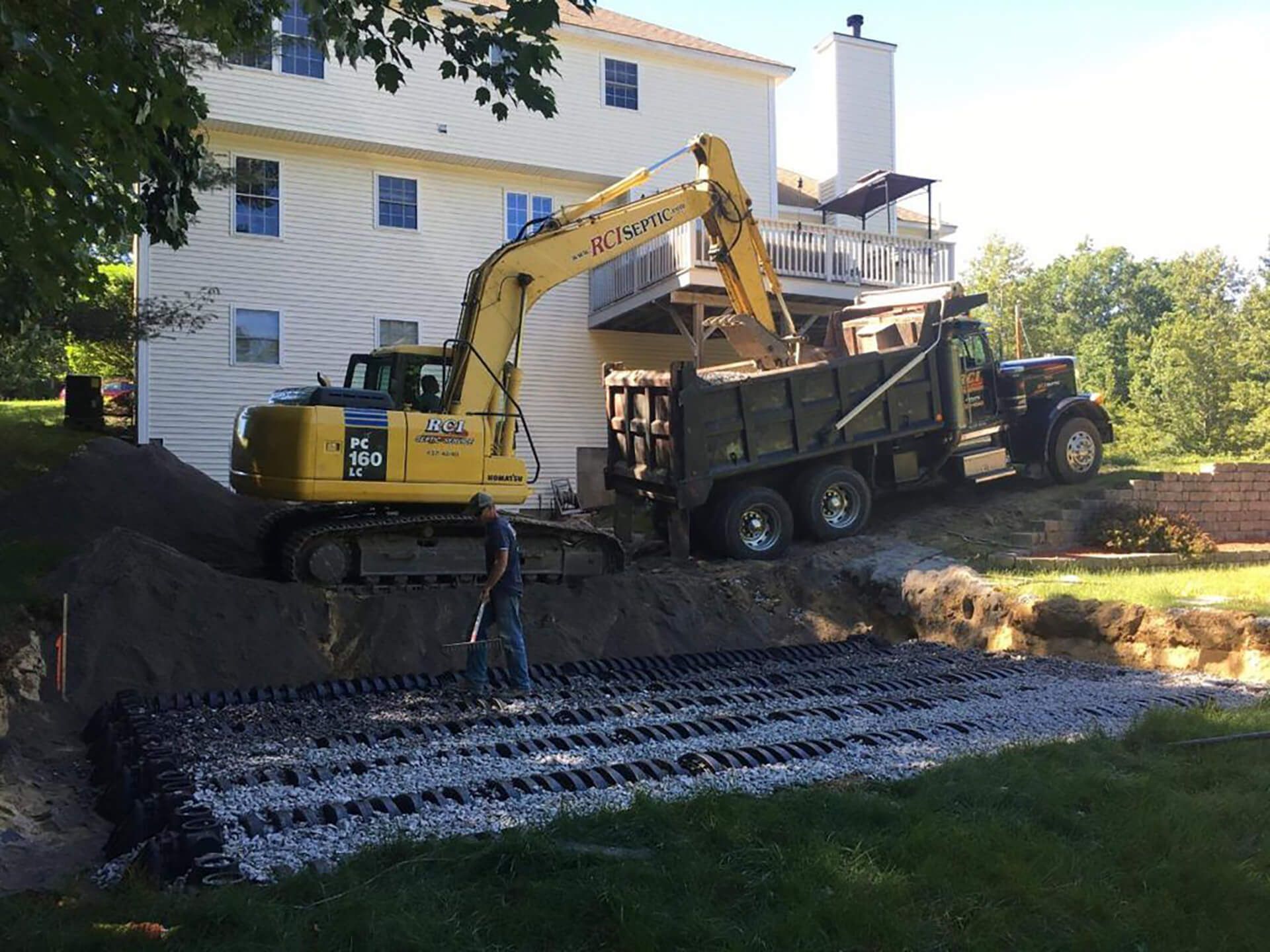
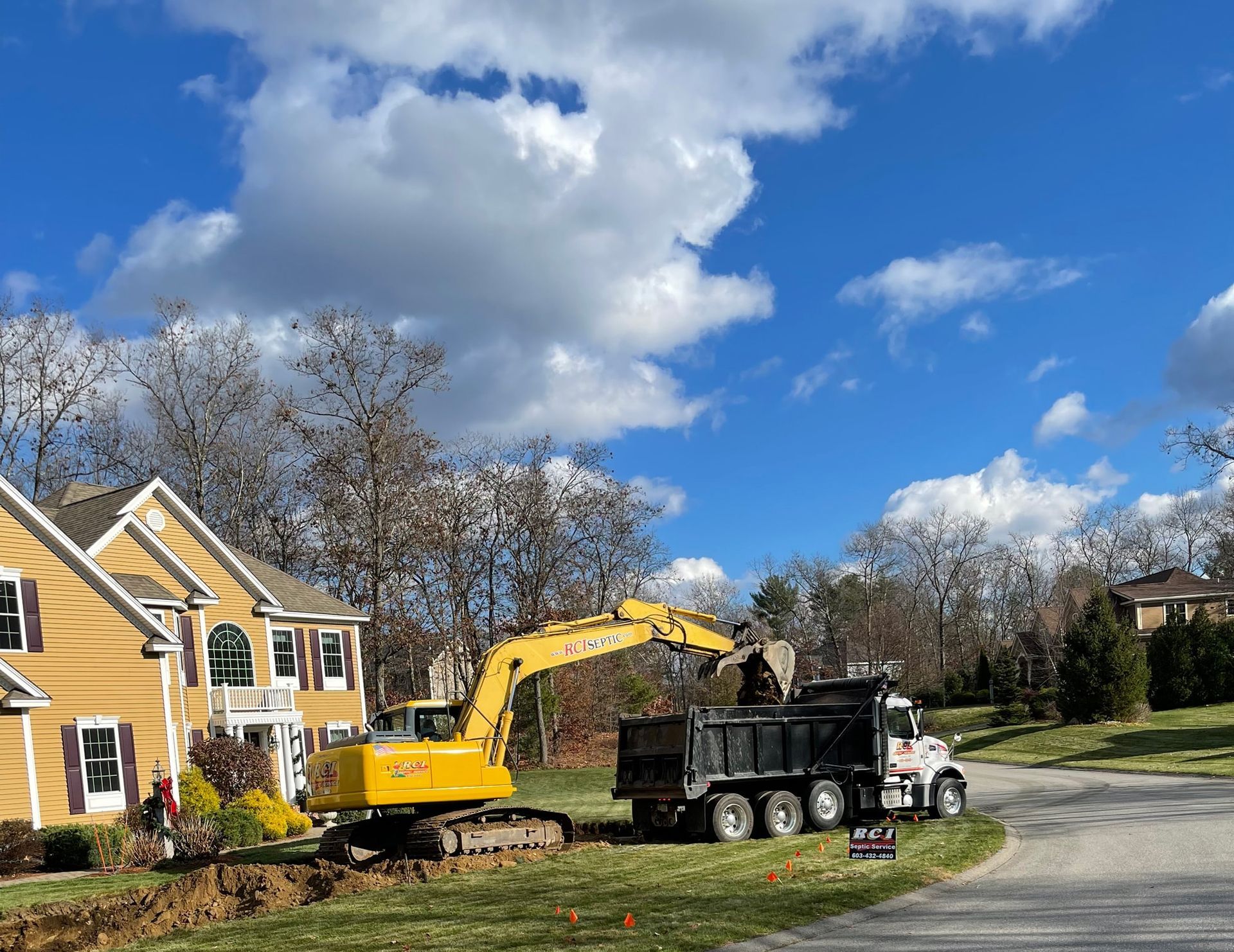
A total system replacement requires a much longer runway. First, an excavator must dig a test pit in the yard so the septic designer can evaluate the soil composition and locate the seasonal high water table. Then, the designer drafts the specific engineering plan and submits it to NHDES. State approval can take several weeks, depending on the season and the state's administrative backlog.
Once the state approves the design, the physical installation itself can take up to two weeks. However, coordinating the test pit, the designer, the state approval, and the installer's schedule can easily take four to six weeks. Clear communication between the real estate agents, the buyer, the seller, and the septic company is the only way to keep the transaction alive during this waiting period.
Frequently Asked Questions
Does a failed septic inspection mean I cannot sell my house?
No, a failed inspection does not mean you cannot sell your property. It simply indicates that the wastewater issue must be addressed before or during the sale process. Sellers typically resolve this by paying to repair or replace the system prior to closing, or by agreeing to an escrow holdback where funds are set aside to pay for the replacement after the property changes hands.
Can a septic system be replaced during the winter in New Hampshire?
Winter installations are sometimes possible, but they depend entirely on the severity of the weather and the specific soil conditions. If the ground is deeply frozen or covered in heavy snow, digging a test pit and properly compacting the soil for a new leach field becomes extremely difficult. In these cases, the installation is usually delayed until spring, and the real estate transaction utilizes an escrow holdback.
Who pays for the new septic system, the buyer or the seller?
While every aspect of a real estate contract is negotiable, the seller is typically responsible for delivering a home with a functioning wastewater system. In most New Hampshire transactions, the seller pays for the replacement out of the proceeds of the home sale. Occasionally, a buyer might agree to take on the cost in exchange for a significantly reduced purchase price, but mortgage lenders often flag this approach.
What happens if the state regulations have changed since my original septic system was installed?
If your system fails and requires a total replacement, the new infrastructure must meet current New Hampshire Department of Environmental Services (NHDES) regulations. Older homes may have systems that are undersized or located too close to property lines by modern standards. A licensed designer will engineer a modern system that fits your property and complies with all current environmental codes.
How long does it take to get a new septic design approved by the state?
The timeline for NHDES approval varies based on the time of year and the volume of applications the state is processing. Generally, once a licensed designer submits the new septic plan, the state review takes anywhere from two to six weeks. It is highly recommended to factor this administrative timeline into your real estate closing schedule to avoid missed deadlines.
Conclusion
A failed septic inspection in NH is certainly a hurdle, but it is a manageable one when approached systematically. By understanding the mechanical severity of the failure, securing professional estimates quickly, and utilizing financial tools like escrow holdbacks, both buyers and sellers can navigate the situation successfully. Whether the property requires a targeted repair or a complete system replacement, acting promptly and working alongside experienced local professionals ensures that your real estate transaction can cross the finish line safely.
For homeowners looking for additional information or professional support related to this topic, RCI Septic Service offers septic-related services and resources. Learn more at https://www.rciseptic.com/.