Laundry Detergents, Bleach, and Your Septic Tank: Selecting Septic Safe Laundry Detergent for Home Systems
Understanding how household cleaning products interact with your underground wastewater system is essential for maintaining a healthy home in Southern New Hampshire. Unlike municipal sewer systems that rely on centralized treatment facilities, your home septic setup relies on natural biological processes. Living micro-organisms inside your tank break down household waste continuously.
Every drop of water and chemical soap from your washing machine or bathroom sink travels directly into your septic tank. Selecting a septic safe laundry detergent and understanding how household chemicals affect beneficial bacteria protects your leach field, prevents premature sludging, and saves you from costly emergency repairs. Whether you live in Londonderry or a neighboring community, small adjustments to your daily laundry routine ensure your septic system functions reliably.
How Beneficial Bacteria Drive Your Septic System
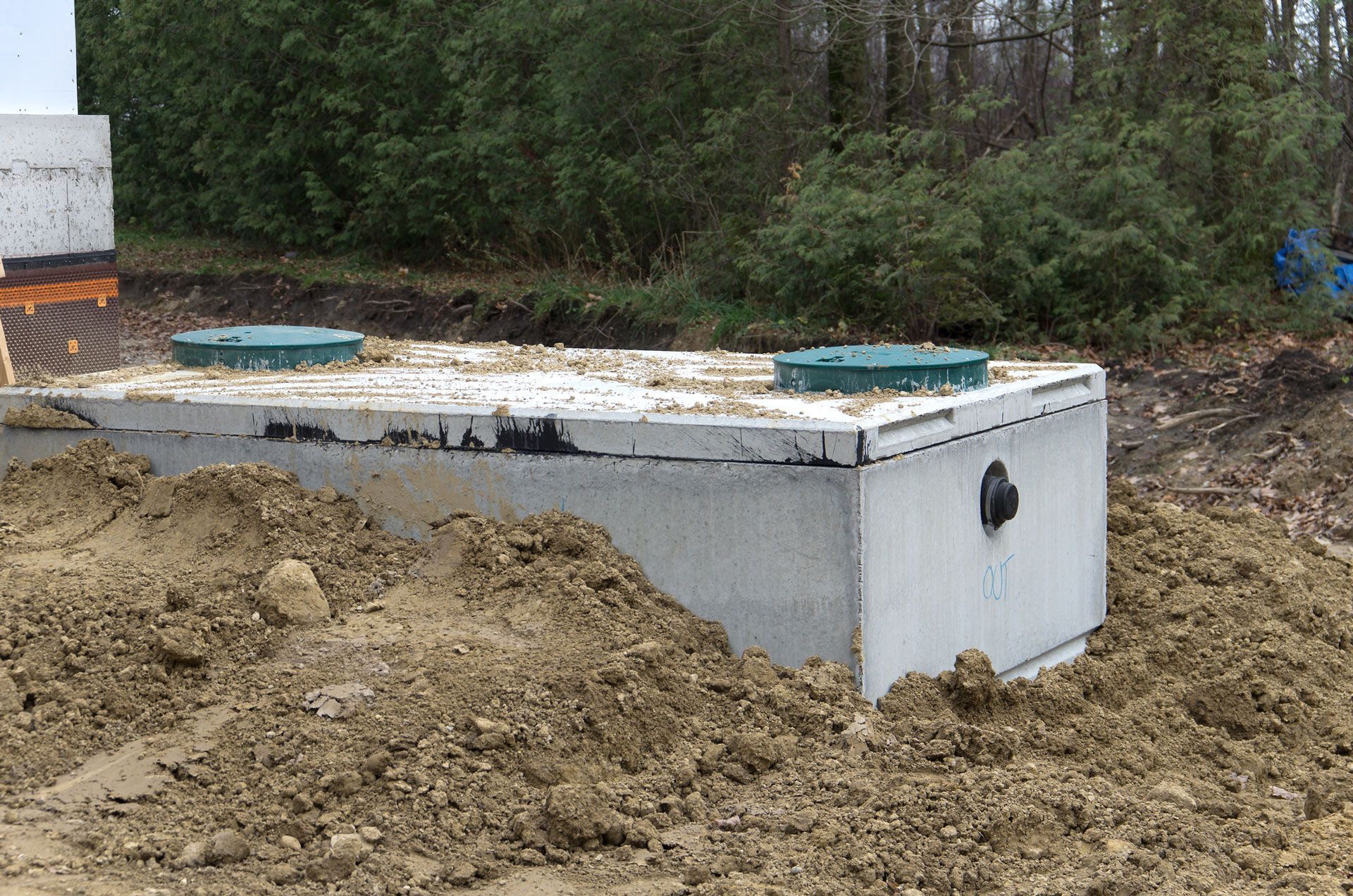
Inside your concrete or polyethylene septic tank, a complex ecosystem of anaerobic bacteria performs the essential work of wastewater treatment. When household wastewater enters the tank, organic solids settle to the bottom to form a sludge layer, while fats, oils, and grease float to the top as scum. The liquid layer in the middle, known as effluent, flows out toward your leach field for soil filtration.
Anaerobic bacteria feed on organic matter in the sludge and scum layers. This biological digestion breaks down solid waste into liquid effluent and gas, significantly reducing solid accumulation. Without these living micro-organisms, solid waste would rapidly fill the tank, pass through the outlet baffle, and clog the stone channels in your leach field.
When harsh household chemicals enter the tank, they act as antimicrobial agents. High concentrations of toxic cleaners strip away healthy bacterial colonies, slowing or halting waste decomposition. As a result, solids build up at an accelerated rate, leading to odors, sluggish drains, and system failure.
Choosing a Septic Safe Laundry Detergent: Liquid vs. Powder Formulations
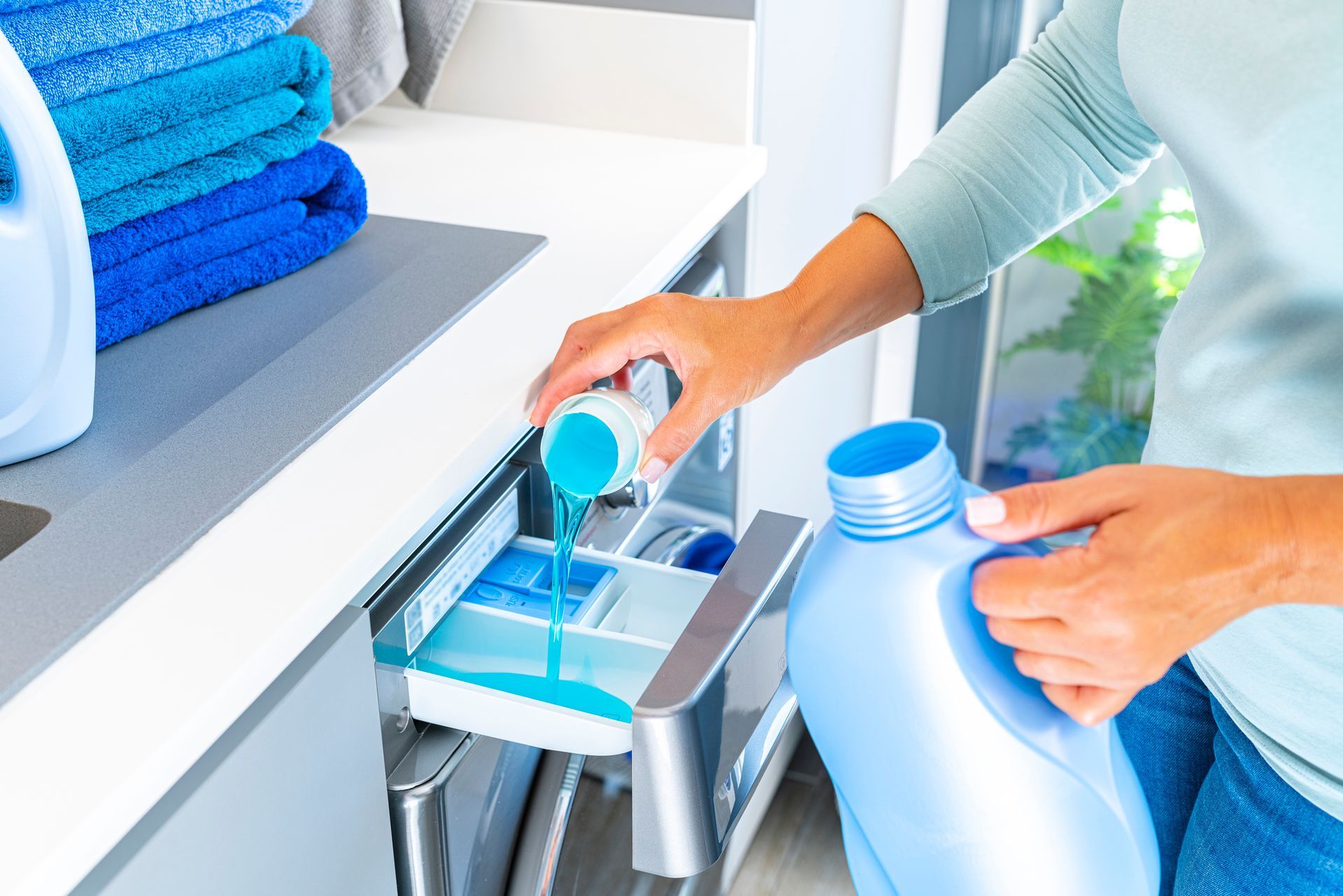
Laundry soap is one of the highest-volume products entering your wastewater system. The average household runs hundreds of laundry loads each year, making soap selection critical to system longevity. Selecting a septic safe laundry detergent requires looking beyond marketing labels and examining actual chemical ingredients and soap form.
Liquid detergents are generally far better for septic systems than traditional powder detergents. Powdered laundry soaps rely on filler ingredients, such as sodium sulfate or fine clays, to keep powder dry in the box. In cold water washing cycles, which are common during New England winters, these powders often fail to dissolve completely. Undissolved fillers settle in your septic tank, binding with grease to create thick sludge that resists bacterial breakdown.
Liquid soaps dissolve instantly in cold or warm water, dispersing evenly without leaving solid residues behind. When shopping for septic friendly cleaning products, look for liquid formulas labeled as biodegradable, plant-based, low-foaming, and dye-free. Avoid detergents containing high levels of synthetic fragrances, optical brighteners, and phosphates. Phosphates pass through the tank and overload groundwater, while synthetic brighteners add unnecessary chemical load without improving cleaning performance.
Bleach and Disinfectants: Does Bleach Kill Septic Tank Bacteria?
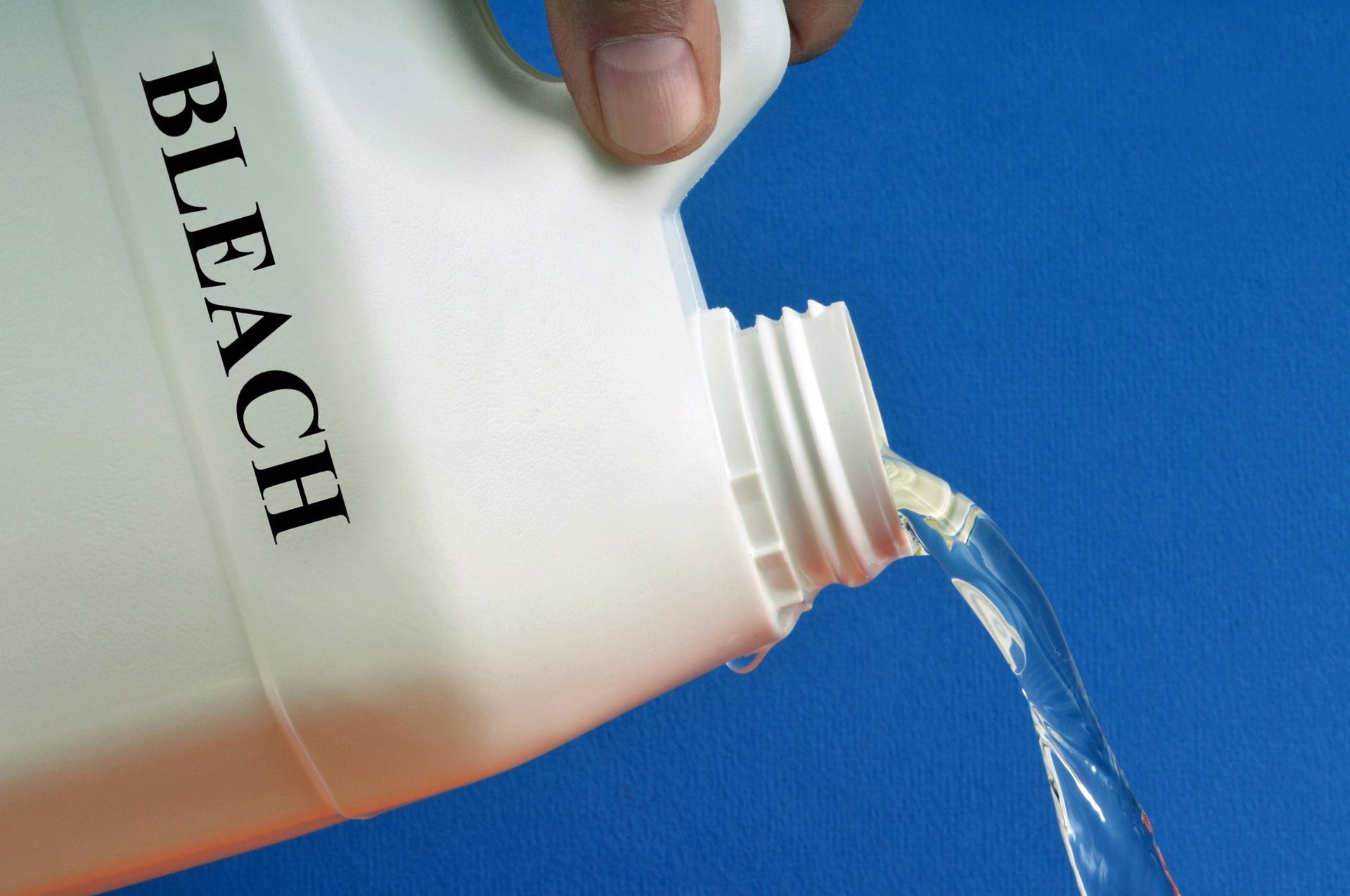
Chlorine bleach is an effective sanitizing agent, but its strength makes it a threat to septic health. A frequent question among local homeowners is: does bleach kill septic tank bacteria? The answer depends on dosage, frequency, and dilution.
A moderate amount of chlorine bleach, such as half a cup used occasionally for a white load, will dilute sufficiently within a typical 1,000-gallon to 1,500-gallon septic tank without causing lasting biological harm. The vast volume of water in the tank neutralizes small amounts of chlorine before it can decimate the bacterial population.
However, routine overuse of bleach or concentrated sanitizers disrupts the tank's biological balance. Pouring undiluted bleach down drains, using automatic toilet bowl tablets with continuous chlorine release, or dumping heavy disinfectant water into plumbing destroys active bacterial colonies.
When bleach kills off these beneficial microbes, biological waste breakdown halts. Unprocessed solids remain suspended in effluent water and travel into the distribution box, risking severe soil compaction in the leach field. For broader guidance on items that should never enter plumbing, review our guide on 8 household items to avoid.
Laundry Cycles, Water Volume, and High-Efficiency Washer Septic Systems
Chemical composition is only half of the laundry equation; water volume and washing frequency play an equally important role. Running multiple laundry loads back-to-back on a single day creates hydraulic overload inside your septic tank.
When hundreds of gallons of water rush into the septic tank over a few short hours, the surge creates internal turbulence. This agitation stirs up settled sludge and floating scum layers, pushing suspended solid waste out through the effluent pipe before bacteria process it. Spreading laundry across the week allows the tank to maintain a calm, steady flow, giving solids time to settle naturally.
Investing in a high efficiency washer septic system provides substantial protection for your wastewater setup. High-efficiency (HE) machines use up to 50 percent less water per load compared to older top-load agitator models. By reducing total water discharge, HE washers prevent hydraulic surges and keep detergent concentrations balanced. When using an HE washer, choose low-foaming soap to prevent excessive suds from building up in the tank. For complete advice on protecting your home setup, read our resource on septic system care and maintenance in New Hampshire.

How to Restore Septic Bacteria After Chemical Shock
If your household recently used excessive cleaning chemicals or dumped harsh solvents down the drain, your septic tank may experience chemical shock. Recognizing early warning signs of a dying bacterial population allows you to take corrective action before a backup occurs.
Common symptoms of chemical shock include persistent sewage odors around drains, sluggish toilet flushing, and fast buildup of scum in the tank. When bacteria die off, organic waste ferments without breaking down properly, generating gases that escape through home vent pipes.
If you suspect chemical damage, the first step in how to restore septic bacteria is removing the source of chemical stress. Stop using chlorine bleach, harsh drain openers, and synthetic disinfectants immediately. In most cases, a healthy septic tank naturally recovers its bacterial population within a few weeks from organic waste and water introduced by normal household activity.
Avoid buying commercial enzyme starters or chemical septic additives sold in stores. Many contain harsh degreasers or temporary enzymes that liquefy solids without digesting them, causing grease to flood into the leach field. If chemical shock has allowed solids to accumulate heavily, schedule a professional septic clean out to clear accumulated sludge and give your tank a fresh start.
Frequently Asked Questions
Are liquid laundry detergents better for septic systems than powder detergents?
Yes, liquid laundry detergents are significantly safer for septic systems than powder formulations. Powdered soaps often contain filler ingredients like sodium sulfate or fine clays that fail to dissolve completely in cold water. Over time, these undissolved powders settle at the bottom of the septic tank, binding with grease to form a dense sludge that resists natural bacterial digestion. Liquid detergents dissolve instantly and disperse evenly without leaving heavy solid residues behind.
Can using disinfectant sprays or bleach ruin my drain field?
Occasional, moderate use of bleach or disinfectant sprays will not ruin your drain field because the large volume of water in your septic tank neutralizes small chemical doses. However, chronic overuse of chlorine bleach or heavy disinfectants kills the beneficial anaerobic bacteria inside the tank. When bacteria die, solid waste fails to decompose and passes into the leach field, clogging soil pores and causing expensive drain field failure.
How often can I run laundry loads without stressing my septic tank?
To protect your septic tank from hydraulic overload, spread laundry loads evenly throughout the week rather than doing five or six loads in a single day. Running multiple loads back-to-back floods the tank with high volumes of surge water, stirring up settled sludge and pushing unprocessed solids out into your leach field. Aim for no more than one or two loads per day.
Will store-bought septic tank additives restore dead bacteria?
No, store-bought chemical or enzyme additives are generally unnecessary and can harm your system. Most commercial additives rely on strong solvents or temporary enzymes that break down solid sludge into a liquid form without digesting it, allowing grease and floating solids to escape into the leach field. A septic tank naturally restores its bacterial population through daily human waste inputs once harsh chemicals are discontinued.
What ingredients should I avoid when buying cleaning products for a septic house?
When shopping for septic friendly cleaning products, avoid items containing chlorine bleach, ammonia, synthetic fragrances, phosphates, petroleum distillates, and quaternary ammonium compounds. Instead, choose cleaning products labeled as biodegradable, non-toxic, plant-based, and phosphate-free. Natural ingredients like white vinegar, baking soda, and citrus-based cleaners effectively sanitize your home without harming tank bacteria.
Conclusion: Protecting Your Septic Investment Through Smart Laundry Habits
Maintaining a healthy, long-lasting septic system does not require sacrificing a clean home or fresh laundry. By selecting a high-quality septic safe laundry detergent, choosing liquid soap over undissolved powders, and spreading laundry loads across the week, you protect the living micro-organisms that keep your system operating smoothly. Mindful chemical use prevents unnecessary sludge accumulation, shields your leach field from soil compaction, and saves your household money in avoidable system repairs.
For homeowners looking for additional information or professional support related to this topic, RCI Septic Service offers comprehensive septic care, pumping, and maintenance resources. Learn more at https://www.rciseptic.com/.