Can You Use an Indoor Septic Pump to Turn a Basement Closet into a Half-Bath?
If you live in Londonderry or one of our neighboring Southern New Hampshire communities, maximizing your home's square footage is a smart way to add value and comfort. As families grow, unfinished basements often become prime candidates for remodeling. Whether you are building a playroom, a home office, or a cozy den, having a nearby bathroom is incredibly convenient.
It is very common for homeowners to look at an underutilized basement closet and wonder if they can convert it into a simple half-bath containing just a toilet and a sink. However, standard household plumbing relies entirely on gravity to pull wastewater downward. Since basement floors sit below your home's main sewer line, getting wastewater up and out to your septic tank requires specialized equipment.
Planning a basement half bath septic system is highly achievable, but it requires a solid understanding of indoor pump mechanics, New Hampshire building codes, and your existing tank's capacity. This educational guide will explain how indoor septic pumps work, how adding a bathroom impacts your septic system, and the essential regulatory rules you must follow.
Gravity vs. Pressure: The Mechanics of Basement Plumbing
In a standard New Hampshire home, your main drain pipe exits the foundation several feet underground, usually running through the basement wall. All the plumbing fixtures on your first and second floors sit well above this exit point. When you flush a toilet or drain a sink on the upper levels, gravity easily carries the waste downward through your vertical drain stacks and out into your yard's concrete tank.
When you install a bathroom in a basement, the fixtures sit below this main exit pipe. Gravity can no longer do the work. To solve this physical limitation, you must install an indoor pump system to collect the waste and lift it vertically—often four to eight feet—so it can join your home's gravity-fed sewer line and exit the house.
For a traditional installation, this is accomplished by installing a sewer ejector pump that basement NH homeowners typically rely on. This setup requires cutting into your concrete basement floor to excavate a small pit, where a sealed basin is installed. All the drains from your basement toilet and sink flow downward into this basin. Inside the basin, a heavy-duty submersible sewage pump uses a float switch to detect when the water level rises. Once triggered, the pump grinds the waste and forces it upward through a pressurized pipe into your main sewer line.
The Upflush Toilet Alternative: No Concrete Cutting Required
While a traditional sewer ejector pump is incredibly reliable, excavating a pit in a concrete basement floor is a dusty, labor-intensive, and expensive process. Fortunately, modern plumbing offers a less invasive alternative: a macerating or "upflush" toilet system.
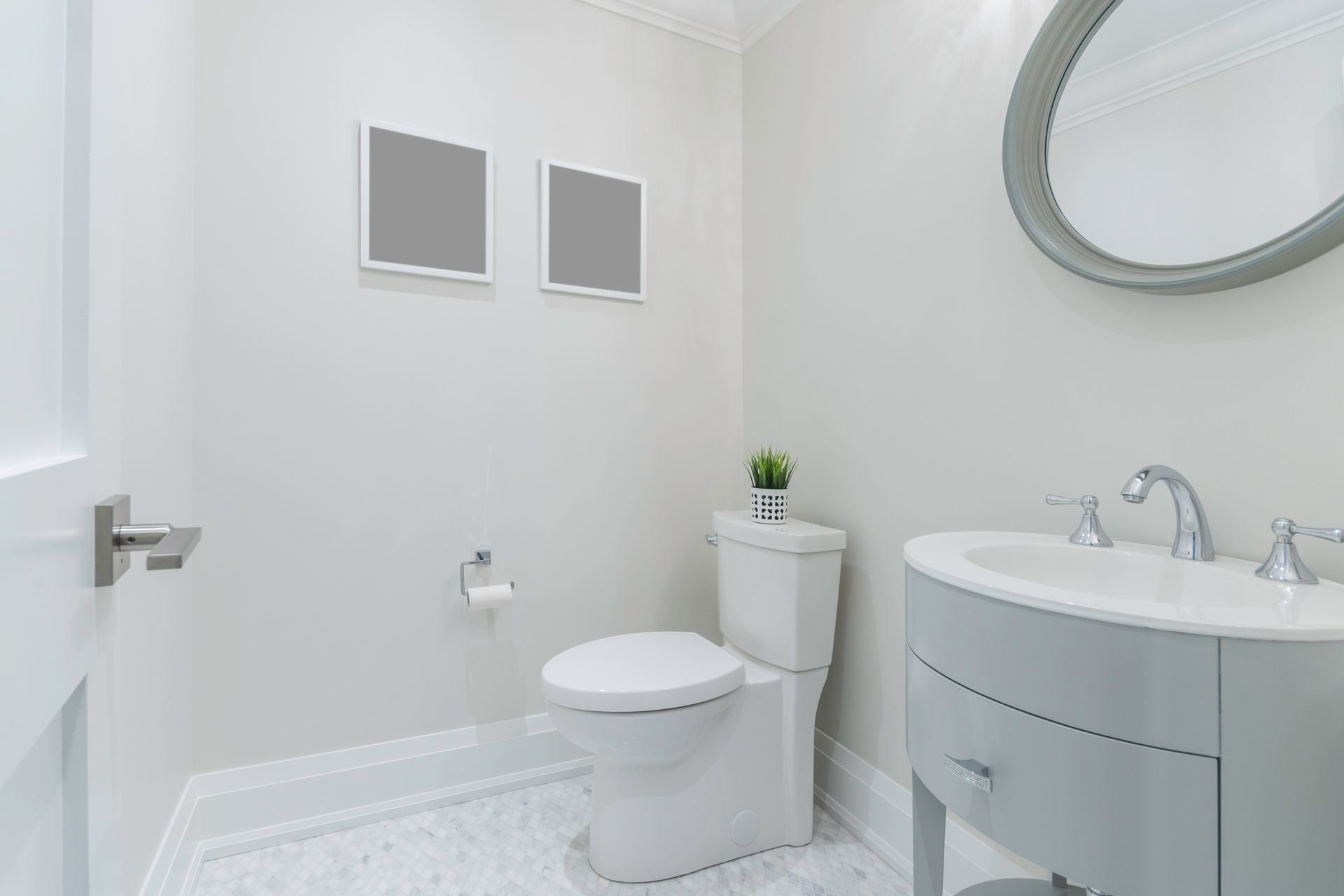
Installing an upflush toilet on septic system infrastructure is an increasingly popular option for simple closet-to-bathroom conversions. Instead of requiring a buried sump basin, an upflush system sits entirely above the concrete floor. The toilet looks very similar to a standard fixture, but it features a sealed macerator box positioned directly behind the bowl.
When you flush, the waste enters the macerator box, where high-speed steel blades pulverize the organic waste and toilet paper into a fine slurry. A small, built-in pressure pump then forces this liquid upward through a narrow, one-inch PVC pipe that runs along your basement wall or ceiling, eventually tying into your home's main drain. Most upflush systems also feature side inlets, allowing you to easily drain a nearby sink into the same pump box. This makes it incredibly easy to build a complete half-bath without ever breaking ground.
Adding Bathroom to Septic Load: Managing Capacity
Beyond the physical challenge of moving waste upward, you must consider the biological and hydraulic impact on your yard. Many homeowners mistakenly believe that their septic tank's capacity is determined by the total number of bathrooms in the house. In reality, under New Hampshire environmental regulations, a system's design flow is calculated based on the number of bedrooms, not bathrooms.
This design philosophy is based on occupancy. Adding a new bathroom does not automatically increase the number of people living in the house, meaning it does not necessarily increase your average daily water usage. However, adding a bathroom to septic load dynamics can still introduce hydraulic and mechanical challenges if your system is already operating near its physical limits.
Every time an indoor pump or an upflush toilet cycles, it sends a highly concentrated, pressurized burst of water and waste into your concrete tank. This pressurized flow can stir up the resting solids inside the tank. If your tank is overdue for maintenance and has a deep accumulation of bottom sludge, this turbulence can push solid waste out through the outlet pipe and into your delicate leach field. To prevent this, keeping your tank clean is essential. You can learn more about how your system processes waste by reading how your septic tank works.
Navigating Home Remodeling Septic Rules in NH
Before you purchase a pump or hire a contractor, you must navigate the legal requirements of your local municipality and the state. New Hampshire has strict regulations regarding property modifications, and ignoring these rules can lead to major headaches when you eventually try to sell your home.
Under home remodeling septic rules enforced by the New Hampshire Department of Environmental Services (NHDES) and local building inspectors, adding plumbing fixtures to a basement requires a building permit. The local building department will require proof that your existing septic system is functioning properly and can legally accommodate the addition.
If your current system was designed decades ago for a two-bedroom home, but you have since added extra living spaces, the state may require a professional evaluation of your leach field's size and soil absorption rate. Additionally, if an unpermitted bathroom is discovered during a real estate transfer inspection, you may be forced to completely remove the fixtures or pay for an emergency system upgrade before the sale can close. Consulting with a professional to perform a thorough septic clean out and inspection before you begin remodeling is the smartest way to protect your investment.
Best Maintenance Practices for Basement Septic Pumps
Because basement bathrooms rely on mechanical pumps, they require a higher level of maintenance vigilance than standard gravity-fed plumbing. A pump failure in a basement can quickly result in a localized flood, damaging your newly finished walls and flooring.
To keep your basement half-bath operating smoothly, you must be incredibly strict about what goes down the drain. Because macerator blades and ejector impellers are mechanical parts, they are highly vulnerable to clogging. Flushing non-biodegradable items like paper towels, feminine hygiene products, or makeup wipes will instantly lock up the pump motor, causing the basin to overflow.
Ensure your family and guests understand that only toilet paper should ever be flushed. For a comprehensive list of what to keep out of your plumbing, review our guide on safeguarding your septic system the top 8 household items to avoid. Additionally, we highly recommend installing a high-water alarm on your pump basin. This alarm will sound a clear warning if the pump fails to cycle, giving you plenty of time to stop water usage before an overflow occurs. If your system does experience an emergency backup, securing immediate support for a professional septic system repair and replacement is essential to restore your home's drainage.
Frequently Asked Questions
Is an upflush toilet safe to use with a residential septic system?
Yes, upflush or macerating toilet systems are completely safe to use with a residential septic system. The blades inside the macerator box grind human waste and toilet paper into a fine, watery slurry before pumping it out.
Because the waste is already pulverized, it actually decomposes very quickly once it reaches your concrete septic tank. However, you must ensure that no harsh chemical cleansers are poured into the system, as these chemicals can corrode the pump's rubber seals and kill the beneficial tank bacteria.
Do I need a permit to add a basement half-bath in New Hampshire?
Yes, you will need a building permit from your local town or city hall to add any new bathroom to your home. As part of the permitting process, the building inspector will verify that your plumbing plan meets the local building codes.
They will also cross-reference your property's original septic design to ensure that adding more plumbing fixtures does not violate NHDES regulations. Adding a bathroom without a permit can lead to code violations, fines, and severe complications during future real estate transactions.
What is the difference between a sump pump and a sewer ejector pump?
A sump pump and a sewer ejector pump are designed for completely different purposes and cannot be used interchangeably. A sump pump is designed solely to collect and remove clear groundwater that accumulates around your foundation, pumping it out onto your lawn.
A sewer ejector pump is specifically engineered to handle raw sewage and solid waste. It features a heavy-duty motor and a specialized impeller designed to pass solid materials without clogging, and it pumps the waste directly into your home's sanitary sewer line.
How long do basement sewer ejector pumps typically last?
A high-quality, professionally installed basement sewer ejector pump typically lasts between seven and ten years, depending on how frequently the basement bathroom is used.
To maximize the lifespan of your pump, ensure that only human waste and toilet paper are flushed down the toilet.
Additionally, having a professional inspect the pump's check valves and float switch during your routine septic maintenance is an excellent way to prevent unexpected mechanical failures.
Can I connect a basement shower to an upflush toilet system?
Many modern upflush toilet systems feature dedicated side inlets designed to accept greywater drains from nearby sinks, showers, or bathtubs. This allows you to build a complete three-quarter bathroom without cutting into your concrete floor.
However, you must verify the specific model's flow rate capacity before installation. A shower introduces water much faster than a sink, and the pump must be powerful enough to discharge the incoming water volume to prevent the macerator basin from backing up.
Conclusion
Turning an unused basement closet into a functional half-bath is a highly rewarding home improvement project that can significantly increase your property's utility. While gravity poses a physical challenge, installing a basement half bath septic system utilizing a reliable upflush toilet or a traditional sewer ejector pump is a proven, highly effective solution. By respecting local New Hampshire building codes, preventing foreign objects from entering the drains, and keeping your concrete tank properly maintained, you can successfully expand your living space while fully protecting the longevity of your home's wastewater infrastructure.
For homeowners looking for additional information or professional support related to this topic, RCI Septic Service offers septic-related services and resources. Learn more at https://www.rciseptic.com/.