Yeast, Baking Soda, and Enzymes: Do Septic Tank Additives Actually Work?
Many homeowners in Londonderry and Southern New Hampshire seek ways to cut household expenses. When managing a residential septic system, the appeal of a cheap, quick fix is strong. Some property owners flush kitchen staples like active yeast or baking soda, or purchase store-bought enzymes, hoping to bypass professional pumping. But do septic tank additives actually work, or are they simply an expensive myth?
This guide explores the biological mechanics of waste digestion, the reality behind common do-it-yourself (DIY) treatments, and official guidelines from New Hampshire environmental authorities. By understanding how your system naturally processes waste, you can protect your property from costly plumbing failures and make informed maintenance decisions.
The Biological Engine: How Your Septic Tank Naturally Digests Waste
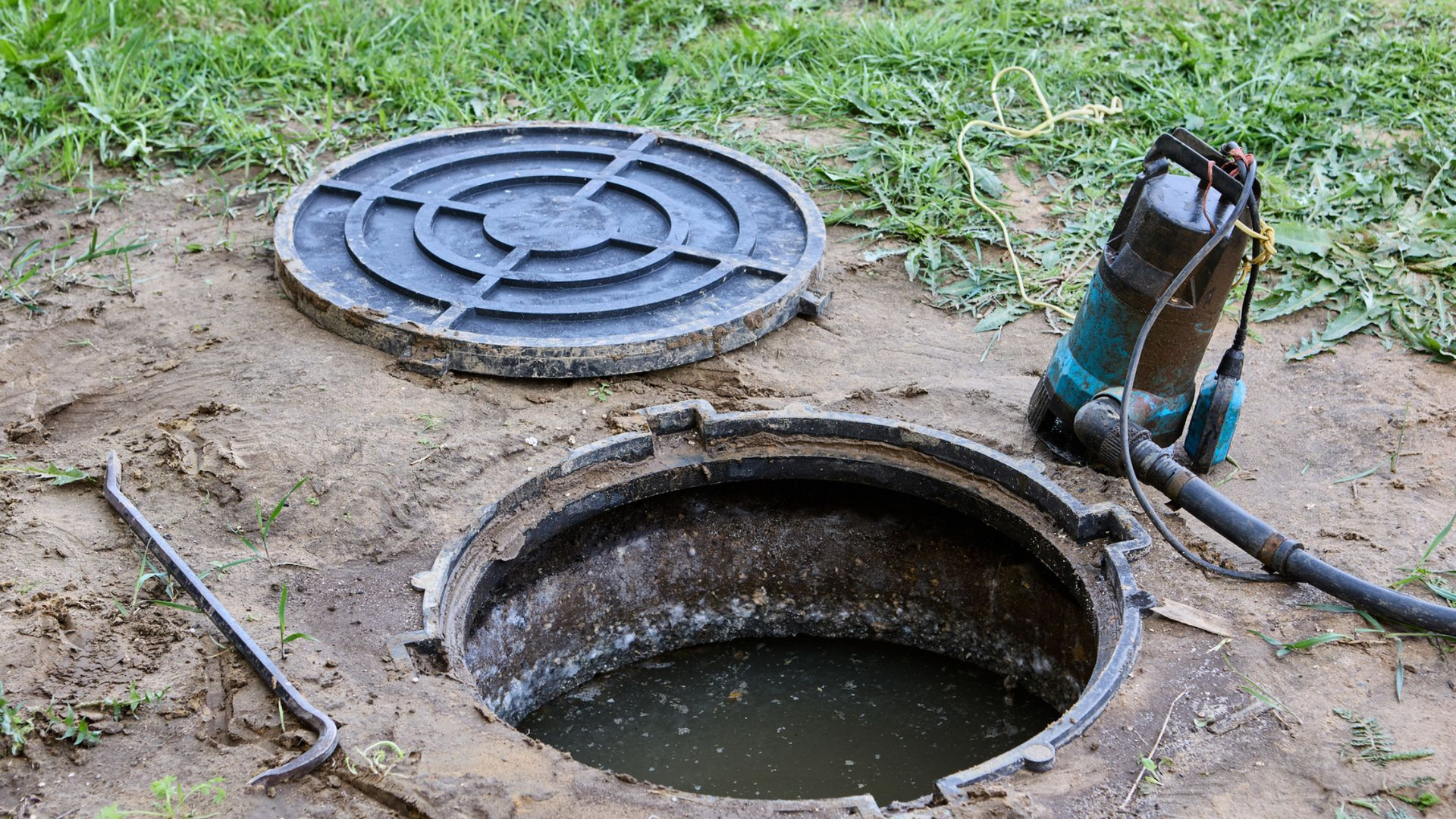
Your septic system is not a passive holding tank; it is an active underground biological reactor. Every flush or run of a faucet sends wastewater into a buried concrete tank where the physical design allows waste to naturally separate into three distinct layers.
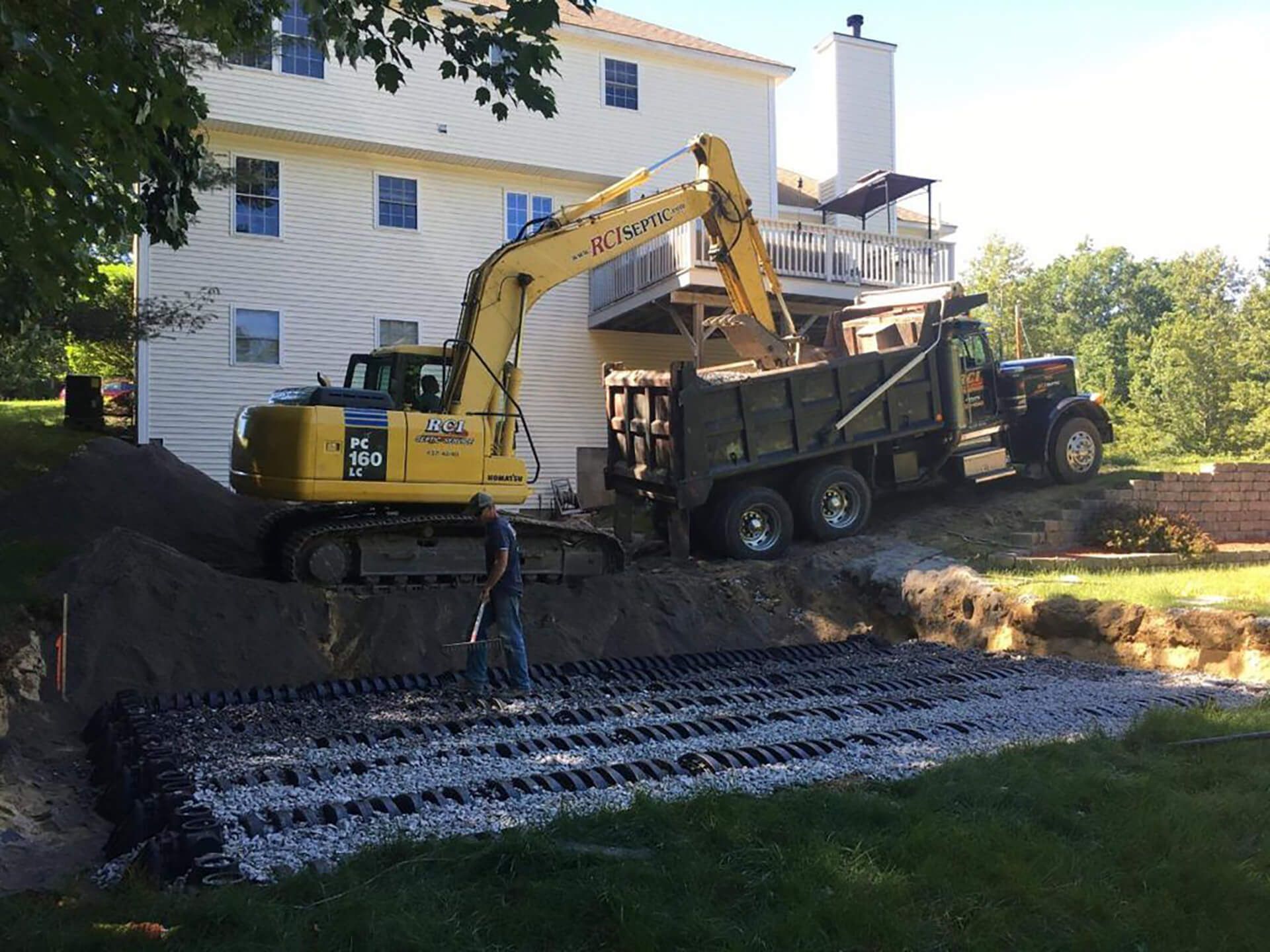
Heavy solids settle to the bottom as sludge, while fats and grease float to the surface to create a scum layer. In the middle sits the relatively clear liquid effluent, which eventually exits the tank and flows into your leach field for final soil purification. To understand this settling process, you can read more about how your septic tank works.
This process relies on billions of naturally occurring anaerobic bacteria. They do not need to be purchased; they are naturally present in human waste and introduced daily. They feed on sludge and scum to liquefy solid waste, reducing its volume naturally. This engine operates efficiently without external help, provided it is not disrupted by harsh chemicals or excess water.
Yeast and Baking Soda: Demystifying Common DIY Septic Treatments
The internet is filled with home remedies promising to keep systems healthy. The two most common are baker's yeast and active baking soda. While excellent for baking or cleaning, they are not designed to treat sewage.
Using a yeast in septic tank treatment assumes active yeast cultures speed up digestion. However, yeast is a fungus, not the anaerobic bacteria needed for sewage. It cannot digest complex proteins or fats. Furthermore, yeast ferments starches, producing carbon dioxide gas that violently agitates settled sludge. Solids become suspended and carried into your leach field, where they permanently clog soil pores.
Using a baking soda septic system treatment is often recommended to balance pH or eliminate odors. Baking soda (sodium bicarbonate) is a mild base and safe in very small quantities. However, dumping bulk boxes down the toilet is unnecessary.
Your tank's native bacteria require a stable, neutral pH range between 6.5 and 7.5 to survive. A massive influx of alkaline powder can shock the system, killing the beneficial bacterial colony. Odors typically indicate venting issues or a full tank, and masking them with baking soda does not solve the underlying mechanical problem.
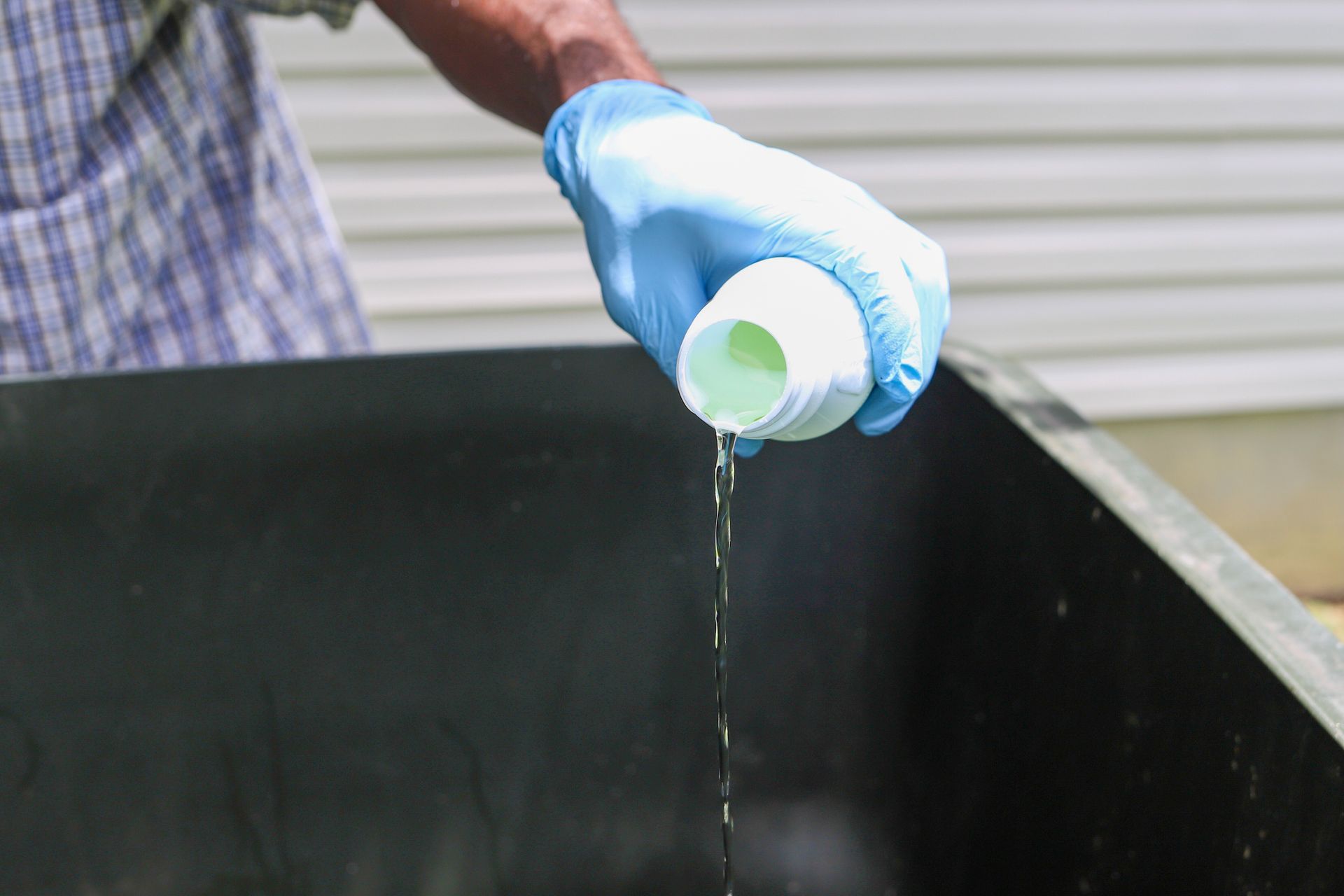
The Truth About Commercial Septic Enzymes: Do Septic Tank Additives Actually Work?
If household remedies are ineffective, many homeowners turn to commercial septic treatments found on store shelves. These products typically claim to liquefy sludge and eliminate the need for pumping. However, when analyzing whether these commercial septic enzymes actually work, the scientific consensus is clear: they do not improve system performance and can cause severe, permanent damage to your leach field.
Commercial additives generally fall into biological activators and chemical restorers. Biological treatments are harmless but completely redundant because your daily wastewater already introduces billions of native bacteria. Adding store-bought microbes provides no measurable benefit to an already functioning biological system.
Chemical additives are far more dangerous, often containing strong acids or solvents that decimate beneficial bacteria. Additionally, some chemicals act as surfactants, emulsifying grease and suspending solids. This allows solid waste to bypass the outlet baffles and flow directly into your leach field, permanently clogging soil pores. Knowing which household items to avoid flushing is far more effective than using chemical additives.
Understanding NHDES Septic Additive Guidelines
Because New Hampshire properties rely heavily on private well water, protecting groundwater from chemical contamination is a primary environmental priority. Under the NHDES septic additive guidelines, the state explicitly warns homeowners against the use of chemical additives. New Hampshire law prohibits the use of any septic treatment product containing chlorinated hydrocarbon solvents, such as trichloroethylene (TCE) or dichlorobenzene. These toxic chemicals do not break down in soil; instead, they leach directly into the groundwater, contaminating local drinking wells.
The state also notes that no additive has been proven to eliminate the need for pumping. Under New Hampshire rules, regular physical maintenance is the only legally recognized and scientifically proven method to prevent system failure. If an unapproved chemical additive is discovered during a real estate transaction or state inspection, the homeowner can face significant liabilities.
Safe DIY Septic Treatments and Best Maintenance Practices
Since store-bought chemicals and kitchen remedies are not the answer, what can a homeowner do to safely support their system? The truth is that the most effective and safe DIY septic treatments do not involve flushing anything extra down the drain. Instead, they require practicing proactive household water and waste management.
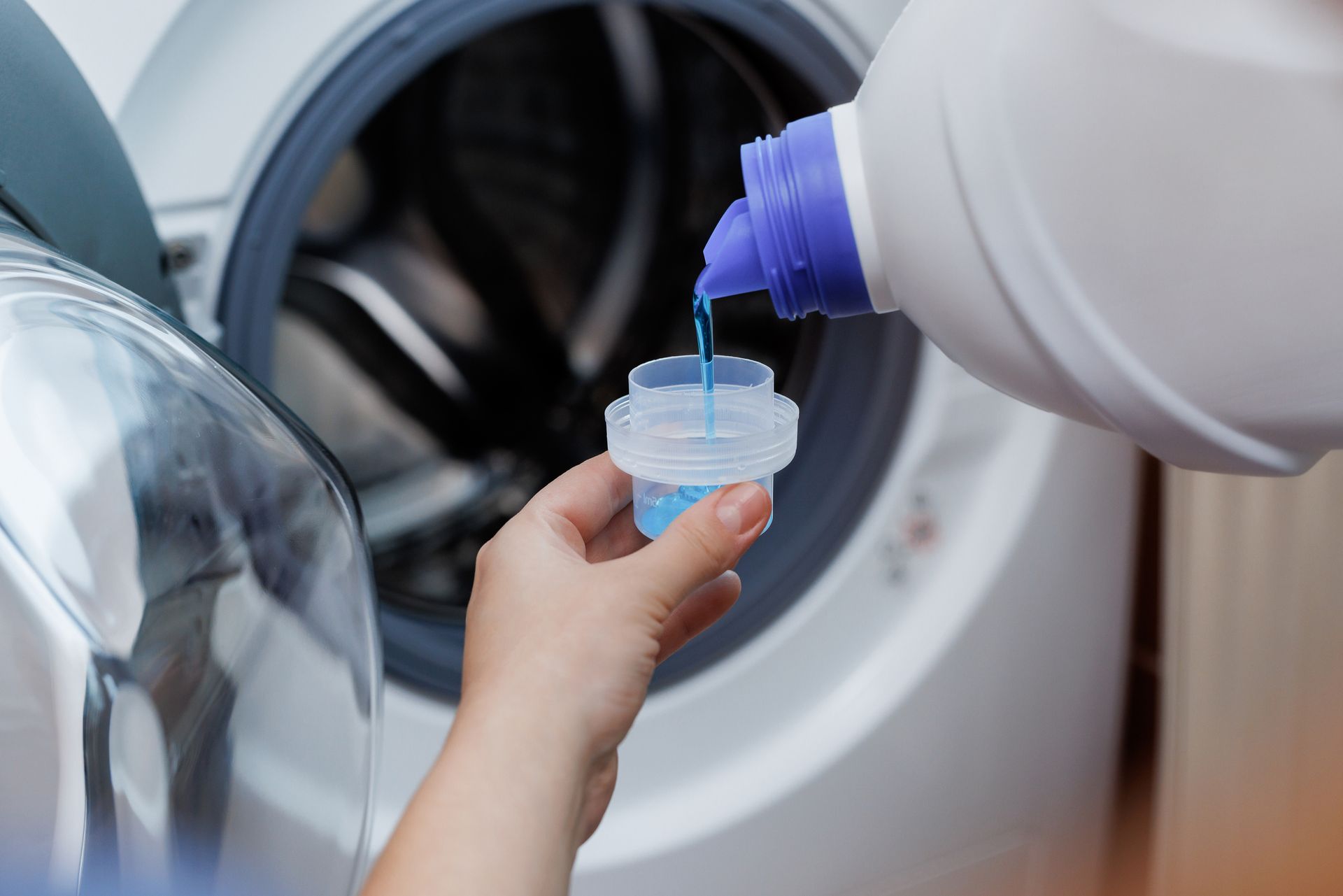
To care for your system's natural bacteria, protect their living environment by limiting the use of harsh household cleaners, antibacterial soaps, and heavy chemical disinfectants. Additionally, water conservation is a critical daily practice. Spacing out your laundry loads throughout the week is a free, highly effective way to prevent hydraulic stress.
Ultimately, no household habit or store-bought enzyme can replace the necessity of physical maintenance. Over time, inorganic materials and sand accumulate at the bottom of the tank and cannot be broken down by bacteria. The only safe and reliable way to remove this waste is through regular septic tank pumping. Physical extraction empties the container, cleans the inlet and outlet baffles, and restores the full liquid capacity of the tank, which is the most reliable way to extend your system's lifespan.
Frequently Asked Questions
Is flushing baker's yeast down the toilet good for my septic tank?
No, flushing baker's yeast down the toilet is not beneficial. Yeast is a fungus that ferments starches rather than digesting human waste, which can disrupt the settling process and cause solid sludge to float into your leach field.
While yeast is a living culture, the necessary anaerobic bacteria are already fully introduced through daily toilet use. Adding yeast causes gas and frothing, leading to mechanical issues in your pipes.
Can using baking soda damage my septic system?
In small household cleaning quantities, baking soda will not damage your septic system. However, dumping large amounts of baking soda down the toilet can aggressively alter the tank's pH level, killing the beneficial bacteria that break down organic waste.
A healthy wastewater tank maintains a neutral pH range between 6.5 and 7.5. While baking soda is safe for scrubbing bathroom fixtures, it should never be used in bulk to resolve odors or clogs.
Do commercial septic enzymes eliminate the need for pumping?
No, commercial septic enzymes do not eliminate the need for routine septic tank pumping. While some biological additives can temporarily speed up the breakdown of organic matter, they cannot digest inorganic materials or prevent the long-term accumulation of heavy solid sludge at the bottom of the tank.
Over time, sand, dirt, plastic fibers, and undigestible solids that enter your plumbing must be physically removed from the tank. Relying on enzymes to bypass pumping is a myth that eventually results in leach field failure.
What are the New Hampshire state rules regarding septic tank additives?
The New Hampshire Department of Environmental Services (NHDES) septic additive guidelines state that chemical treatments are not recommended and cannot substitute for regular mechanical pumping. State rules strictly prohibit any additives containing toxic organic solvents or acids that can contaminate underground well water.
The state warns that some products temporarily liquefy solids only to push them into the leach field, sealing soil pores. Under New Hampshire regulations, protecting the water table is a primary priority.
Are there any safe DIY septic treatments to boost bacteria?
Safe DIY treatments involve preventative habits rather than flushing additives. Reducing water usage, spreading out laundry, and keeping grease, harsh chemicals, and solids out of your drains are the most effective ways to support septic bacteria.
Your wastewater naturally contains all the anaerobic bacteria required to digest waste. Rather than spending money on treatments, protecting this biological ecosystem ensures your system operates efficiently for decades.
Conclusion
When considering how to manage your home's wastewater system, the scientific and regulatory answer is clear. Homeowners frequently ask do septic tank additives actually work in an effort to save on home maintenance, but the truth is that these products are an unnecessary and often dangerous expense. Your septic tank is a naturally self-sustaining biological engine that already possesses all the bacteria it needs to process organic waste. Attempting to boost this system with yeast, baking soda, or commercial chemical enzymes disrupts this natural chemistry and threatens your expensive leach field. By focusing on safe household habits, water conservation, and routine professional pumping, you can successfully protect your property's infrastructure and enjoy peace of mind for decades.
For homeowners looking for additional information or professional support related to this topic, RCI Septic Service offers septic-related services and resources. Learn more at https://www.rciseptic.com/.