How to Finance Septic System Replacement NH: Loans, Grants, and Payment Options
Replacing a home wastewater system is one of the most significant maintenance projects a homeowner can face. When a leach field fails or an aging concrete tank degrades beyond repair, the need for a new installation is often immediate. Understanding how to finance septic system replacement NH projects helps you navigate these necessary home repairs with clarity and confidence.
For families in Londonderry and surrounding Southern New Hampshire communities, unexpected repair demands can create financial strain. Fortunately, structured loans, state assistance programs, and local bank partnerships offer accessible pathways to cover replacement costs without compromising on installation quality or environmental safety.
Understanding the Need to Finance Septic System Replacement NH Projects
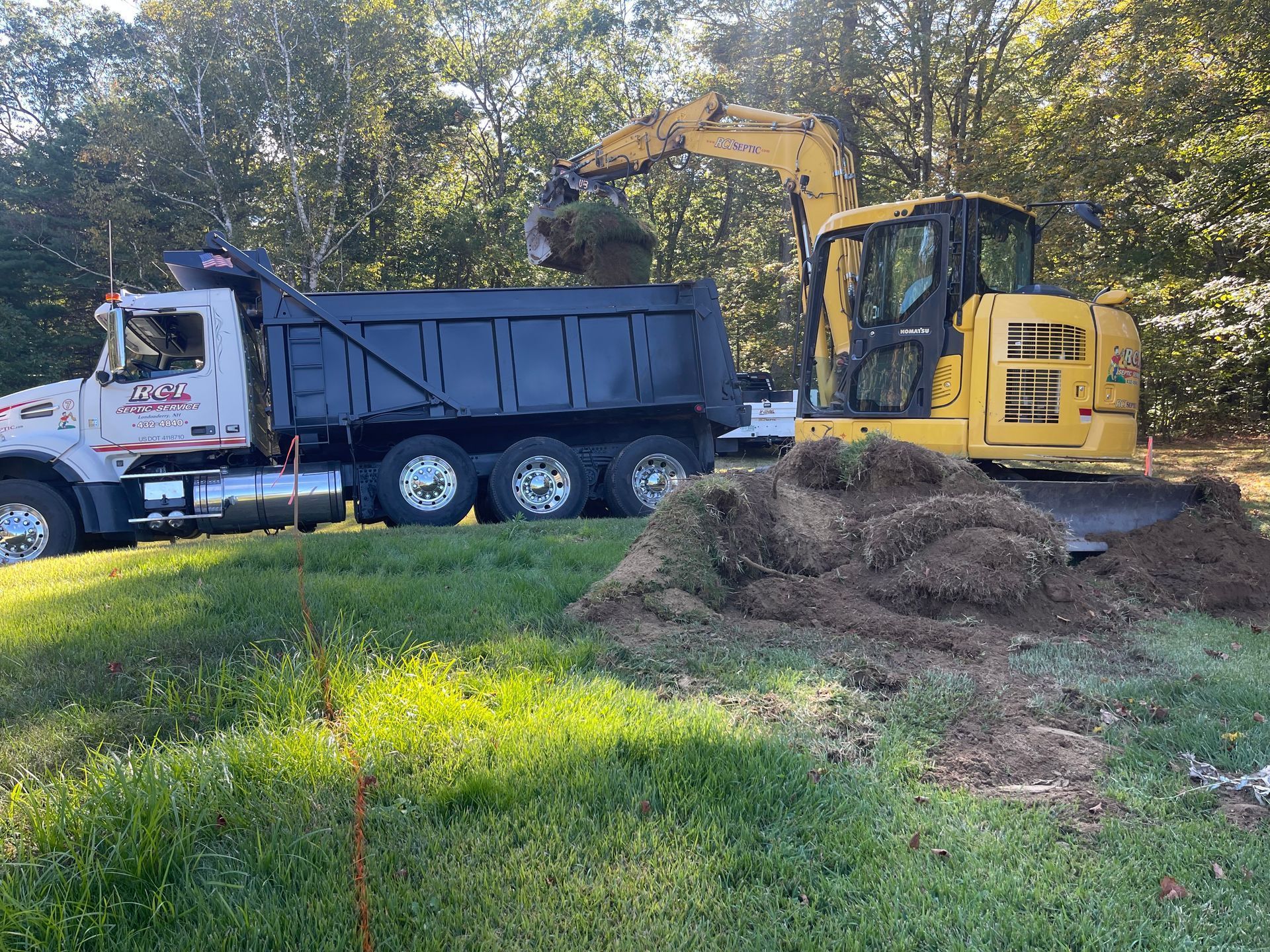
A septic system failure requires prompt attention to prevent environmental contamination and property damage. Standing water over a drain field, persistent drain backups inside the home, or structural collapse of an underground tank mean that system replacement cannot be postponed. Because a complete installation requires site evaluation, engineering designs, state permits, soil test pits, and heavy excavation work, the total investment is substantial.
Many property owners do not have cash reserves set aside for major home infrastructure updates. Seeking options to finance septic system replacement NH jobs allows families to address urgent sanitation needs immediately while spreading costs into manageable monthly installments. Rather than delaying critical repairs and risking municipal fines or health hazards, structured financing provides a practical solution.
When evaluating an unexpected system failure, homeowners can explore specialized home improvement loans, municipal assistance, and low-interest community financing programs. Working with an experienced, licensed team ensures that your project meets all New Hampshire Department of Environmental Services (NH DES) regulations while keeping your payment plan aligned with your household budget.

Local Bank Solutions: St Marys Bank Septic Loan NH Options
Local financial institutions often provide the most flexible and reliable financing products for regional infrastructure projects. One notable option available to local residents is the St Marys Bank septic loan NH program. Through a direct partnership with RCI Septic Service, St. Mary's Bank offers tailored financial products designed specifically for residential septic repairs and full system replacements.
Choosing a local credit union or community bank offers several distinct advantages over national lenders:
- Tailored Loan Terms: Financing packages are structured specifically for home wastewater infrastructure, offering flexible repayment schedules.
- Competitive Interest Rates: Local financial institutions provide fixed-rate loans that keep monthly costs predictable over the life of the loan.
- Streamlined Approval Processes: Lenders familiar with Southern New Hampshire real estate understand local permitting timelines and work directly with contractors to expedite funding.
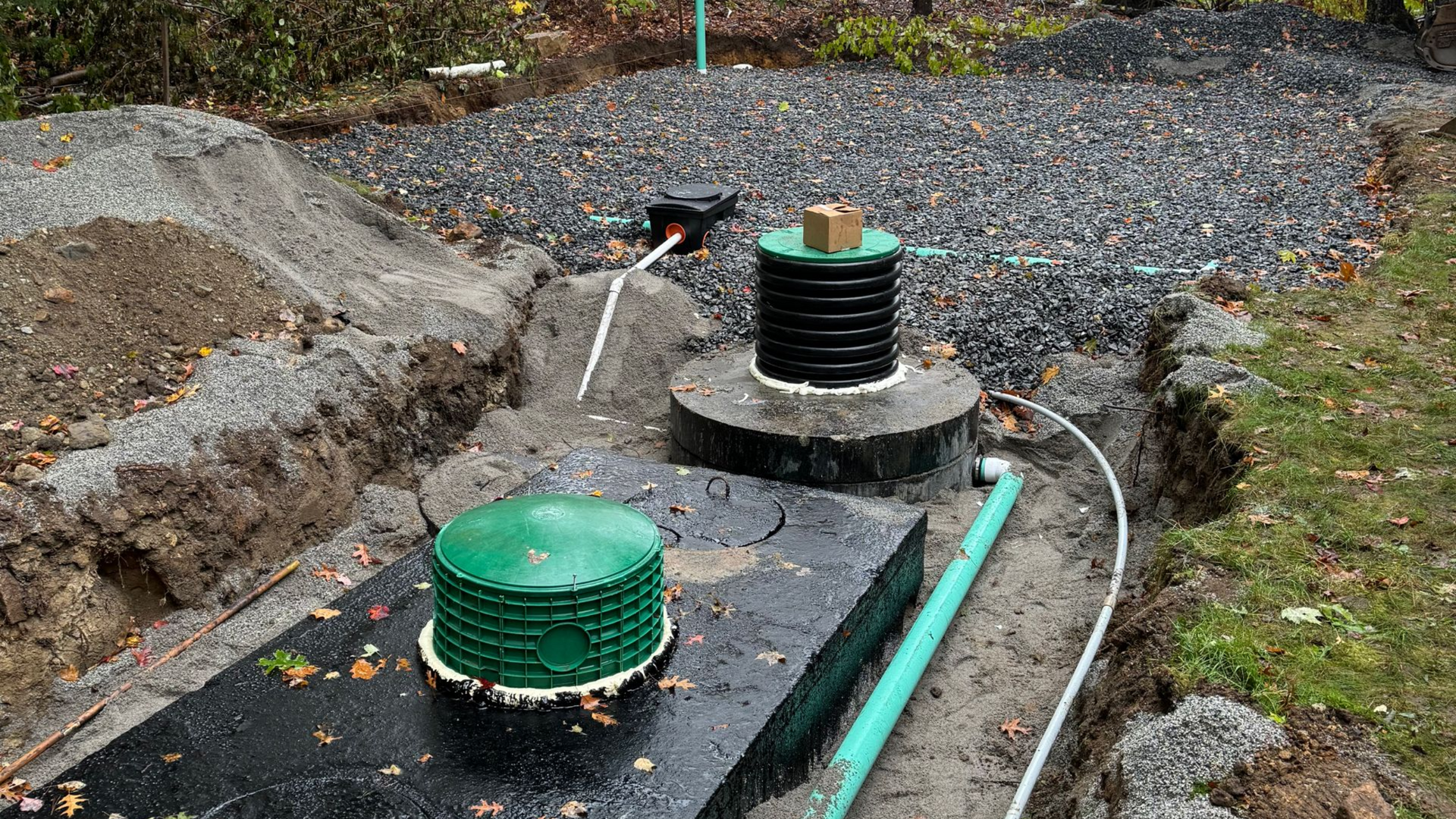
For homeowners requiring a total septic system replacement, securing a dedicated loan ensures that site excavation, tank placement, stone distribution, and final grading proceed without interruption. By establishing a clear payment framework before excavation begins, property owners can focus on restoring their home infrastructure with complete peace of mind.
Exploring Alternative Payment Frameworks and Loan Structures
Beyond specialized credit union programs, homeowners can evaluate several traditional financing channels when building a septic replacement cost payment plan. Each financial instrument offers unique features depending on home equity, credit score history, and long-term financial goals.
Home Equity Lines of Credit (HELOC) and Home Equity Loans
Homeowners with established property equity in Londonderry or neighboring towns often utilize home equity lines of credit (HELOC) or fixed-rate home equity loans. These options typically offer lower interest rates because the loan is secured by the residential property. A HELOC provides a flexible line of credit that can cover unexpected engineering or excavation adjustments during installation.
Personal Loans and Unsecured Financing
For property owners with limited equity or those who need immediate capital without lengthy appraisal processes, unsecured personal home improvement loans provide a viable alternative. While interest rates may be slightly higher than equity-backed loans, approval timelines are often faster, allowing emergency excavation work to begin promptly.
Government Grants and Regional Financial Assistance
In certain New Hampshire municipalities, low-income homeowners, elderly residents, or properties situated near sensitive watersheds may qualify for federal or state grants. Programs managed through the USDA Rural Development Housing Repair Loans & Grants program offer low-interest loans and direct grants to eligible rural property owners to remove health and safety hazards.
Navigating Options with Credit Challenges: Bad Septic System Replacement Loan Solutions
Facing a failed leach field or cracked tank with imperfect credit can feel overwhelming. However, finding a bad septic system replacement loan or specialized credit-building financing option is entirely possible through targeted local programs and state-backed initiatives.
Because a functioning wastewater system is essential for public health and property sanitation, lenders often evaluate septic financing differently than discretionary luxury loans. Options for property owners working to improve their credit profile include:
- Co-Signer Partnerships: Adding a family member or co-applicant with strong credit can secure approval and lower interest rates on unsecured personal loans.
- FHA Title I Property Improvement Loans: Federal Housing Administration (FHA) insured Title I loans allow lenders to approve home repair financing for borrowers with moderate credit scores or limited home equity.
- Specialized Community Development Credit Union Programs: Local credit unions frequently offer credit-builder home repair loans, evaluating overall income stability and property ownership rather than relying solely on automated credit scores.
When planning a complex project, securing professional guidance for a new septic system installation allows homeowners to obtain accurate project estimates required by loan underwriters, preventing unexpected out-of-pocket expenses.
Key Steps to Secure NH Septic Installation Financing
Successfully securing NH septic installation financing requires a structured approach to ensure loan proceeds cover all design, permitting, and construction stages. Following a step-by-step preparation timeline streamlines loan approval and prevents project delays.
- Obtain a Professional System Diagnosis and Design: Before applying for financing, schedule a thorough site inspection and engineering evaluation. Licensed designers conduct test pits and draft state-approved plans that outline exact project scopes.
- Request an Itemized Contractor Estimate: Lenders require detailed, written proposals from licensed installers. A clear estimate outlining tank materials, leach field design, excavation labor, and site restoration provides the exact figures needed for loan underwriting.
- Compare Financial Products: Evaluate interest rates, term lengths, and origination fees across local credit unions, personal loan lenders, and home equity programs to select the optimal structure for your household.
- Submit Application Documents Promptly: Gather tax returns, proof of income, property deed records, and contractor estimates to expedite underwriting and avoid funding delays.
Taking these proactive steps ensures that your septic clean out, site preparation, and final installation proceed smoothly from start to finish.
Frequently Asked Questions
Can I finance both the engineering design and installation costs of a septic replacement?
Yes, most home improvement loans, credit union programs, and specialized septic financing products cover the total cost of the project. This includes initial soil test pits, engineering site plans, NH DES permit fees, excavation, equipment installation, and final lawn restoration. Providing your lender with a comprehensive contractor estimate ensures all phases are funded.
How long does it take to get approved for a septic replacement loan in New Hampshire?
Approval timelines vary depending on the loan type. Unsecured personal loans and specialized local programs, such as credit union septic financing, can often be approved within 24 to 48 hours. Equity-based loans or government grant programs may take two to four weeks due to required property appraisals and administrative verification.
What should I do if my septic system fails and I cannot afford immediate replacement?
If your system fails unexpectedly, contact a licensed septic professional immediately to evaluate temporary mitigation options, such as pumping the tank to prevent indoor backups. You can then apply for emergency home repair loans, explore local credit union financing partnerships, or check eligibility for state and federal assistance grants designed for urgent home repairs.
Are interest payments on a septic replacement loan tax-deductible?
Interest paid on home equity loans or HELOCs used explicitly for substantial home improvements—such as replacing a vital wastewater system—may be tax-deductible under federal tax guidelines. Unsecured personal loans generally do not offer tax-deductible interest. Consult a qualified tax professional to understand how financing impacts your individual tax situation.
Will a new septic system increase my home's property value in Southern NH?
Replacing an outdated or failing septic system protects and often restores your home's full market value. In New Hampshire real estate transactions, a fully permitted, brand-new septic system provides buyers with confidence, eliminates potential inspection roadblocks, and ensures compliance with state environmental regulations.
Conclusion: Securing Sustainable Solutions to Finance Septic System Replacement NH Projects
Replacing a home septic system is a critical investment that protects family health, property value, and local New Hampshire water resources. By exploring local credit union loans, flexible bank partnerships, home equity lines, and specialized financial assistance programs, homeowners can overcome upfront cost barriers and address urgent infrastructure needs without delay. Establishing a clear, structured payment framework ensures your home remains safe, compliant, and fully operational for decades to come.
For homeowners looking for additional information or professional support related to this topic, RCI Septic Service offers septic-related services and resources. Learn more at https://www.rciseptic.com/.