Paving a New Driveway in Southern NH? Safe Setback Distances from Your Septic Lines
Many homeowners in Londonderry and Southern New Hampshire decide to upgrade their properties by expanding their parking areas. Adding a new garage bay or widening a driveway provides much-needed space for vehicles, boats, and winter equipment. However, when you rely on an underground wastewater system, this common home improvement project requires careful planning.
The danger of paving over septic lines is a serious concern. When you introduce heavy construction equipment and dense paving materials to your yard, you risk permanently destroying the delicate underground infrastructure. Understanding the physical layout of your system and respecting safe distances prevents a simple driveway expansion from triggering a catastrophic plumbing failure.
The Physical Danger of Paving Over Septic Lines
When planning a driveway expansion, it is easy to forget that your wastewater system is buried just a few feet below the surface. The main sewer line connecting your home to the tank is typically made of PVC plastic or older cast iron. These pipes are designed to handle the natural, evenly distributed weight of standard topsoil and lawn grass.
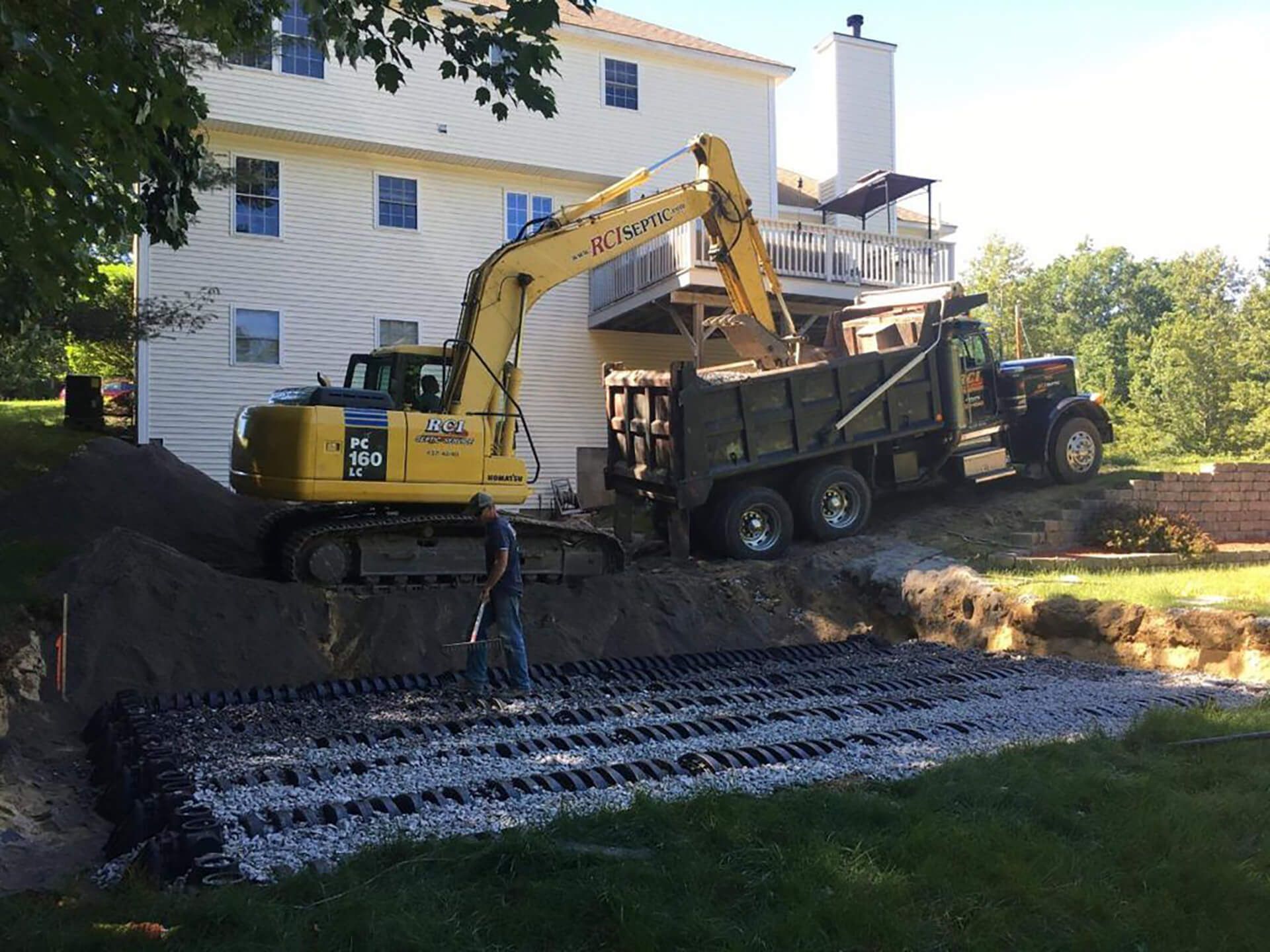
They are not engineered to survive the construction process of a new driveway. Preparing a site for asphalt requires excavating the topsoil, laying down a thick base of crushed gravel, and repeatedly driving heavy machinery over the area to compact the base. The immense downward force of a vibrating asphalt roller can easily crack or shatter the buried pipes.
Once a pipe fractures underground, the daily wastewater leaving your home has no clear path to the tank. The liquid will seep into the surrounding soil, eventually causing a backup in your lower-level plumbing fixtures. Furthermore, if you lay an asphalt driveway over septic tank lids, you permanently block access for routine maintenance. A concrete tank cannot safely support the constant weight of parked vehicles, and the continuous pressure often leads to a cracked lid or a complete structural collapse.
Why does Driving on Leach Field Components Causes Immediate Failure
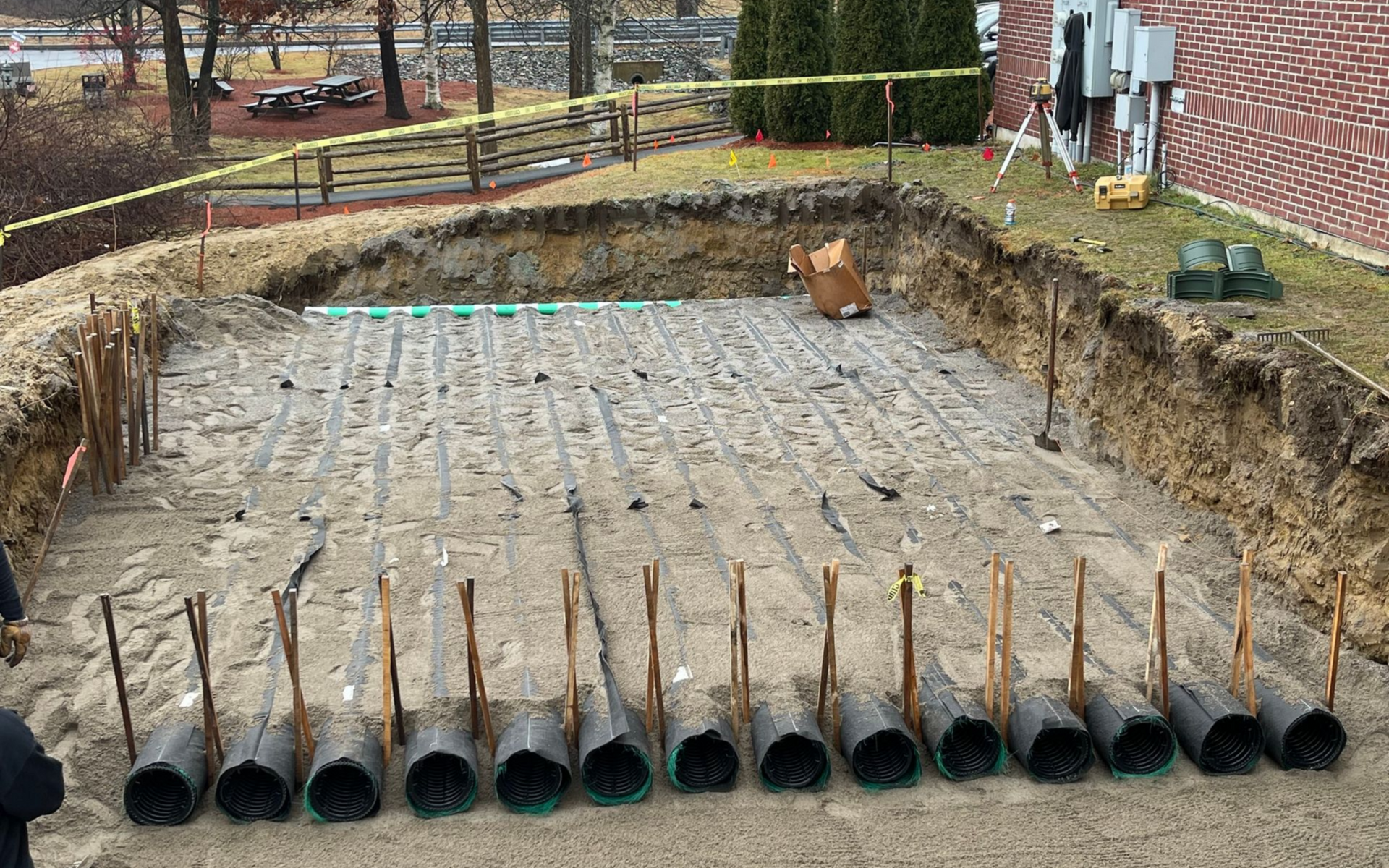
Your leach field, or drain field, is the most sensitive and expensive component of your entire wastewater system. This area relies entirely on a delicate biological balance to filter and treat the liquid effluent leaving your tank. For the treatment process to function properly, the soil must remain porous, uncompacted, and capable of exchanging oxygen with the surface.
Driving on leach field areas with cars, trucks, or heavy construction equipment instantly destroys this necessary soil structure. The weight of the vehicle tires compresses the tiny air pockets within the soil, effectively turning porous dirt into a dense, impenetrable brick. When the soil is compacted, it can no longer absorb the liquid effluent. For a detailed breakdown of how this natural filtration process operates, you can review our educational guide on "How a stone and pipe leach field works."
In addition to compacting the soil, heavy vehicles will physically crush the perforated dispersal pipes buried in the trenches. Paving over this area also creates a solid, non-porous barrier that traps moisture and completely cuts off the oxygen supply required by the beneficial soil bacteria. Without oxygen, the bacteria die, the filtration process stops, and the leach field hydraulically fails.
Navigating Septic Setback Rules NH for Driveway Construction
To protect public health and the environment, the New Hampshire Department of Environmental Services (NHDES) establishes strict guidelines for property development. Understanding septic setback rules NH is a mandatory step before finalizing any blueprints for a new parking area. These rules dictate the minimum safe distances required between your wastewater infrastructure and new permanent structures, including paved surfaces.
Generally, any new driveway or heavy hardscaping should remain a minimum of ten to twenty feet away from the outer edges of your leach field and concrete tank. This buffer zone ensures that the weight of parked cars and the vibrations from construction equipment do not disturb the buried components. It also guarantees that heavy rain runoff shedding off the new impermeable asphalt does not inadvertently flood the drain field, which would cause a temporary hydraulic overload.
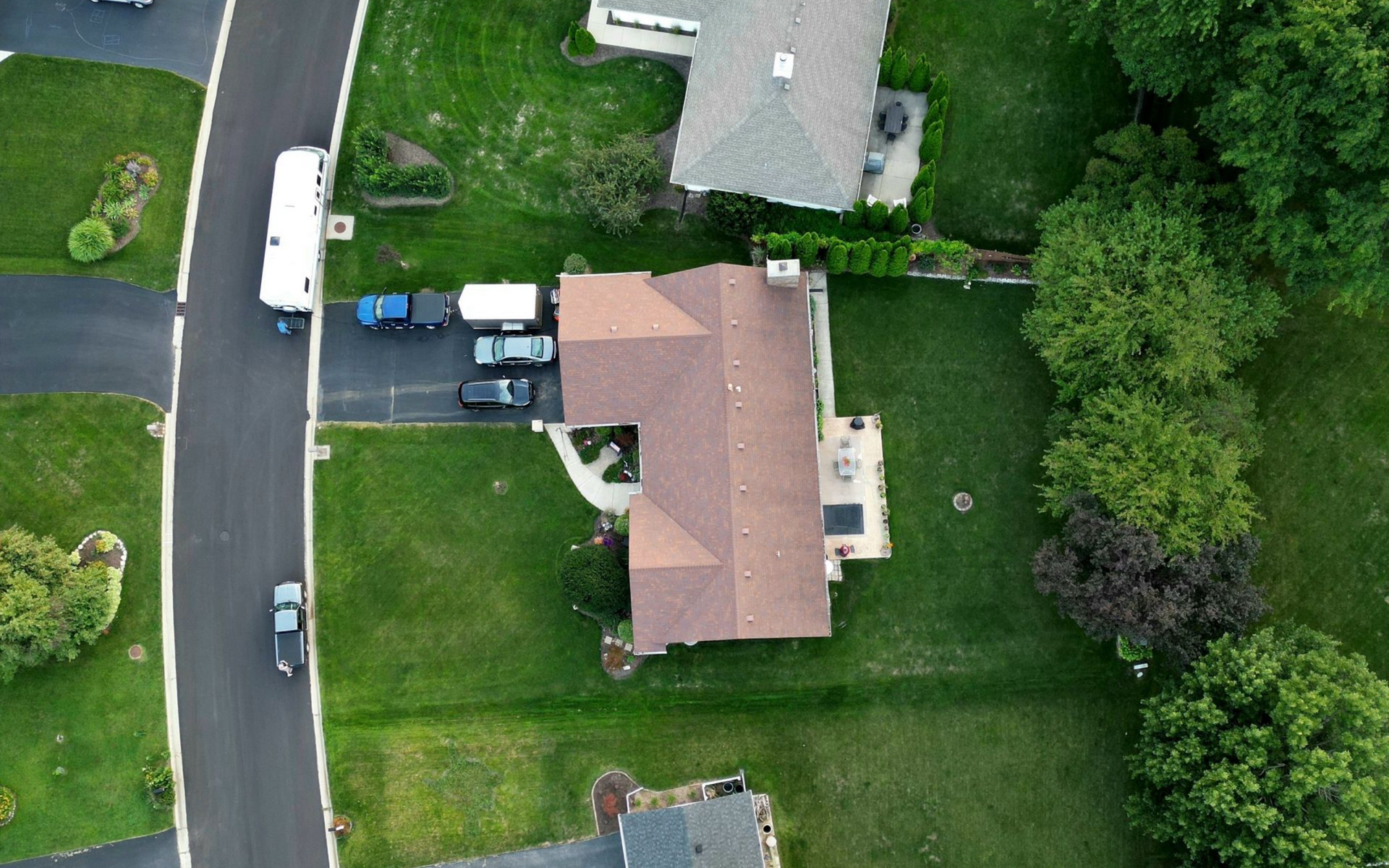
Before breaking ground on a driveway extension septic homeowners must accurately map their underground components. You cannot maintain a safe setback distance if you are guessing where the tank and pipes are located. We highly recommend retrieving your original property designs or hiring a professional to mark the exact boundaries of your system. You can learn more about this crucial identification process by visiting how to find your septic tank location.
Safe Alternatives and Solutions for Expanding Your Parking Area
Finding extra parking space on a restricted lot requires careful strategy. If your primary driveway points directly toward your leach field, you must look for alternative expansion routes. The safest approach is always to widen the driveway in the opposite direction of the wastewater system, ensuring all vehicular traffic stays safely within the designated safe zones.
However, if an accident does happen during a yard project, immediate action is required. If a contractor inadvertently drives over the leach field or crushes a main sewer line with a heavy machine, the damaged section must be excavated and replaced before the system backs up into the house. In these severe situations, scheduling professional septic system repair and replacement is the only way to restore the mechanical integrity of your plumbing.
Frequently Asked Questions
Can I pave over my septic tank if I install heavy-duty access covers?
No, you should never install a driveway over your septic tank, even if you plan to leave the access lids exposed. The primary danger is not just the lack of access; it is the immense, continuous weight of the vehicles parked on the surface.
A standard concrete tank is not engineered for traffic loading. The weight of heavy pickup trucks, delivery vans, and the asphalt base itself creates severe downward pressure. This pressure will eventually cause the concrete lid to fracture or the sidewalls to collapse, resulting in a massive sinkhole and a ruined tank.
How far away should my new driveway be from the leach field?
You should keep all new driveways, parking pads, and heavy hardscaping a minimum of ten to twenty feet away from the absolute edge of your leach field. This setback distance is critical for protecting the uncompacted soil that your system relies on to filter wastewater.
Maintaining this buffer zone also ensures that rainwater running off the non-porous asphalt does not flood the dispersal trenches. Flooding the surface prevents oxygen from reaching the underground bacteria, which stops the natural treatment process and causes the field to fail.
What happens if a delivery truck accidentally drives on my leach field?
A single heavy truck driving across a leach field can cause immediate and permanent damage. The concentrated weight of the commercial tires will severely compact the soil, destroying the tiny air pockets necessary for wastewater absorption.
Furthermore, the extreme weight easily crushes the brittle, perforated PVC pipes buried just below the grass. If a delivery driver crosses your drain field, you should schedule a professional camera inspection of the pipes to determine if sections were shattered and require physical excavation to repair.
Can I use a gravel driveway over my septic lines instead of asphalt?
No, you cannot build a gravel driveway over your septic lines or leach field. While gravel is permeable and allows water to pass through, it still requires heavy machinery to install and compact. The weight of the gravel base and the vehicles driving over it is the primary threat.
The constant vehicular traffic on a gravel driveway will still compact the soil and crush the shallow pipes below. All forms of vehicle traffic, regardless of the surface material, must be kept entirely off the wastewater infrastructure.
How do I know where my septic lines are before the paving company arrives?
The safest way to locate your septic lines is to review your property's approved septic design plan, which is often kept on file with your local town health department or the state environmental agency. This blueprint provides a highly accurate map of all buried components.
If you cannot locate the official records, you must hire a licensed professional to map the system before any construction begins. A technician can use electronic locating equipment to trace the pipes from the house to the tank and outline the exact perimeter of the leach field, ensuring your paving contractors know exactly where to avoid.
Conclusion
Expanding your parking area is an excellent way to improve the functionality and value of your home. However, taking the time to plan the project around your existing underground utilities is absolutely essential. The severe risks of paving over septic lines—from crushed pipes to total leach field failure—far outweigh the convenience of a larger driveway. By identifying your system's exact location, respecting safe setback distances, and keeping heavy machinery off the grass, you ensure that your home improvement project is a complete success without compromising your critical wastewater infrastructure.
For homeowners looking for additional information or professional support related to this topic, RCI Septic Service offers septic-related services and resources. Learn more at https://www.rciseptic.com/.