Installing a Pool in Southern NH? Septic Setback Rules You Must Follow
Transforming your New Hampshire backyard into a summer oasis often begins with planning a new swimming pool. While selecting the right pool size and decking materials is exciting, homeowners who rely on a residential wastewater system face an additional layer of critical planning. Your underground plumbing infrastructure is fragile and highly sensitive to changes in the surrounding environment.
Many property owners underestimate the massive footprint of their underground utilities. Attempting to install an above ground pool over septic leach field components is a highly destructive mistake that routinely causes catastrophic system failures. A swimming pool introduces immense weight, heavy construction traffic, and millions of pounds of water pressure to your property.
This educational guide explains the precise physical and regulatory reasons why you must keep recreational water features entirely separate from your wastewater infrastructure. We will cover the mechanical threats of heavy structures, the specific state setback requirements, and the safe ways to manage pool water without destroying your underground pipes.
The Danger of an Above Ground Pool Over Septic Leach Field Areas
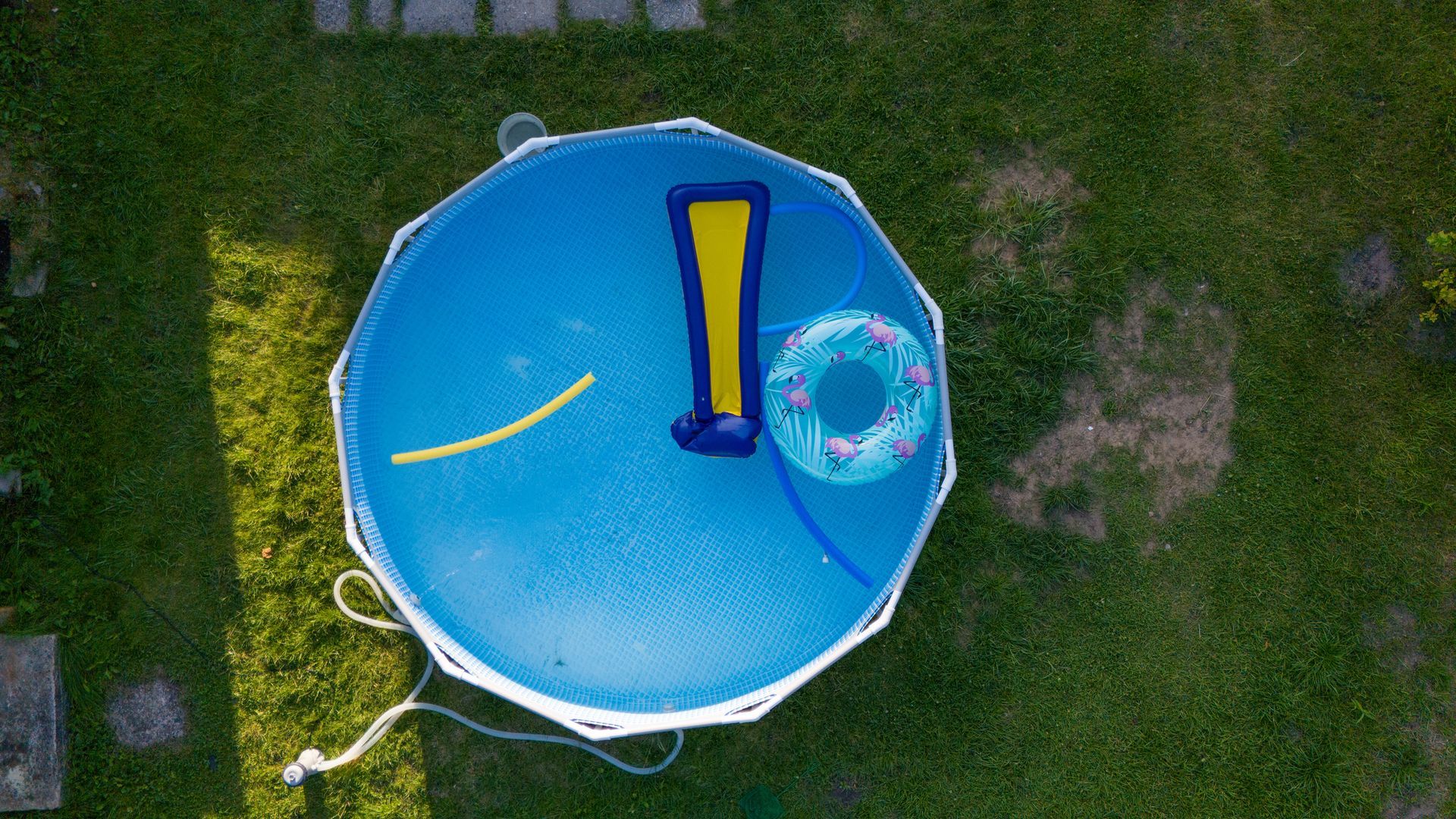
To understand why a pool cannot share space with a wastewater system, you must consider the sheer physical weight of water. Water weighs approximately 8.3 pounds per gallon. A standard 24-foot round above-ground pool holds over 13,000 gallons of water. When fully assembled, this structure places more than 100,000 pounds of continuous, concentrated downward force directly onto your topsoil.
Your leach field relies entirely on uncompacted, porous dirt to function. The underground trenches contain brittle, perforated PVC pipes designed to withstand the natural weight of normal topsoil and lawn grass. Placing an above ground pool over septic leach field trenches will instantly crush these delicate pipes. When the pipes shatter, the daily wastewater leaving your home can no longer disperse, resulting in a severe backup into your household plumbing.
Furthermore, a healthy dispersal field requires a continuous exchange of oxygen. The beneficial bacteria living in the soil beneath the grass need oxygen to break down and neutralize the harmful pathogens in your wastewater. A massive vinyl pool liner and thousands of pounds of sand base act as a suffocating seal. This barrier completely cuts off the oxygen supply, kills the biological ecosystem, and guarantees a total failure of the underground treatment process.
Understanding Pool Septic Setback NH Regulations
Because wastewater systems pose a significant public health risk if they fail, the New Hampshire Department of Environmental Services (NHDES) strictly regulates property modifications. Navigating the specific pool septic setback NH guidelines is a mandatory legal step before finalizing any backyard construction blueprints. These rules dictate the absolute minimum safe distances required between your underground plumbing and any new permanent or semi-permanent structure.
Generally, state and local regulations require any above-ground or in-ground pool to be placed a minimum of 10 to 20 feet away from the outer edges of your leach field and concrete tank. This buffer zone is non-negotiable. It ensures that the immense weight of the pool does not laterally compress the surrounding soil and ruin the porosity of the nearby drainage trenches.
These setbacks also serve as a vital safety measure against cross-contamination. If a pool liner tears or a filtration hose disconnects, thousands of gallons of chemically treated water will flood the surrounding yard. The mandated buffer zone provides enough distance to prevent this massive surge of water from washing out the topsoil over your leach field or flooding the underground trenches with chlorine.
The Physical Risks of Building Pool Near Septic Tank Structures
While the leach field is highly vulnerable to topsoil compression, the concrete holding tank faces different structural threats during a yard upgrade. Building pool near septic tank structures frequently requires significant excavation. Even a simple above-ground pool requires a leveling process that removes several inches of topsoil, while an in-ground pool requires massive, deep earth removal.
Excavating too close to your underground tank threatens its structural integrity. The concrete tank relies on the densely packed dirt surrounding its walls for equalized pressure and stability. If a contractor digs a deep hole mere feet away, the soil supporting the side of the tank can easily wash out or cave in. This sudden lack of support can cause the heavy concrete receptacle to shift, crack, or completely detach from the main sewer line connected to your house.
Before planning your pool's location, it is critical to understand exactly what is a septic tank and where it is buried on your property. Blocking access to the concrete lids with pool decking or filtration equipment is another common, costly error. The tank must remain easily accessible for routine pumping and maintenance, and placing heavy pool infrastructure nearby makes future service impossible without dismantling your new outdoor living space.

Preventing Heavy Weight on Leach Field Components During Installation
The threat to your wastewater system begins long before the pool is filled with water. The construction phase itself is one of the most dangerous periods for your property. Allowing heavy weight on leach field areas is a leading cause of irreversible, premature plumbing failure.
Pool installation requires a parade of heavy machinery. Contractors utilize skid steers to level the ground, dump trucks to deliver yards of masonry sand, and massive commercial tanker trucks to deliver the pool water. Driving any of these heavy vehicles across your drain field will severely compact the soil. Compacted dirt loses its microscopic air pockets, turning from a porous sponge into an impenetrable brick that can no longer absorb liquid effluent.
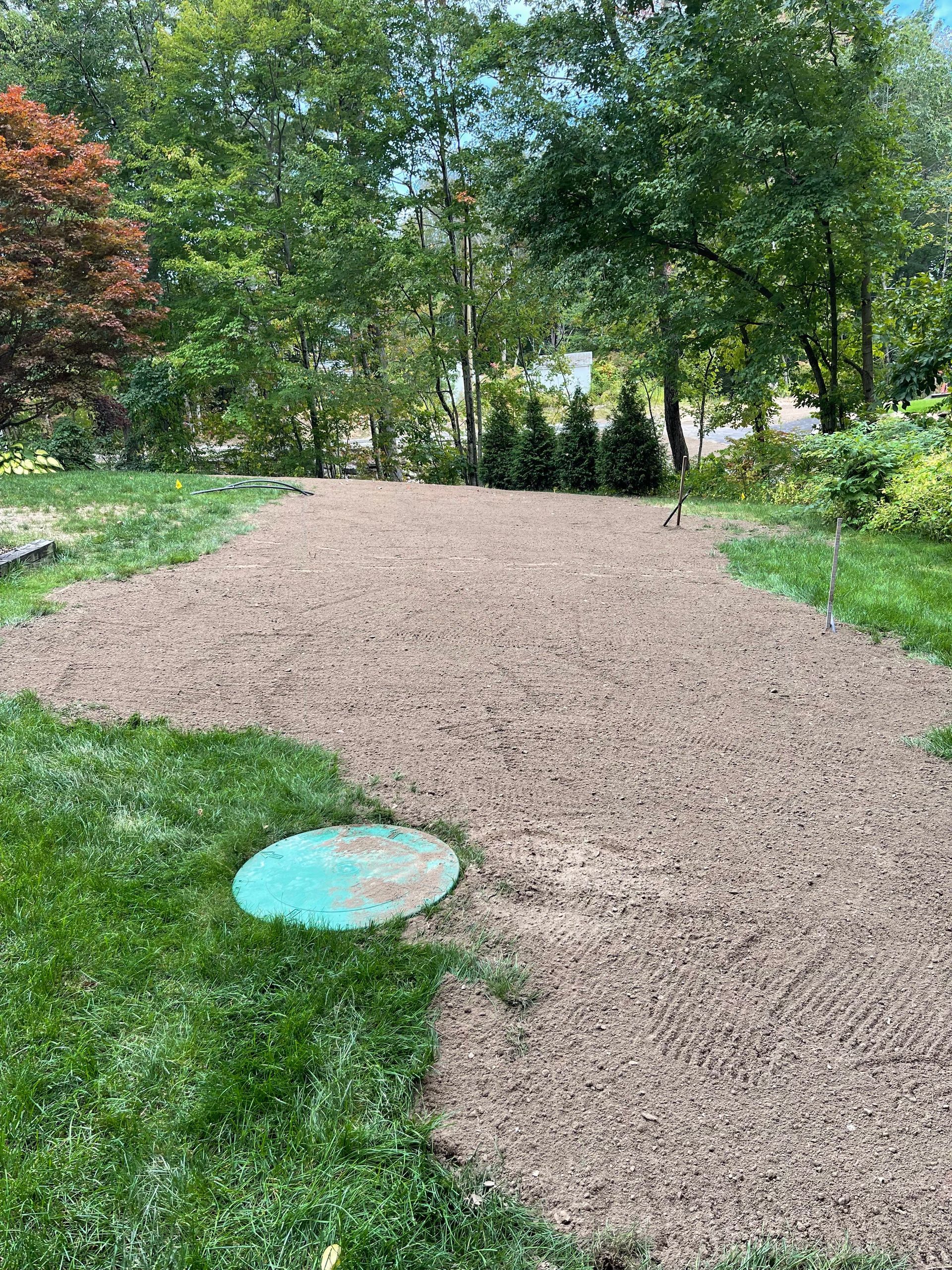
Before any machinery arrives at your home, you must clearly mark the exact boundaries of your entire wastewater system. Use bright stakes or caution tape to cordon off the tank and the dispersal field. Mandate that all landscaping contractors, delivery drivers, and foot traffic remain strictly outside of this marked zone. If a water delivery truck accidentally backs over the trenches and crushes the underground lines, you will immediately need to schedule professional septic system repair and replacement before you can use the plumbing inside your home.
Why Draining Pool Into Septic Systems is a Catastrophic Mistake
At the end of the short New England summer, pool owners must lower the water level to prevent winter freeze damage. A common, highly destructive assumption is that this excess water can simply be pumped into a basement utility sink or an outdoor sewer cleanout pipe. Draining pool into septic infrastructure guarantees an immediate and severe system failure.
Your underground tank is a delicate biological environment. The natural bacteria living inside the tank are responsible for breaking down the solid human waste generated by your household. Pool water is heavily treated with harsh chemicals, including liquid chlorine, algaecides, and high concentrations of salt. Introducing these caustic chemicals into your wastewater system will instantly kill the entire bacterial colony, stopping the waste digestion process completely.
Beyond the chemical shock, the sheer volume of water causes a severe hydraulic overload. A standard system is designed to handle a slow, steady trickle of a few hundred gallons of water per day. Blasting thousands of gallons of pool water into the tank will violently stir up the resting sludge layer. This turbulent slurry of raw sewage is then forced rapidly out of the tank and into the fragile drain field. To visualize how this clean effluent is supposed to naturally exit the tank without sludge, you can review our guide on how a stone-and-pipe leach field works. Once raw sludge is pushed into those pipes by a hydraulic surge, the soil is permanently ruined.
Frequently Asked Questions
Can I put a small, temporary inflatable pool over my leach field?
No, you should never place any type of pool over a leach field, regardless of its size. Even a small, temporary inflatable pool holds several hundred gallons of water, which equates to thousands of pounds of pressure. This weight temporarily compacts the soil and entirely blocks the natural evaporation of moisture from the grass. Your drain field requires continuous access to wind and sunlight to help manage the daily volume of household wastewater.
How do I find the exact location of my septic system before building a pool?
The safest way to locate your underground components is to retrieve your property's approved septic design plan, which is typically filed with your local town health department or the NHDES. This blueprint provides an accurate, to-scale map of all buried pipes. If the records are unavailable, you must hire a licensed professional to electronically trace the lines and mark the exact boundaries before any yard excavation begins.
What happens if my above-ground pool collapses and floods the drain field?
A sudden pool collapse releases thousands of gallons of water in a matter of seconds. If this massive wave washes over your drain field, it will cause extreme surface flooding and temporarily saturate the soil. You should immediately stop using the plumbing inside your home for at least a day to prevent a hydraulic overload, giving the yard time to naturally absorb the surface water and dry out.
Are the setback rules different for in-ground pools versus above-ground pools?
Yes, the specific setback requirements often vary based on the type of pool and your local town ordinances. In-ground pools generally require much larger setback distances from the concrete tank and the leach field because they involve deep, invasive excavation. Always consult with your local building inspector and your pool installation company to verify the exact legal setback distances required for your specific property layout.
Can I route my pool filter's backwash line into the septic tank?
You must never route a pool filter backwash line into any part of your household plumbing or wastewater system. Backwashing forces out concentrated dirt, debris, and high levels of chlorine or salt. This chemical surge will kill the beneficial bacteria inside your tank and hydraulically force untreated solid waste out into your delicate leach field. Backwash water must always be discharged safely onto the ground, far away from your underground utilities.
Conclusion
Adding a pool to your New Hampshire property provides incredible summer enjoyment, but the project requires strict respect for your existing underground utilities. The risks associated with placing an above ground pool over septic leach field components are severe, ranging from crushed pipes to total biological failure. By identifying your system's exact location, maintaining mandatory state setback distances, and keeping heavy construction traffic off the grass, you ensure that your backyard upgrade does not compromise the critical wastewater infrastructure protecting your home.
For homeowners looking for additional information or professional support related to this topic, RCI Septic Service offers septic-related services and resources. Learn more at https://www.rciseptic.com/.