
The NH Homeowner's Guide to Septic Odors: When to Worry and When to Wait
Introduction: That Smell Isn't Always What You Think
You step outside on a warm June morning in Londonderry, coffee in hand, ready to enjoy your backyard—and then you smell it. That unmistakable septic odor that makes you wonder if something's gone terribly wrong beneath your lawn.
Before you panic and imagine worst-case scenarios involving thousands of dollars in emergency repairs, take a breath. Not every septic smell means disaster is brewing. Some odors are temporary, seasonal, or easily fixable with simple adjustments you can make yourself.
But here's the truth: some septic odors do signal serious problems that need immediate professional attention. The trick is knowing the difference.
As New Hampshire homeowners, we rely on our septic systems every single day. Unlike city sewer systems where problems become someone else's responsibility, septic issues are entirely ours to manage. That's why understanding what different septic odors mean—and when they require action—is one of the most valuable pieces of knowledge you can have as a property owner.
In this guide, we'll walk through the most common septic odors NH homeowners experience, explain what causes them, and give you a clear framework for deciding when to call a professional and when to simply wait it out. By the end, you'll have the confidence to assess septic smells around your property like a pro.

1. Understanding Your Septic System and Why Odors Happen
To understand septic odors, you need to know how your septic system actually works.
Your septic tank is basically a large underground container that receives all the wastewater from your home—everything from toilets, showers, washing machines, and kitchen sinks. Inside the tank, solid waste settles to the bottom forming sludge, grease floats to the top creating scum, and the relatively clear wastewater in the middle eventually flows out to your drain field (also called leach field).
In the drain field, beneficial bacteria in the soil naturally treat the wastewater before it percolates down into the groundwater. It's an elegant, simple system that works remarkably well when properly maintained.
But here's where odors come into play: septic systems are designed to be mostly anaerobic, meaning they work without much oxygen. This environment creates gases as a natural byproduct of breaking down waste—primarily hydrogen sulfide (that rotten egg smell), methane, and carbon dioxide.
Under normal circumstances, these gases escape harmlessly through your home's plumbing vent pipes on your roof. You never smell them because they're vented high above your living space. The system maintains a delicate balance of pressure, moisture, and bacterial activity that keeps everything flowing smoothly and odor-free.
When you do smell septic odors, it means this balance has been disrupted somehow. The gases are escaping where they shouldn't—either around your tank, in your drain field, near your home's foundation, or even inside your house.
Common causes of septic odors include plumbing vent issues that prevent proper gas venting, dry drain traps in rarely used sinks or floor drains, tank or system components that need maintenance, saturated or failing drain fields, weather conditions affecting how gases disperse, wind patterns directing normal vent odors downward, full septic tanks overdue for pumping, and damaged or loose tank lids or risers.
The key is determining which category your odor falls into: temporary and harmless, or indicative of a developing problem.
2. The Odor Assessment Framework—When to Worry
Not all septic odors are created equal. Here's how to evaluate what you're smelling and determine your next steps.
Temporary Odors You Can Probably Wait Out
Warm, humid weather odors: New Hampshire summers bring heat, humidity, and atmospheric pressure changes that can temporarily trap septic gases near ground level instead of allowing them to dissipate upward. If you notice odors specifically during hot, humid, still days—especially in the early morning or evening when air is heavier—this is often just physics at work, not a failing system.
What to do: Wait for weather conditions to change. If the odor disappears when it's cooler, windier, or less humid, your system is likely fine. You can also check that all your plumbing vents on the roof are clear of debris, leaves, or bird nests.
Seasonal drain field odors: In spring when the ground thaws or after heavy rainfall, you might notice earthy, swampy smells near your drain field. This happens because the soil is saturated and gases can't disperse as easily through waterlogged ground.
What to do: If the smell fades as the ground dries out and you're not seeing standing water, pooling, or lush green patches over your drain field, this is typically temporary. Monitor it through the season—if it persists or worsens, call a professional.
Post-pumping air exchange: Right after your septic tank is pumped, the sudden change in the tank's environment can create temporary odors as gases readjust and beneficial bacteria recolonize the tank.
What to do: Give it a few days. The smell should fade as your system rebalances. If it continues beyond a week, contact your septic service provider.
Odors That Require Immediate Attention
Persistent sewage smell indoors: If you smell sewage inside your home—near drains, in bathrooms, or in your basement—this requires prompt investigation. It could indicate a blocked vent pipe, broken sewer line, dry P-trap, or even dangerous sewer gas buildup.
What to do: First, run water in all drains (including floor drains and rarely used sinks) for several minutes to refill P-traps. Check for obvious blockages. If the smell persists, call a plumber or septic professional immediately. Sewer gases contain methane which can be explosive in high concentrations, plus hydrogen sulfide which is toxic.
Odors accompanied by wet spots or standing water: If you smell septic odors and notice soggy areas, standing water, or unusually lush vegetation over your drain field or tank area, your system may be failing or backing up.
What to do: Stop using water-intensive appliances to minimize strain on your system and call a septic professional right away. A failing drain field or overfull tank can create serious health hazards and property damage.
Strong odors near the tank or access points: If you smell concentrated sewage near your septic tank location, especially around risers, lids, or access ports, you likely have a seal problem or damage to tank components.
What to do: Inspect visible components for cracks, gaps, or damage. Don't open the tank yourself. Call a septic service company to assess and repair any damaged seals or components.
Odors after major water events: Following significant flooding, rapid snowmelt, or if your system was underwater during heavy rains, septic odors may indicate that your system has been compromised or the drain field saturated beyond its capacity.
What to do: Have a professional inspect your system for damage. Flooded septic systems require careful assessment and potentially pumping to prevent contamination and system failure.
Sudden, unexplained odors with slow drains: If septic smells appear along with slow-draining sinks, toilets, or showers, your tank may be full or you could have a blockage somewhere in the system.
What to do: Check your pumping records. If it's been 3-5 years since your last pump-out, schedule service immediately. If you've recently pumped and still have these symptoms, call a professional to investigate potential blockages or system problems.

3. Regional Factors Every NH Homeowner Should Know
Living in New Hampshire presents unique challenges for septic systems that homeowners in other regions don't face. Understanding these local factors helps you interpret what septic odors might mean for your specific situation.
Freeze-thaw cycles: Our harsh winters put stress on septic components. Frost can heave tank lids, crack risers, and damage distribution boxes. When spring arrives and everything thaws, you might notice odors from components that shifted or cracked during winter.
If you smell septic odors in early spring that weren't present before winter, inspect all visible components once the ground thaws completely. Look for shifted lids, cracked risers, or gaps where none existed before. These are common in New Hampshire and Southern NH specifically, where we experience significant temperature swings.
High water tables in our area: Many Londonderry properties and surrounding communities have relatively high water tables, especially in spring. When groundwater rises, it can saturate your drain field and prevent proper drainage and treatment. This saturation forces gases upward where they become noticeable.
During spring snow melt or extended rainy periods, some drain field odor is normal as the system works harder. However, if you notice persistent odors, pooling water, or if your system seems to struggle every spring, you may need to discuss drain field modifications or water table management strategies with a septic professional.
Soil composition matters: New Hampshire has varied soil types—from sandy loam to heavy clay to ledge. Clay soils drain slowly and can become easily saturated, leading to more frequent seasonal odors. Rocky or ledge-based properties may have shallow systems more susceptible to weather impacts.
Understanding your property's soil type helps set realistic expectations. If you have heavy clay soil, some seasonal odor during wet periods isn't necessarily alarming. But if you have sandy, well-draining soil and still experience persistent odors, that's more concerning.
Aging systems: Many septic systems in established New Hampshire neighborhoods are 20, 30, or even 40+ years old. Older systems may have steel components that rust, concrete that deteriorates, or designs that don't meet current standards. As these systems age, minor odor issues can become more common.
If your home was built before 1990 and you don't know the age of your septic system, consider having it professionally inspected even if odors are mild. Proactive assessment can prevent expensive emergency situations.
Seasonal occupancy patterns: Some NH homeowners have seasonal properties or substantially increased summer usage with guests and family visits. Sudden increases in water usage can stress a system that's been relatively dormant, potentially causing temporary odors as the bacterial population adjusts to higher waste loads.
If odors appear when you first arrive for the season or when you have extended houseguests, monitor the situation but don't panic immediately. The system may just need time to adjust. However, if odors persist beyond the first week or two, your system may be undersized for peak usage.
4. Common Misconceptions That Lead Homeowners Astray
Let's clear up some persistent myths about septic odors that can lead to unnecessary worry or dangerous delays in addressing real problems.
Misconception: "Any septic smell means my system is failing." Reality: Not true. Temporary odors from weather conditions, seasonal changes, or minor maintenance issues are completely normal. Failing systems typically show multiple symptoms—odors plus slow drains, plus wet spots, plus sewage backup. An isolated, occasional odor during specific weather conditions rarely indicates system failure.
Misconception: "If I can't see any problems, the smell will go away on its own." Reality: Partially true, but risky. Some odors do resolve naturally, but others are early warning signs of developing problems. The "wait and see" approach works for clearly temporary situations (weather-related odors), but persistent or worsening smells should never be ignored. What starts as a minor seal issue can become a major repair if left unaddressed.
Misconception: "Adding yeast, enzymes, or commercial additives will eliminate septic odors." Reality: While some homeowners swear by additives, most septic professionals and the Environmental Protection Agency agree that a properly functioning septic system doesn't need chemical additives. In fact, some products can harm the bacterial balance in your tank or even damage system components. Instead of masking odors with additives, identify and address the root cause.
Misconception: "Septic smells are normal and I should just get used to them." Reality: Absolutely not. A properly functioning, well-maintained septic system should be virtually odor-free under normal conditions. If you're regularly smelling your septic system, something needs attention—whether it's a simple plumbing vent cleaning, a seal replacement, or a more significant system issue. Don't normalize ongoing odors.
Misconception: "I just pumped my tank, so odors can't be septic-related." Reality: While pumping is essential maintenance, it doesn't address all potential odor sources. You could have cracked components, a failing drain field, plumbing vent issues, or damaged seals even with a recently pumped tank. If odors persist after pumping, further investigation is needed.
Misconception: "Winter is the best time to deal with septic problems because bacteria aren't as active." Reality: This is backwards. Winter is actually the worst time for septic work in New Hampshire. Frozen ground makes excavation difficult or impossible, and bacterial activity is naturally slower in cold weather, which means your system needs to work harder. Address septic concerns in warmer months when repairs are easier and your system operates more efficiently.
Misconception: "Homeowner septic treatments and fresheners solve the problem." Reality: These products often just mask odors temporarily without addressing underlying issues. Some can even disrupt the bacterial balance your system needs to function properly. If you're reaching for septic fresheners regularly, you have a problem that needs professional diagnosis, not a fragrance solution.
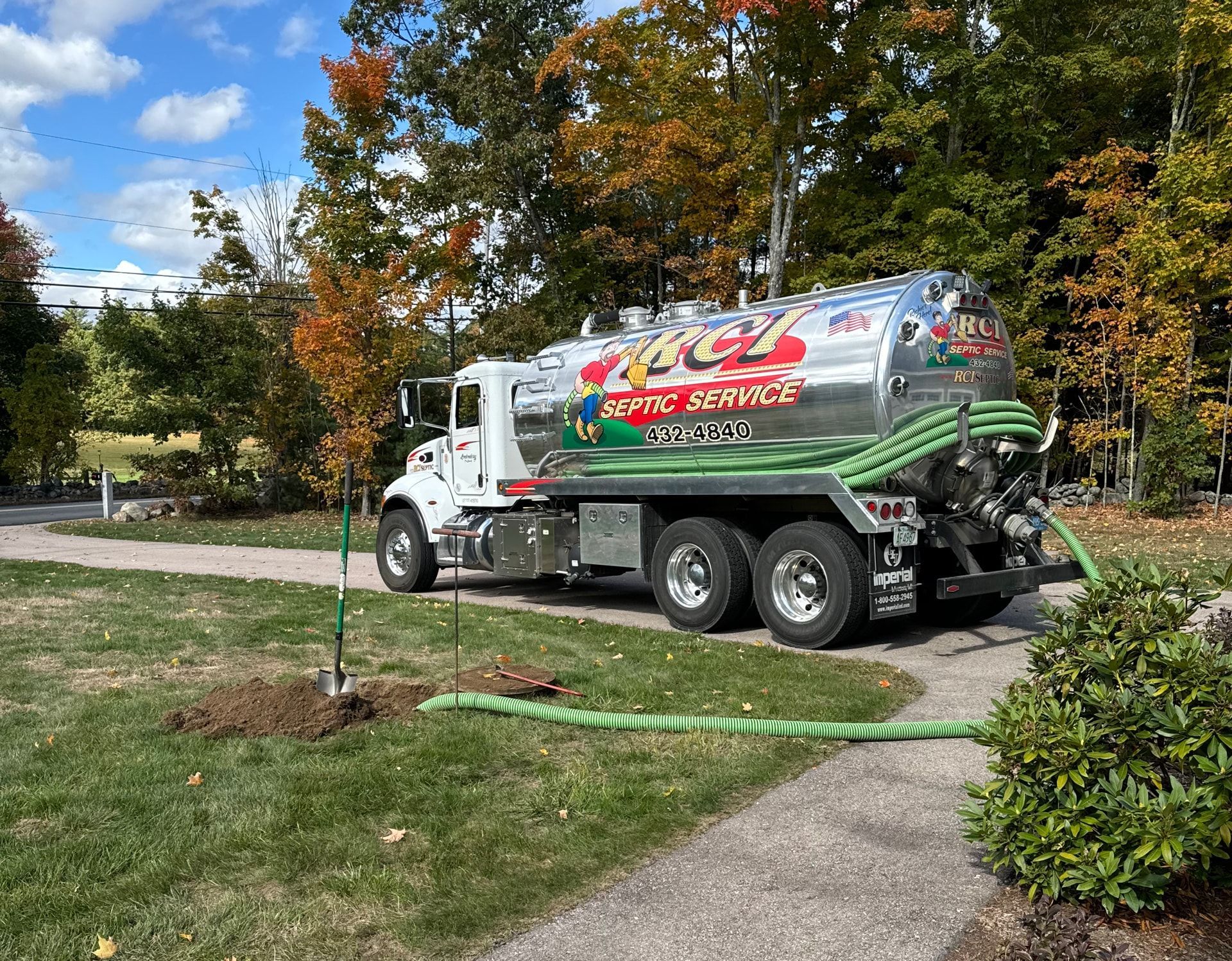
5. Your Action Plan—What to Do Right Now
Now that you understand septic odors, here's your practical action plan based on what you're experiencing.
If you're smelling septic odors today: Document the details by noting when you first noticed the smell, where it's strongest, weather conditions, and any other symptoms like slow drains or wet spots. Do a quick system check by walking your property to look for obvious issues such as standing water, unusually green grass patches, or visible damage to tank risers or lids. Check your plumbing vents on the roof from ground level with binoculars if needed to ensure they're clear of debris. Run water in all drains, flush every toilet, and pour water into floor drains to refill any dry P-traps. Review your maintenance records to determine when your tank was last pumped—NH systems typically need pumping every 2-5 years depending on household size and usage. Assess urgency using the framework above to determine if this is a wait-and-see situation or a call-now scenario.
For "wait and see" odors: Monitor for one week, take photos of the area if there are visual concerns, and note any changes in intensity, frequency, or location. If the odor persists beyond one week or worsens, call a professional.
For "call now" odors: Contact a licensed New Hampshire septic service provider immediately, reduce water usage until the system is inspected, keep people and pets away from areas with strong odors or wet spots, and don't attempt DIY repairs on septic components—these systems can be dangerous.
Preventive measures to minimize future odors: Stick to a regular pumping schedule (every 2-5 years for most households), have your system professionally inspected every 3 years, keep plumbing vents clear of debris, avoid driving or parking over septic components, don't plant trees or deep-rooted shrubs near your drain field, spread out laundry loads throughout the week rather than doing many loads in one day, use water-efficient fixtures to reduce strain on your system, and never pour fats, oils, grease, or harsh chemicals down drains.
Conclusion: Trust Your Nose, But Verify with Knowledge
Septic odors can range from minor nuisances to serious warning signs, and knowing the difference is essential for every New Hampshire homeowner. The good news is that armed with the information in this guide, you're now equipped to assess septic smells like a professional.
Remember the key principles: context matters, multiple symptoms are more concerning than isolated odors, and when in doubt, consult an expert. A properly maintained septic system should serve your home reliably for decades with minimal odor issues.
Don't let fear of expensive repairs prevent you from addressing legitimate concerns. Early intervention almost always costs less than emergency repairs, and many odor issues have simple, affordable solutions when caught early.
Ready to ensure your septic system is working properly? RCI Septic Service has been helping Londonderry and Southern New Hampshire homeowners maintain healthy, odor-free septic systems for over 30 years. Whether you need routine pumping, a system inspection, or diagnosis of concerning odors, our experienced technicians provide honest assessments and reliable service.
Contact RCI Septic Service today to schedule your septic system evaluation and enjoy peace of mind knowing your system is in expert hands.