Can You Flush Flushable Wipes? NH Septic Expert Says No
You've seen them in every grocery store and pharmacy across Southern New Hampshire—those convenient packages of "flushable" wipes promising the freshness of a shower with the ease of toilet paper. The label says flushable. The package reassures you they're safe for your plumbing. So why are septic professionals across New Hampshire pleading with homeowners to keep them out of the toilet?
The answer is simple, and it might save you from a messy, stressful septic emergency: despite what the packaging claims, flushable wipes are anything but safe for your septic system.
As septic service professionals who've spent decades rescuing Southern New Hampshire homeowners from preventable septic disasters, we're here to share the unfiltered truth about flushable wipes, what they're really doing to your system, and how to protect your home's wastewater infrastructure from one of the most common—and most preventable—causes of septic failure.
The "Flushable" Wipes Myth: What the Label Doesn't Tell You
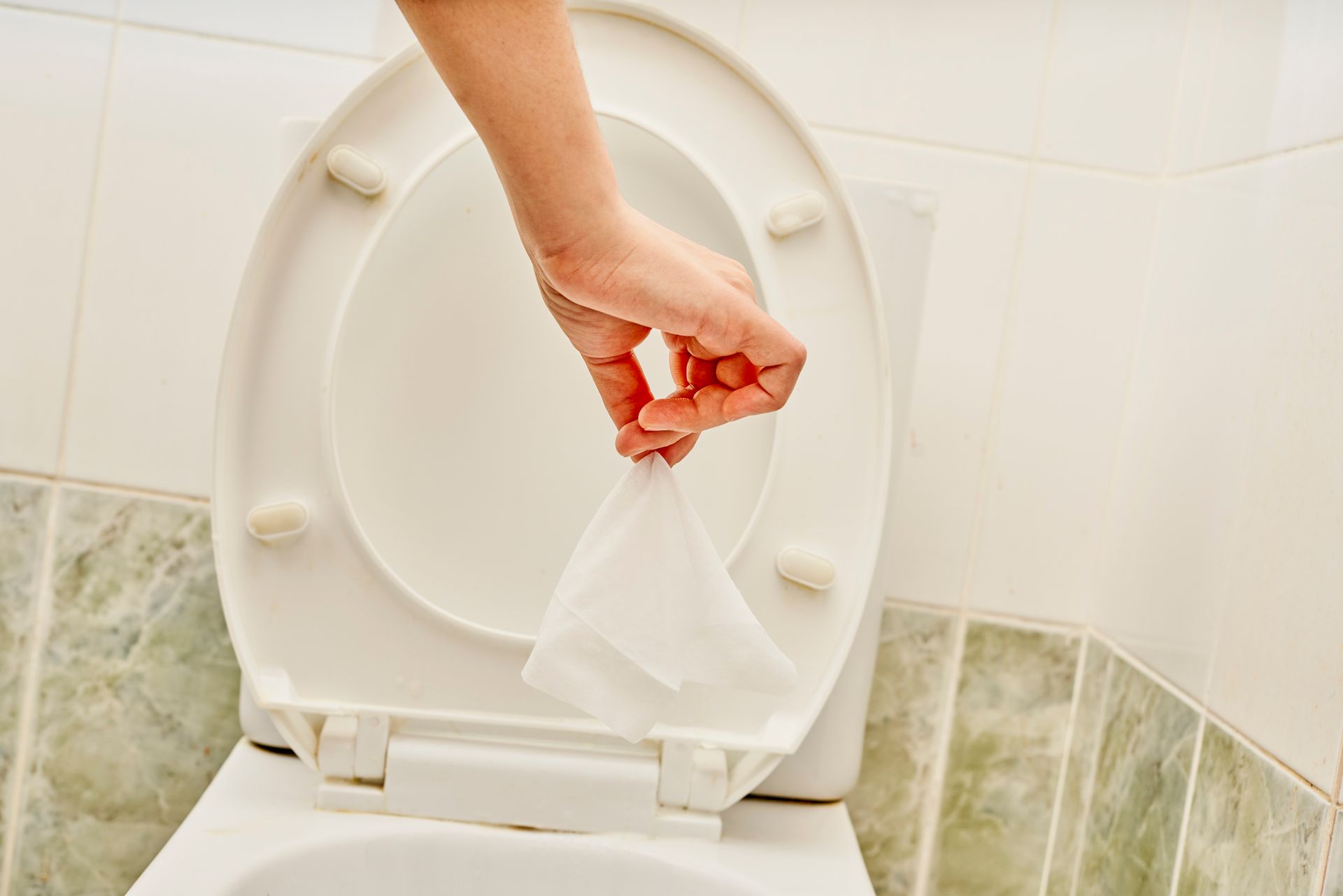
Here's what homeowners need to understand: the term "flushable" on a package of wipes doesn't mean what you think it means.
When manufacturers label wipes as flushable, they're technically accurate in one narrow sense—yes, the wipes will physically go down your toilet when you flush. They'll disappear from the bowl. But that's where the similarity to toilet paper ends, and where your septic system's nightmare begins.
Real toilet paper is specifically engineered to break down rapidly when exposed to water and the gentle agitation inside your septic tank. Within hours or days, quality toilet paper disintegrates into tiny fibers that easily flow through your system and eventually decompose in your drainfield.
Flushable wipes? They're made from synthetic fibers—often including plastics, rayon, and other materials designed to maintain their strength and texture even when wet. That's exactly why they work so well for cleaning. It's also exactly why they're catastrophic for septic systems.
Flushable Wipes Decomposition Time: The Shocking Reality
Independent testing has revealed what septic professionals have known for years: flushable wipes decomposition time is measured not in days or weeks, but in months or even years. Some wipes show virtually no breakdown even after six months submerged in water.
Compare that to septic-safe toilet paper, which begins breaking down within minutes and is largely decomposed within 24 hours. The difference isn't subtle—it's the difference between a product designed for your septic system and a product that will slowly destroy it.
What Happens When Flushable Wipes Enter Your Septic Tank
Understanding the brutal truth requires understanding what happens inside your septic system when non-decomposing materials enter the equation.
Your septic tank is designed as a carefully balanced ecosystem. Solid waste settles to the bottom forming a sludge layer, while fats and oils float to the top creating a scum layer. The clarified wastewater in the middle flows out to your drainfield. Beneficial bacteria work continuously to break down organic matter.
When flushable wipes enter this system, they don't follow the script:
They don't break down. Instead of decomposing like toilet paper, they remain intact, accumulating in your tank month after month.
They create dense masses. Wipes have a tendency to intertwine with each other and with other non-decomposing items (hair, feminine hygiene products, dental floss). These masses grow larger over time, creating what septic professionals call "ragging."
They block outlet baffles. As these masses float and shift within your tank, they frequently lodge in the outlet baffle—the critical component that allows clarified water to exit while keeping solids inside. A blocked baffle means wastewater can't properly exit your tank.
They clog distribution pipes. If wipes make it past your tank, they can block the distribution lines that carry wastewater to your drainfield, causing system backup and potentially expensive repairs.
Here in Southern New Hampshire, where seasonal ground movement and our characteristic clay soils already stress septic systems, adding the burden of non-decomposing wipes is asking for trouble.
Are Flushable Wipes Safe for Septic Systems? The Professional Verdict
Let's answer this question directly: No, flushable wipes are not safe for septic systems.
This isn't a matter of opinion or debate among septic professionals. It's a conclusion supported by decades of field experience, independent laboratory testing, and thousands of preventable service calls to homes where flushable wipes created serious system problems.
The manufacturers' claim that wipes are "septic-safe" relies on testing standards that don't reflect real-world septic system conditions. These tests often measure whether a wipe will pass through a straight pipe—not whether it will actually break down in a septic tank environment or safely move through a drainfield.
Professional organizations including the National Association of Wastewater Technicians have issued clear warnings: regardless of labeling, wipes should never be flushed if you have a septic system. The only thing that belongs in your toilet is human waste and toilet paper specifically designed for septic systems.
Septic Clog Symptoms from Wipes: Warning Signs You Shouldn't Ignore
If you've been flushing wipes—flushable or otherwise—you need to know the warning signs that your septic system is struggling. Catching these symptoms early can mean the difference between a routine pumping and a major system failure.
Slow draining throughout your home. If multiple fixtures are draining slowly—especially toilets, showers, and washing machines—wipes may be creating a blockage in your tank or outlet baffle.
Gurgling sounds from drains. When air can't properly vent through your plumbing because of a blockage, you'll hear gurgling or bubbling sounds when water drains or toilets flush.
Sewage odors inside or outside. Blockages prevent proper flow and create stagnant conditions that produce unmistakable sewage smells, particularly around drain openings or your tank access point.
Sewage backups. This is the emergency situation you want to avoid—wastewater backing up into your home through toilets, showers, or floor drains. If you're experiencing backups, stop all water use immediately and contact a septic professional.
Lush grass or standing water over your drainfield. When wipes or other materials block your system, wastewater may surface in your yard, creating soggy conditions and unusually green grass even during dry periods.
In Southern New Hampshire's climate, these symptoms often become more apparent during our wet spring months or after periods of heavy household water use. But regardless of when they appear, they demand immediate professional attention.

The New Hampshire Context: Why Our Climate Makes the Problem Worse
Southern New Hampshire's unique environmental conditions intensify the problems caused by flushable wipes.
Our freeze-thaw cycles create seasonal stress on septic systems as ground shifts and settling patterns change throughout the year. A septic system that's already struggling with wipe accumulation is more vulnerable to these seasonal stresses.
Our clay-heavy soils, common throughout Rockingham and Hillsborough counties, drain slowly under the best circumstances. When wipe-related blockages compromise your drainfield function, these soils become waterlogged more quickly, accelerating system failure.
Extended cold periods slow bacterial activity in your septic tank. Since bacteria are essential for breaking down organic waste, colder temperatures mean your system is already working at reduced efficiency. Adding non-decomposing wipes during these months is especially problematic.
Heavy spring runoff and summer storms can raise water tables, reducing the soil's capacity to absorb wastewater from your drainfield. If wipes have already compromised your system's efficiency, these seasonal water table changes can push a struggling system into outright failure.
Best Septic Safe Toilet Paper for New Hampshire Homes
If flushable wipes are off the table, what should Southern New Hampshire homeowners use instead?
The best septic-safe toilet paper shares several important characteristics:
It breaks down quickly. Look for toilet paper specifically labeled as "septic-safe" or "rapidly biodegradable." These products are tested to disintegrate quickly in water.
It's free from lotions and dyes. While quilted, scented, or lotion-infused toilet papers feel luxurious, they can contain chemicals that slow decomposition and interfere with bacterial action in your septic tank.
It's not overly thick. Ultra-plush, multi-ply toilet papers may be comfortable, but they take longer to break down. For septic systems, single or double-ply options labeled septic-safe are your best choice.
Several brands available at Southern New Hampshire retailers specifically market themselves as septic-safe and have been independently tested for rapid breakdown. Look for products that explicitly state "septic-safe" on the packaging and avoid anything labeled as "ultra-strong" or "long-lasting."
The Water Test: Verifying Your Toilet Paper Choice
You can verify your toilet paper's septic-safety at home with a simple test:
- Fill a clear jar halfway with water
- Add 4-5 sheets of your toilet paper
- Shake vigorously for 10 seconds
- Observe the results
Septic-safe toilet paper should begin breaking apart immediately and show significant disintegration after shaking. If the sheets remain largely intact, that product will likely create problems in your septic system over time.
What About "Septic-Safe" Wipes? The Fine Print
Some manufacturers now market wipes as "septic-safe" or formulated specifically for septic systems. Should you trust these claims?
Professional septic service providers remain skeptical, and with good reason. Even wipes marketed as septic-safe rarely break down at the same rate as toilet paper. Independent testing has shown that many "septic-safe" wipes still maintain structural integrity for weeks or months in water—far too long to be genuinely safe for septic systems.
The safest approach? Don't flush any wipes, regardless of labeling. Instead:
Use septic-safe toilet paper for all toilet needs. It's designed specifically for what you're trying to accomplish.
Keep a small trash can with a lid in your bathroom. If you prefer wipes for cleaning, dispose of them in the trash. A lidded container prevents odors and maintains bathroom aesthetics.
Consider bidet attachments. Many homeowners are discovering that bidet toilet seats or handheld bidet sprayers provide superior cleanliness without the septic system risks of wipes. They're widely available, relatively inexpensive, and completely septic-safe.
Common Misconceptions That Lead to Septic Emergencies
Over decades of serving Southern New Hampshire homeowners, we've heard certain myths repeated so often they deserve special attention:
Myth: "I only flush one or two wipes per day—that can't cause problems."
Reality: Wipes accumulate over time. Even occasional flushing means dozens or hundreds of wipes in your tank over months and years. Since they don't decompose, every single wipe you've ever flushed is potentially still in your system.
Myth: "My system is newer, so it can handle flushable wipes."
Reality: Modern septic systems are more efficient, but they still rely on bacterial decomposition and proper flow dynamics. Synthetic wipes defeat both, regardless of when your system was installed.
Myth: "I have a garbage disposal and use strong toilet paper, so my system can handle anything."
Reality: Garbage disposals actually increase the solid waste load in your septic system and should be used sparingly. Adding non-decomposing wipes multiplies the problem rather than solving anything.
Myth: "The package says 'flushable' and 'septic-safe'—they wouldn't be allowed to lie."
Reality: Product labeling standards for wipes are self-regulated by manufacturers and don't reflect real-world septic system performance. The claims are technically legal but practically misleading.
Myth: "I'll just have my tank pumped more often if I use wipes."
Reality: While regular pumping is essential (more on the proper schedule below), it doesn't fully address wipe-related problems. Wipes can still clog outlet baffles, distribution boxes, and drainfield lines between pumpings, causing system failure that pumping alone won't prevent or fix.
Protecting Your System: Essential Maintenance and Best Practices
Beyond avoiding flushable wipes, Southern New Hampshire homeowners should follow these best practices to protect their septic investment:
Follow the Proper Pumping Schedule
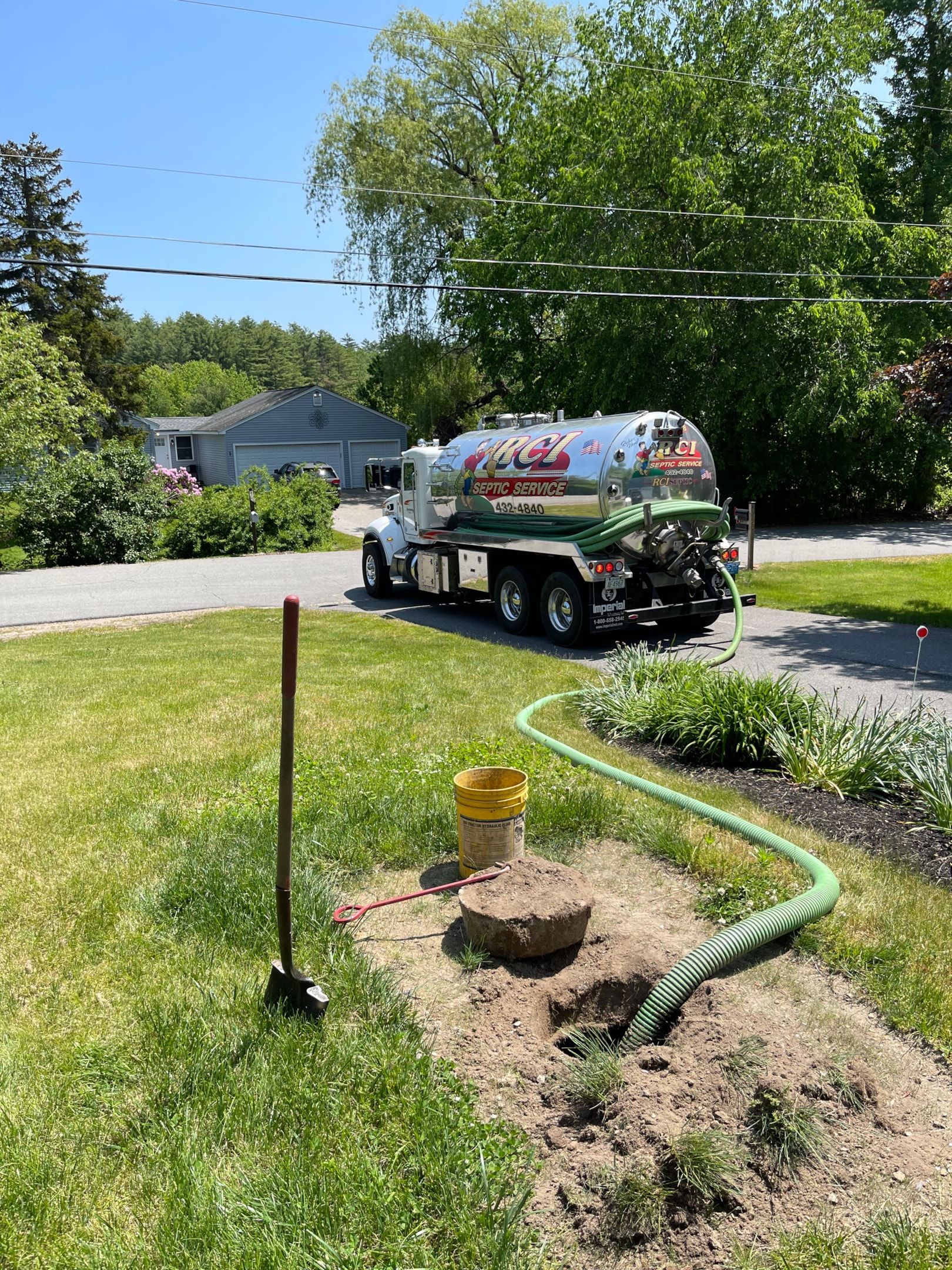
Regular septic pumping is essential to system longevity and preventing costly failures. RCI Septic Service recommends the following schedule based on household size:
- Households of 5 or more people: yearly pumping
- Households of 3–4 people: every 2 years
- Households of 1–2 people: every 3 years
This schedule ensures solid waste is removed before it accumulates to problematic levels, regardless of what enters your system.
Only Flush the Three P's
A helpful rule for septic system owners: only flush pee, poop, and (septic-safe) paper. Everything else belongs in the trash, including:
- All types of wipes (flushable, baby, personal hygiene, or cleaning wipes)
- Feminine hygiene products
- Dental floss
- Cotton swabs and cotton balls
- Medication
- Paper towels
- Cigarette butts
- Food waste
- Cat litter
Mind Your Water Usage
Excessive water use can overwhelm your drainfield and reduce treatment effectiveness. This is especially important in Southern New Hampshire where clay soils drain slowly. Spread laundry throughout the week rather than doing multiple loads in one day, repair leaking toilets promptly, and consider high-efficiency fixtures.
Protect Your Drainfield
Never park vehicles or place heavy equipment over your drainfield—the weight compacts soil and can crush distribution pipes. Avoid planting trees or deep-rooted shrubs near your drainfield, as roots can infiltrate and block pipes.
What to Do If You've Been Flushing Wipes
If you've been flushing wipes and are now concerned about your system, here's what to do:
Stop flushing them immediately. The first step is preventing additional accumulation. Switch to septic-safe toilet paper and dispose of all wipes in the trash going forward.
Monitor for warning signs. Watch for the symptoms mentioned earlier—slow drains, gurgling sounds, odors, or any changes in how your plumbing functions.
Schedule a professional inspection. A septic professional can inspect your system, check for blockages, and assess whether damage has occurred. Early detection of problems is always less expensive than emergency repairs.
Consider having your tank pumped. Even if you're not yet due based on the schedule above, pumping your tank can remove accumulated wipes and give your system a fresh start. During pumping, the technician can also inspect your outlet baffle and other components for wipe-related damage.
Be honest with your septic professional. Let them know you've been flushing wipes. This information helps them understand what to look for and provide appropriate recommendations.
The good news? Many homes that have been flushing wipes for limited periods can recover fully once the practice stops and the tank is properly pumped. The key is addressing the issue before minor accumulation becomes major system failure.
The Real Cost: What Wipes Can Cost Your Home
While pricing is specific to each job, it's worth understanding the potential consequences of wipe-related septic failure:
Pumping and inspection are routine, straightforward services performed on a regular schedule. They're essential preventive maintenance that protects your system.
Repairing damaged outlet baffles, clearing blocked distribution boxes, or excavating clogged drainfield lines are emergency services that require significantly more time, equipment, and expertise.
Complete drainfield replacement—which may be necessary if wipe accumulation causes system failure—is a major undertaking requiring excavation, new materials, soil replacement, and potentially permitting.
The difference between routine maintenance and emergency repair is substantial. Avoiding flushable wipes is one of the simplest, most effective ways to ensure you're only paying for routine maintenance over your septic system's lifespan.
Your Next Steps: Protecting Your Southern New Hampshire Home
The brutal honest truth about flushable wipes is this: they're a marketing success and a septic system disaster. The convenience they promise isn't worth the risk they pose to your home's wastewater infrastructure.
As Southern New Hampshire homeowners, you face unique challenges—clay soils, freeze-thaw cycles, variable water tables, and weather extremes that stress septic systems throughout the year. The last thing your system needs is the additional burden of non-decomposing synthetic materials accumulating in your tank.
The solution is straightforward:
- Use only septic-safe toilet paper designed to break down rapidly
- Keep a lidded trash can in your bathroom for any wipes you prefer to use
- Follow the proper pumping schedule based on your household size
- Watch for warning signs of septic stress
- Schedule professional inspections when concerns arise
Your septic system is a significant investment in your home and your family's health. Protecting it from preventable damage—including damage from flushable wipes—is one of the most cost-effective decisions you can make as a homeowner.
Get Expert Guidance for Your Septic System
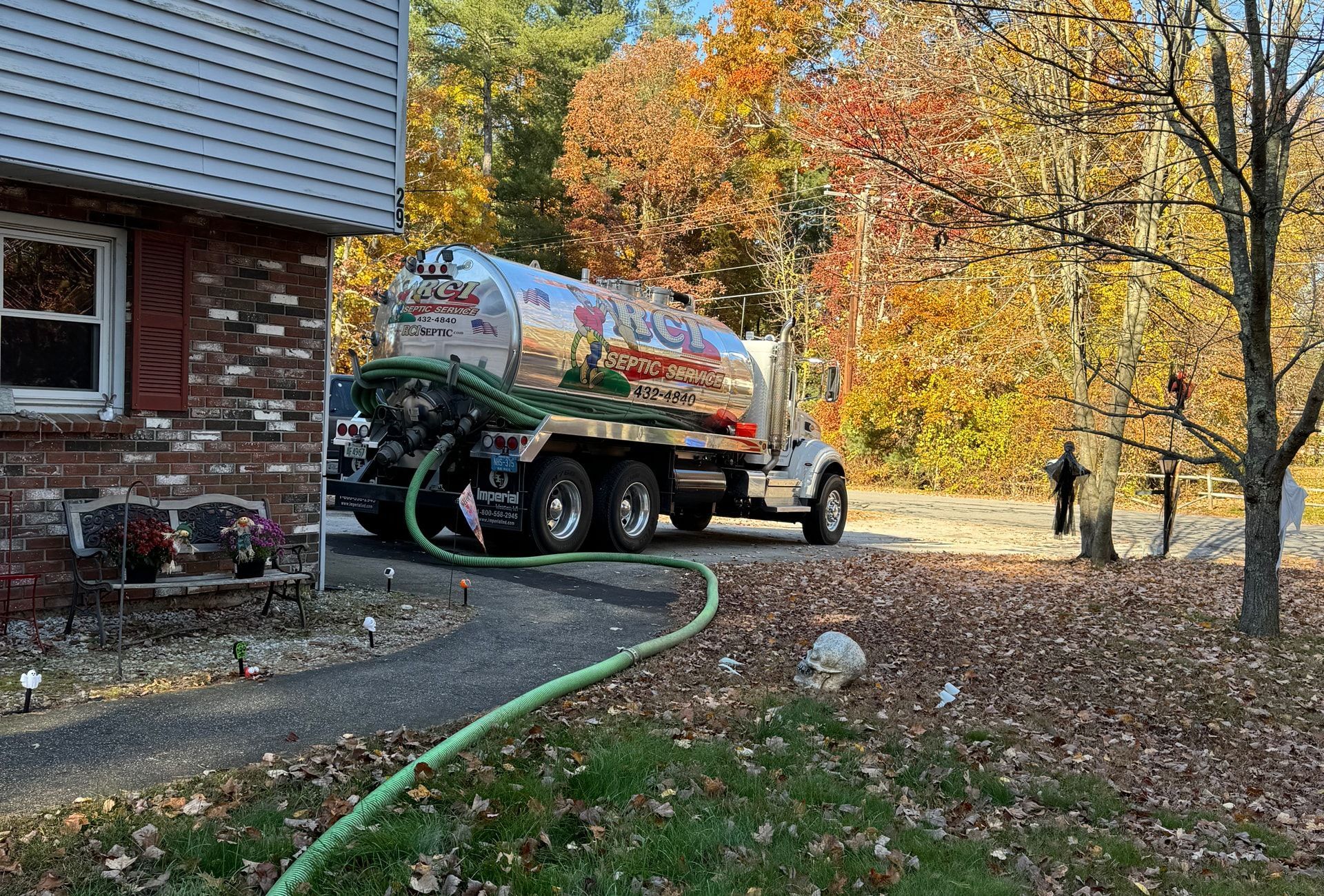
If you have questions about your septic system's health, need to schedule routine pumping, or want professional advice about any aspect of septic system care, RCI Septic Service is here to help.
Our team has served Southern New Hampshire homeowners for decades, providing honest, reliable septic services backed by extensive local knowledge and genuine commitment to customer education. We believe informed homeowners make better decisions about their septic systems—and better decisions mean healthier systems, fewer emergencies, and greater peace of mind.
Contact RCI Septic Service today at 603-432-4840 or visit www.rciseptic.com to schedule an inspection, ask questions, or set up your routine maintenance. We're your neighbors, your local experts, and your partners in protecting your home's most important infrastructure.