The Hidden Costs of Skipping Septic Pumping: Why "Saving Money" Costs More
For most homeowners in Londonderry and Southern New Hampshire, managing a household budget requires making difficult choices. When everything from property taxes to grocery bills is rising, it is natural to look for line items to cut. Often, the "invisible" maintenance tasks—like pumping the septic tank—are the first to be postponed. It is easy to assume that if the toilets are flushing and the drains are clearing, the septic system is working fine.
However, postponing this critical maintenance is rarely a true saving. In reality, it is usually a loan taken out against the future health of your property, often with an exorbitant interest rate. The difference between the cost of septic system replacement vs maintenance is staggering, yet many homeowners do not realize the financial risk they are taking until it is too late.
This article breaks down the financial reality of septic ownership. We will explain exactly what happens inside your tank when pumping is delayed, how that neglect translates into massive repair bills, and why the most frugal choice you can make is actually to spend money on routine care.
The Deceptive Savings of "One More Year"
The logic seems sound at first glance. If you are scheduled to pump your tank every two years, but you push it to three or four, you keep that cash in your pocket for a little longer. If you don't experience a backup during that extra year, it feels like a win.
The problem is that septic failure is not linear. It does not degrade a little bit at a time in a way you can see or smell. It functions perfectly until the moment the biology and physics of the tank are overwhelmed, at which point the damage is often catastrophic and irreversible.
Your septic tank is designed to hold solids (sludge) at the bottom and grease (scum) at the top, allowing relatively clear water (effluent) to flow out to the leach field. As sludge accumulates, it reduces the "retention time"—the amount of time wastewater sits in the tank to separate. When you skip a pump-out, the sludge layer rises. Eventually, there is not enough room for the water to settle. When this happens, solids and grease are pushed out of the tank and directly into your leach field.
This is where the "saving money" strategy backfires. You haven't saved the cost of a pumping; you have simply moved the waste from a concrete tank, where it is easy and cheap to remove, to the soil of your yard, where it is nearly impossible to remove.
Understanding the Cost of Septic System Replacement vs Maintenance
To understand the financial stakes, one must compare the price of a routine service call against the price of a total system overhaul. While we do not discuss specific dollar amounts because every property and contract is different, the ratio is generally consistent across the industry.
A routine maintenance pump-out is a minor household expense, comparable to other annual maintenance tasks like servicing a furnace or sealing a driveway. It is a predictable, manageable cost that keeps the system functioning as designed.
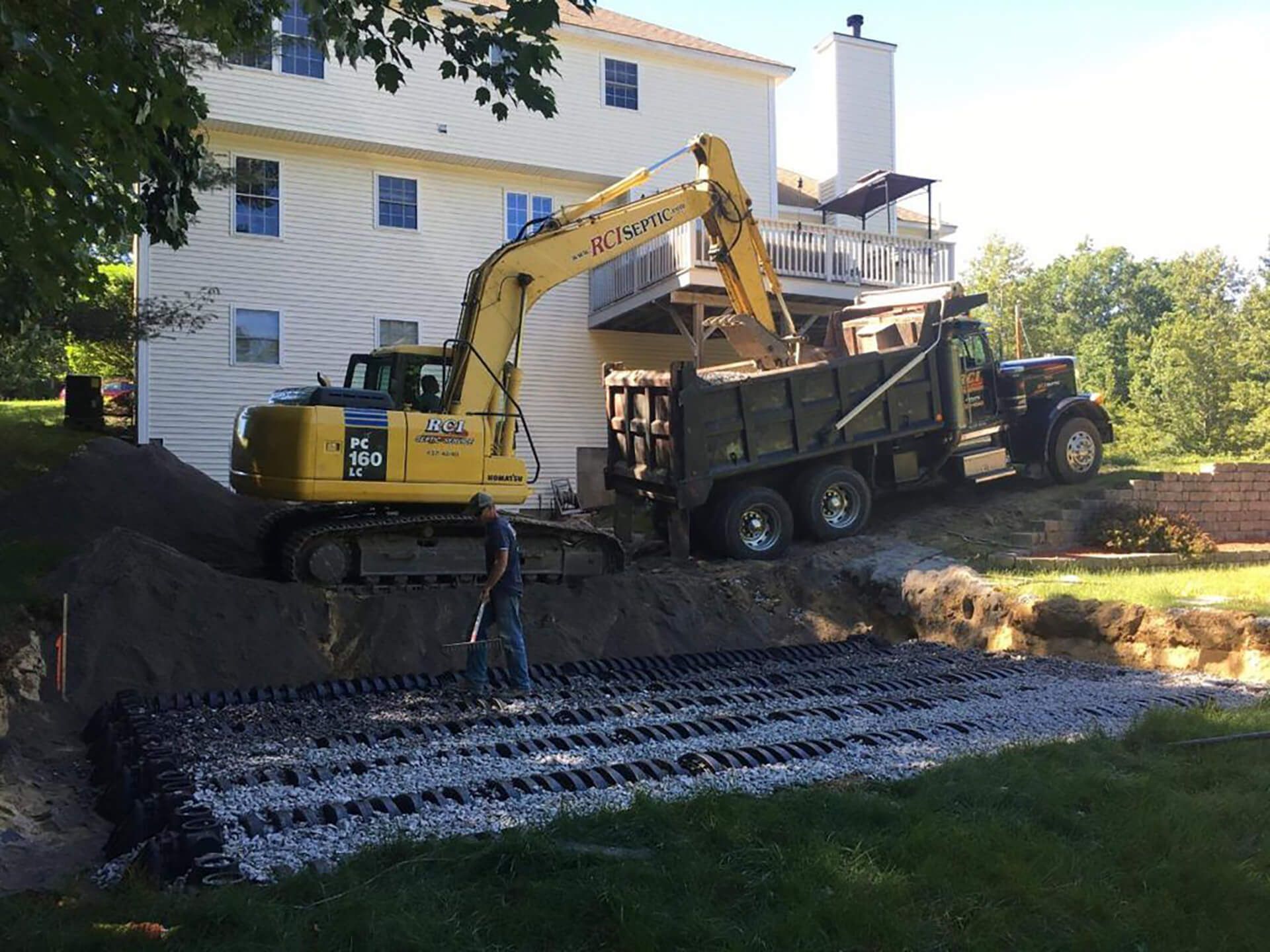
In contrast, replacing a septic system is a major construction project. It involves excavation, engineering designs, town permits, heavy machinery, and the purchase of new tanks, piping, and specialized sand or stone. The cost of septic system replacement vs maintenance is not a matter of double or triple the price; replacement often costs fifty to one hundred times more than a single pumping service.
When you look at these numbers over the lifespan of a home, the math becomes clear. You could pump your tank faithfully for forty years and still spend significantly less than the cost of one premature leach field replacement.
The Leach Field: The Most Expensive Component
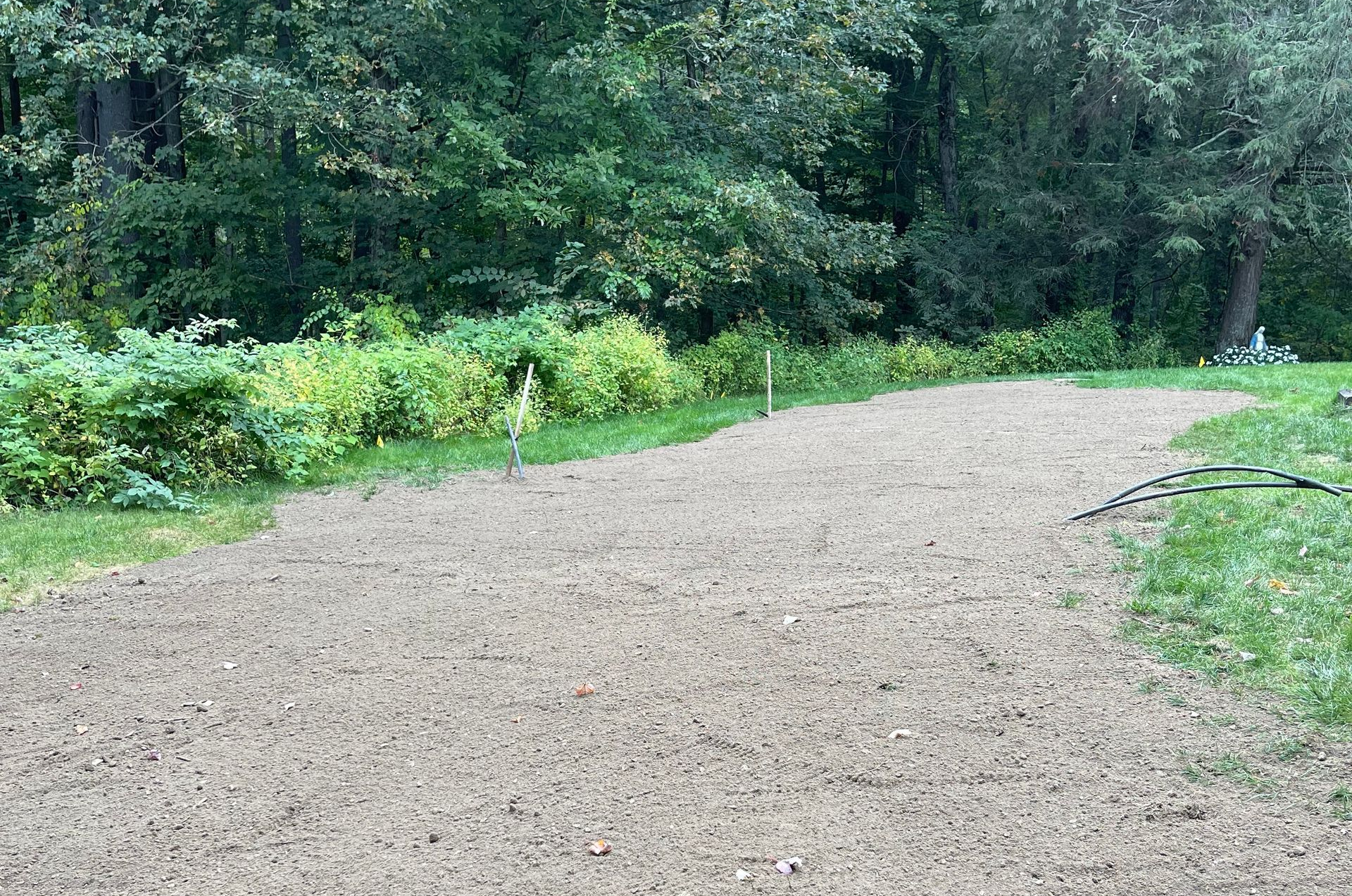
The reason replacement is so expensive is rarely the tank itself; it is the leach field (or drain field). This is the area of your yard where wastewater is treated by the soil. It is the engine of your septic system, and it is also the most vulnerable component.
When solids escape the tank because of missed pumping, they enter the perforated pipes of the leach field. These solids clog the tiny pores in the soil and encourage the growth of a thick, slimy bacterial layer called "biomat." While some biomat is normal, excessive solids cause it to grow so thick that water can no longer pass through it.
Once a leach field has failed in this way, it cannot simply be "cleaned out." The soil itself is ruined. The only solution is to dig up the yard, remove the contaminated soil and materials, and install a brand-new field. In many cases, current environmental codes in New Hampshire may require a raised system or a more complex design than what was originally installed, further driving up the expense.
The Domino Effect on Property Value
Beyond the immediate construction costs, neglecting your septic system can have a devastating impact on your home’s equity. For families in Southern New Hampshire looking to move, the septic inspection is often the most nerve-wracking part of the real estate transaction.
If you have skipped pumping for years, a savvy inspector will likely find evidence of stress in the system. They may find high sludge levels, evidence of backflow from the field, or saturation in the yard. If the system fails inspection, the sale of the home can fall apart instantly.
In this scenario, the homeowner is often forced to replace the system before the sale can close, or they must place a significant amount of money—often tens of thousands of dollars—into an escrow account to cover the repairs. This effectively strips that money directly out of the profit from the home sale. The few hundred dollars "saved" by skipping maintenance years ago suddenly results in a massive loss at the closing table.
Emergency Calls vs. Routine Service
There is another hidden cost to consider: the premium for emergency services. Septic problems rarely announce themselves during convenient business hours. They tend to happen on Thanksgiving morning, during a graduation party, or late on a Sunday night when the house is full of guests.
When a neglected system backs up into the basement, the homeowner is no longer in a position to shop around or schedule a convenient time. They need help immediately. Emergency service calls, especially on weekends or holidays, often carry a premium price tag. Furthermore, the damage caused by sewage backing up into the home—ruining carpets, drywall, and flooring—adds another layer of expense that could have been avoided with routine care.
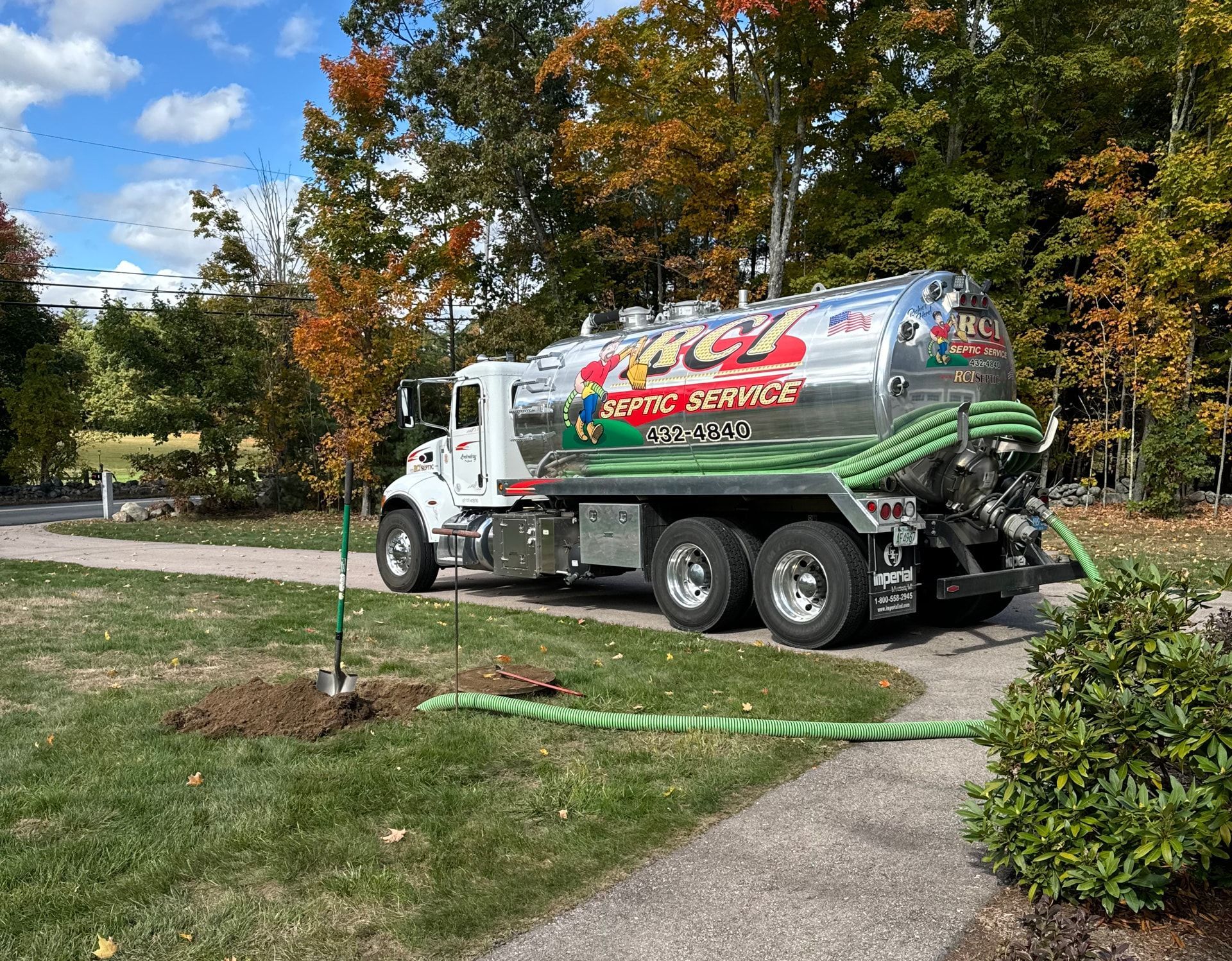
Scheduling a pump-out on your own terms allows you to budget for the expense and avoid the panic and price premiums associated with a crisis.
The Environmental Liability
While the financial costs are the primary focus of this article, there is a regulatory aspect that also carries financial risk. A failed septic system that discharges untreated sewage onto the ground or into local waterways is a violation of state environmental laws.
If a neighbour reports a smell, or if visible sewage is detected on your property, local health officers or state environmental agencies can issue cleanup orders. These orders compel the homeowner to fix the problem within a specific timeframe. This removes your ability to negotiate or wait for better pricing; you are legally required to spend the money immediately to rectify the health hazard.
Frequently Asked Questions
1. Is the cost of septic system replacement vs maintenance really that different?
Yes, the difference is substantial. While prices vary based on location and system size, a maintenance pump-out is a routine operational expense, while a replacement is a major capital improvement project. You can think of it like the difference between an oil change for your car and replacing the entire engine. The labor, materials, engineering, and permitting required for replacement make it one of the most expensive home repairs a New Hampshire homeowner can face, dwarfing the cost of decades of routine pumping.
2. Can I use additives to dissolve the sludge so I don't have to pump?
We strongly advise against relying on additives as a substitute for pumping. There is no chemical or enzyme on the market that eliminates the need to physically remove the inorganic solids and sludge from your tank. In fact, some harsh additives can break down the sludge layer effectively enough to send those solids flowing out into your leach field, actually accelerating the failure of the system. The only way to remove the material safely is to have a vacuum truck pump it out.
3. How do I know if I have waited too long to pump?
Unfortunately, you often won't know until damage has started. A septic tank can look perfectly fine from the outside even when it is dangerously full of solids. By the time you see symptoms like slow drains, gurgling toilets, or wet spots in the yard, the solids may have already migrated into the leach field. This is why following a schedule (typically every 2–3 years) is safer than waiting for symptoms to appear. If you are unsure, an inspection can measure the sludge layers to determine if you are overdue.
4. If I skipped pumping for 5 years, is my system definitely ruined?
Not necessarily, but you are likely operating in the "danger zone." The impact depends on the size of your tank, the number of people in your home, and your water usage habits. If you have a large tank and a small family, you might be lucky. However, the risk increases with every month you delay. The best course of action is to schedule a pump-out immediately and ask the technician to inspect the inlet and outlet baffles for signs that solids have been escaping. Catching it now is better than waiting another year.
5. How does pumping actually prevent the leach field from failing?
The leach field fails when the soil becomes clogged with solids, grease, and biomat. Your septic tank acts as a filter to keep those solids back. Pumping resets that filter. By removing the accumulated sludge and scum, you ensure that only treated liquid effluent flows out to the field. This clean liquid can be easily absorbed by the soil. Pumping essentially buys your leach field more time by preventing the clogging agents from ever reaching it.
Conclusion
It is tempting to view septic pumping as a grudge purchase—something you have to pay for but get no enjoyment from. However, a shift in perspective reveals that it is actually one of the best investments you can make in your home's financial security.
The cost of septic system replacement vs maintenance is a comparison that always favors the proactive homeowner. By sticking to a regular schedule, you are protecting your bank account from the devastating expense of a total system failure. You are preserving your property value, avoiding emergency premiums, and ensuring that your home remains a safe and sanitary place to live.
Do not let the illusion of short-term savings lead to long-term financial pain. Treat your septic system like the valuable utility it is, and it will serve your family reliably for decades.
Resource
For homeowners looking for additional information or professional support related to this topic, RCI Septic Service offers septic-related services and resources. Learn more at https://www.rciseptic.com/.