Buying or Selling Lakefront Property in NH? The Septic Evaluation Law Explained
If you're buying or selling a home on a lake, pond, river, or the coast in New Hampshire, the septic system gets extra attention before closing. State law requires a septic evaluation for many waterfront sales, and the rules changed in September 2024. This guide explains the NH waterfront septic evaluation law in plain English: who it applies to, who's responsible, and what happens with the results.
It's written for homeowners, buyers, and sellers with septic systems near the water. Knowing the steps early keeps the sale on schedule and helps everyone avoid surprises.
What the NH Waterfront Septic Evaluation Law Requires
The law is RSA 485-A:39. It applies when a "developed waterfront property" is sold and any part of its septic system is within 250 feet of the water's reference line. A developed property is one with a home or other building suitable for living in, whether seasonal or year-round.
"Any part" matters. Even if the house sits well back from the shore, the evaluation is required if the tank, the leach field (the area where treated liquid soaks into the soil), or the piping falls inside that 250-foot zone.
Which waterbodies count?
The law ties into New Hampshire's Shoreland Water Quality Protection Act. According to NHDES, the protected waters include:
- Lakes, ponds, and impoundments larger than 10 acres
- Year-round streams and rivers of fourth order or higher (larger rivers fed by several smaller tributaries)
- Coastal waters affected by the tide, including the Great Bay Estuary
What is the reference line?
NHDES describes the reference line as the edge of the waterbody at its full volume. For lakes and ponds, it's set by the surface elevation listed on the state's Consolidated List of Waterbodies. That means the line isn't always where the water happens to be on the day you visit.
If you aren't sure whether a property qualifies, check the list or ask NHDES before you sign a purchase agreement.
What Changed in 2024
House Bill 1113 took effect on September 1, 2024. Before that, sellers were responsible for arranging a site assessment. Now the buyer is responsible for the evaluation, and the seller's job is to allow it.
A lot of older articles and checklists still describe the old process. If a guide tells you the seller must order a site assessment, or uses a 200-foot distance, it's likely out of date. The current statute is the one to follow.
Who Does What: Buyers and Sellers
The buyer's responsibilities
Under the current law, the buyer must:
- Hire a New Hampshire licensed septic system evaluator, at the buyer's expense
- Have the evaluation completed before the property transfers
- Hire a New Hampshire permitted septic designer too, if the system was never approved by the state or was approved before September 1, 1989
Licensed evaluators are overseen by the NH Board of Septic System Evaluators through the Office of Professional Licensure and Certification.
The seller's role
Sellers aren't required to order the evaluation anymore, but they do need to give the buyer access to the property and the system. A seller can still choose to have an evaluation done ahead of time. The buyer may accept it if it was completed within 180 days of the transfer, and the buyer must acknowledge that in writing.
For sellers, having system records ready makes the process easier. That includes the state approval for construction or operation, past pumping receipts, and any repair history. If you need help tracking those down, our guide on what to know about septic inspections when buying or selling a home in NH walks through it.
What the Evaluation Looks At
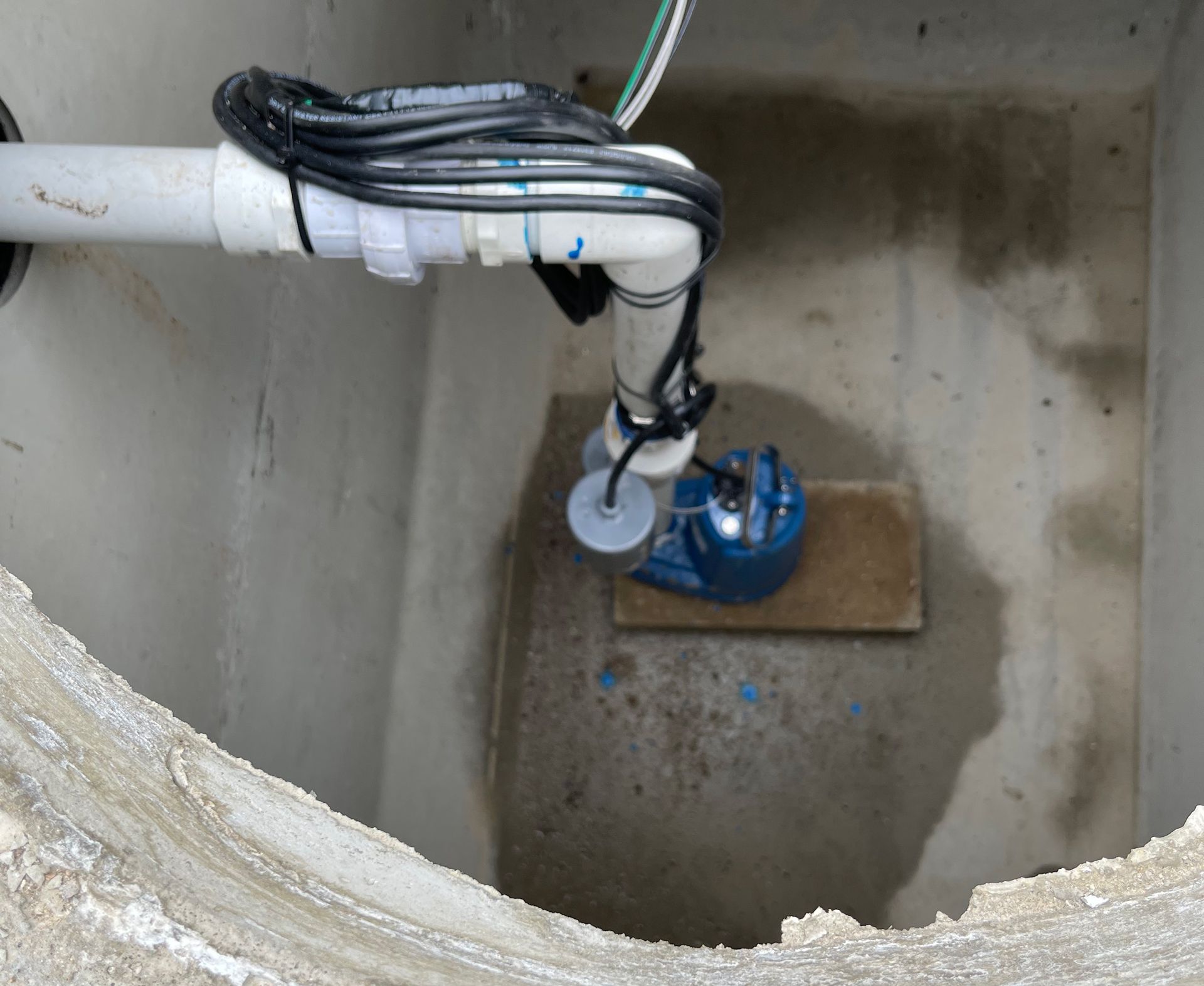
The evaluator checks the condition and function of the system: the tank, the leach field, and how wastewater moves between them. The goal is to document the system's current condition and spot signs of failure.
For older or unapproved systems, the permitted designer adds one more check. They compare the elevation of the bottom of the leach field to the seasonal high water table, which is the highest level groundwater typically reaches during the year. If the leach field sits too close to groundwater, the soil can't filter effluent (the liquid that leaves the tank) properly before it reaches the water. Near a lake or river, that separation is what protects water quality.
What Happens With the Results

The findings don't stop the sale
A poor evaluation doesn't block the sale. The findings are disclosed to the buyer as notice of possible system limitations, and the two parties can decide how to move forward. Buyers and sellers can use the results to plan repairs or adjust terms. Our post on what happens if a septic system fails a real estate inspection in NH covers those options in more detail.
If the system is failing
If the evaluation finds the system is failing or showing signs of failure, the law sets out clear next steps:
- The buyer authorizes the evaluator to notify NHDES and the local health officer.
- The buyer replaces the system within 180 days of the transfer.
- The buyer files a report with NHDES and the local health officer, including a copy of the state operating approval for the new system.
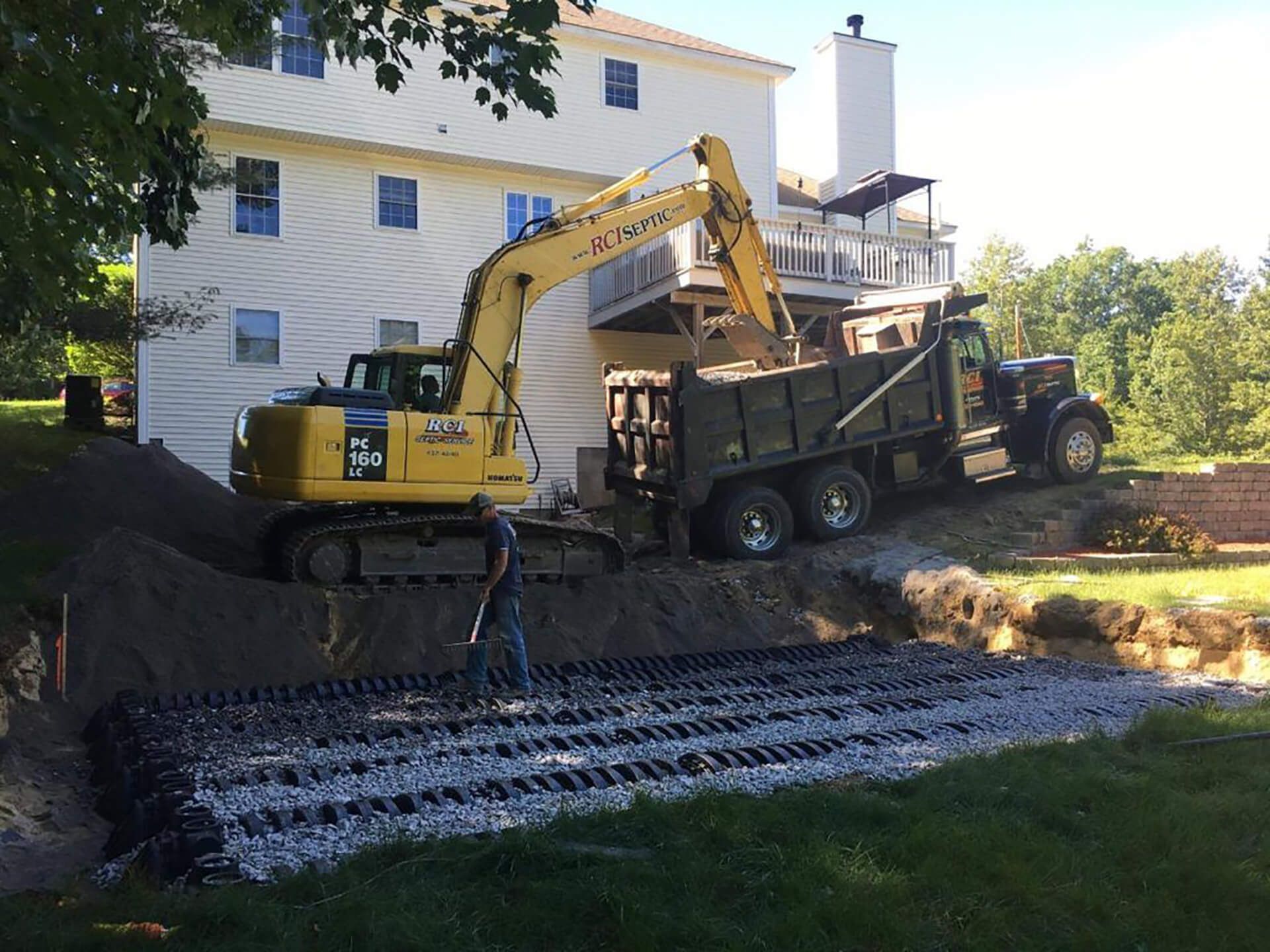
A replacement needs a state-approved design and permits, so it helps to start planning right after closing. Our septic repair and replacement page explains how that work fits together.
The replace-instead option
A buyer who already plans to replace or repair the system can skip the evaluation. To do that, the buyer notifies NHDES and the local health officer before the transfer that no evaluation was done because the system will be replaced. The buyer then completes the work and files a report with the state operating approval within 180 days of closing.
Extensions
If something outside the buyer's control delays the evaluation or the replacement, or makes the seller's evaluation more than 180 days old, NHDES must grant an extension of up to 180 days when asked.
Tips for a Smooth Lakefront Closing
- Confirm early whether the law applies. Measure from the reference line, not today's water's edge.
- Book the evaluator soon after your offer is accepted. That leaves room to schedule it well before closing.
- Gather records. State approvals, pumping receipts, and repair history help the evaluator and answer the 1989 approval question quickly.
- Locate the tank and lids. Easy access saves time on evaluation day.
- Build the 180-day window into your plans. If replacement is likely, line up a designer and installer before closing.
Frequently Asked Questions
Does every NH lakefront home need a septic evaluation before it’s sold?
No. The law applies when a developed waterfront property uses a septic system and any part of that system is within 250 feet of the reference line of a protected lake, pond, river, or coastal water. Homes on town sewer, and homes with every part of the system outside the 250-foot zone, aren’t covered.
Who pays for the waterfront septic evaluation in New Hampshire?
The buyer. Since September 1, 2024, the buyer hires a New Hampshire licensed septic system evaluator at their own expense. A buyer can accept a seller’s evaluation instead if it was completed within 180 days of the transfer and the buyer accepts it in writing.
Can a lakefront home still be sold if the septic system fails the evaluation?
Yes. The findings don’t prohibit the sale. They’re disclosed to the buyer, and if the system is failing, the buyer must replace it within 180 days of the transfer and file a report with NHDES and the local health officer.
What does the 1989 date mean for my septic system?
If the system was never approved by the state, or was approved before September 1, 1989, the buyer must also hire a New Hampshire permitted septic designer. The designer checks whether the bottom of the leach field sits far enough above the seasonal high water table.
How do I know if my pond or river is covered by the law?
For lakes and ponds, check whether the waterbody is larger than 10 acres and appears on the NHDES Consolidated List of Waterbodies. Rivers are covered if they’re fourth order or higher, and coastal waters are covered if they’re affected by the tide. NHDES can confirm if you’re unsure.
Moving Forward With Confidence
The NH waterfront septic evaluation law isn't meant to stop a sale. It makes sure buyers know what they're getting and that systems near our lakes and rivers work the way they should. Buyers now lead the evaluation, sellers provide access and records, and both sides benefit from starting early. If a system needs replacement, the 180-day window gives the new owner a clear, manageable timeline.
RCI Septic Service is a family-owned septic company in Londonderry, serving homeowners across Southern New Hampshire. We help with septic pumping, inspections, installation, and repair and replacement. You can learn more at rciseptic.com.