Epsom Salts & Septic Systems: Complete Safety Guide
Are Epsom Salts Safe for Your Septic System?
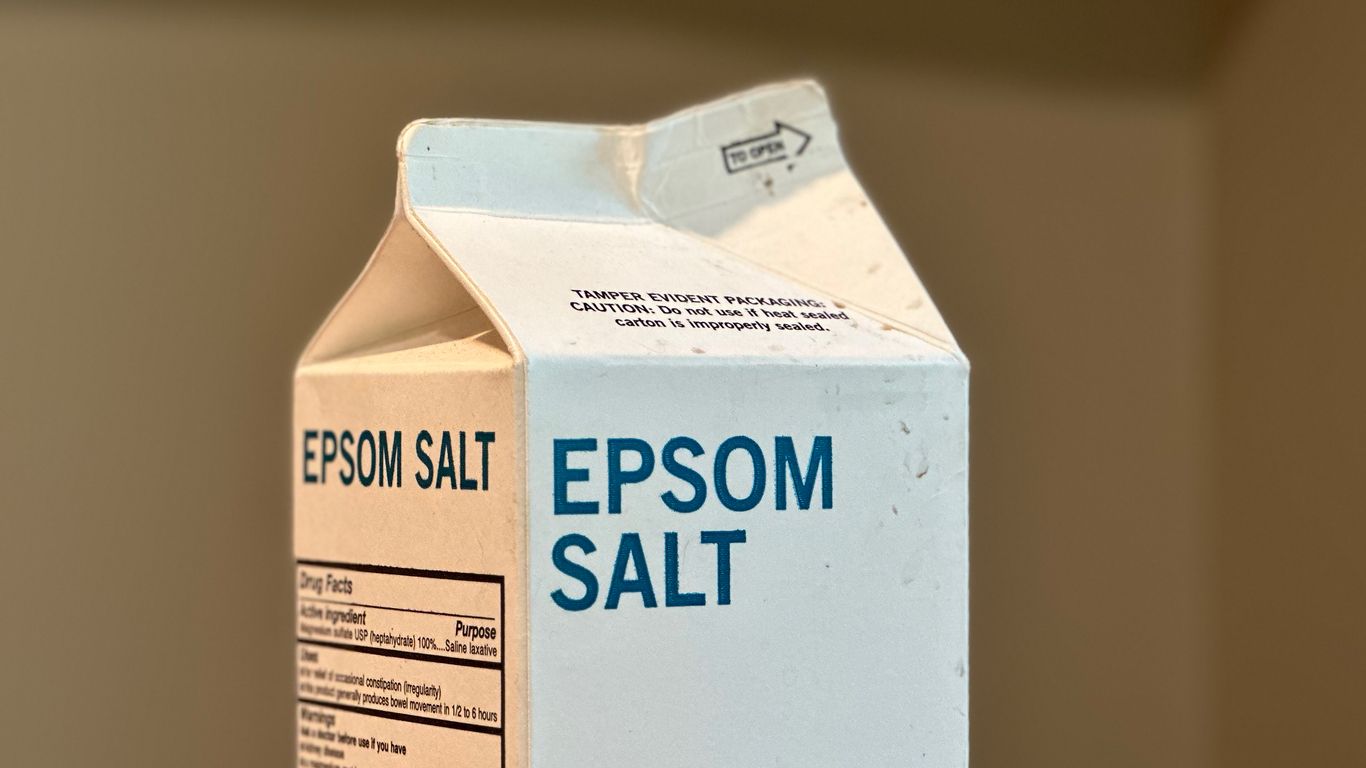
Epsom salts are perfectly safe for septic systems when used in normal household amounts. Unlike sodium chloride (table salt) or other salts that can disrupt septic bacteria and soil structure, epsom salt is magnesium sulfate—a completely different chemical compound that won't kill bacteria or harm your system's microbial activity.
At RCI Septic Service, our four generations and 25+ years of experience serving southern New Hampshire have confirmed that epsom salts pose no threat to properly functioning septic systems. In fact, we've observed an added benefit: the magnesium from epsom salt actually improves drain field soil health, supporting better plant growth in your leach field area. While we are not encouraging adding epsom salts as treatment to your septic system, we wanted to let you know that normal use of this product will not harm your septic system.
The key difference lies in chemistry. While harsh chemicals and toxic substances can devastate the essential bacteria that break down human waste in your septic tank, epsom salt dissolves completely and flows through your plumbing and septic systems without disrupting the delicate microbial balance that keeps your system running smoothly.
Understanding Epsom Salts and Septic System Chemistry
Epsom salt is magnesium sulfate heptahydrate (MgSO₄·7H₂O), containing approximately 10% magnesium and 13% sulfur by weight. When you dissolve epsom salt in your bathtub or bathroom sink, it separates into magnesium and sulfate ions that remain stable in water—unlike other salts that can precipitate and cause stubborn clogs in your plumbing.
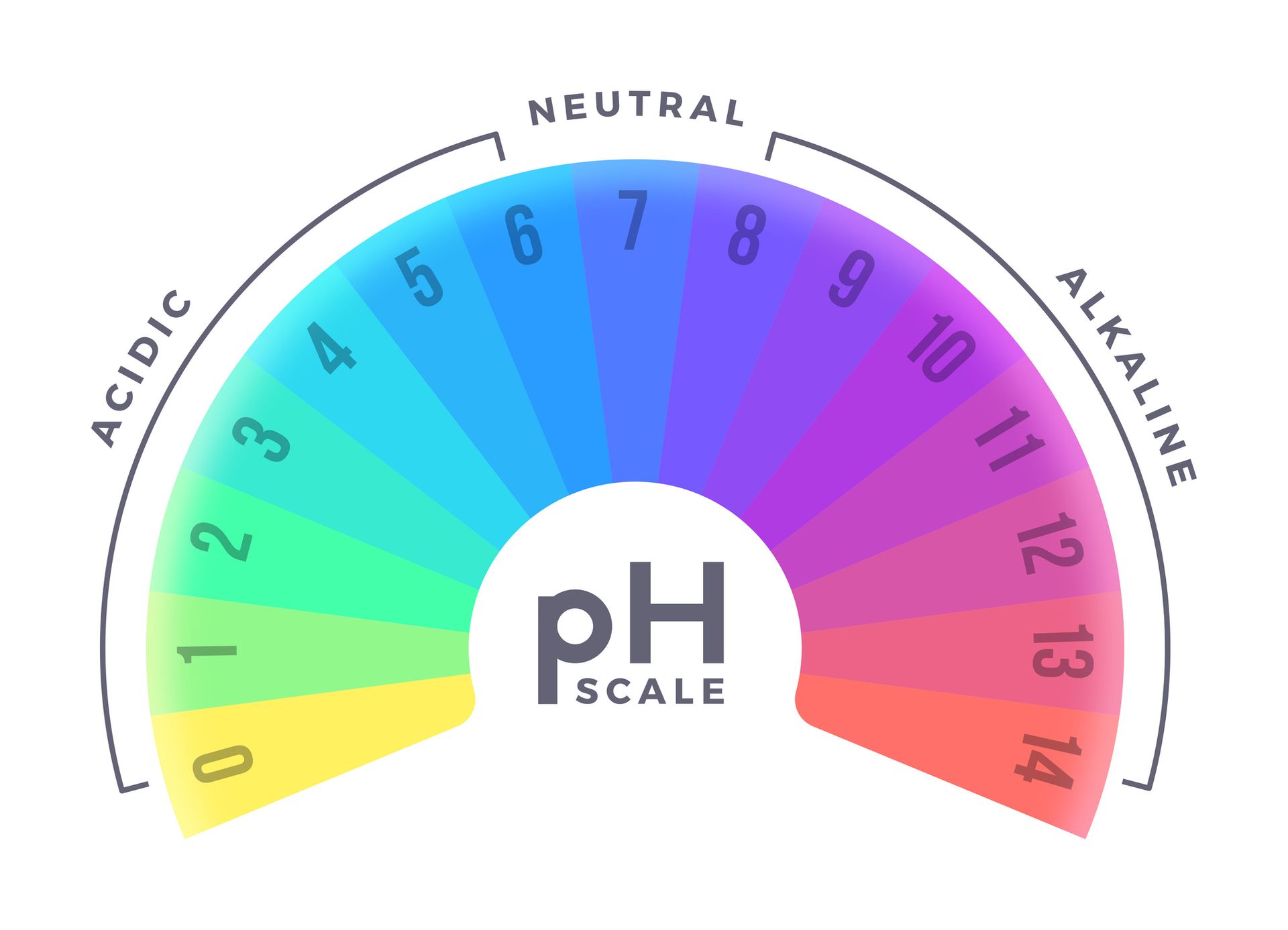
This chemical composition makes epsom salts fundamentally different from sodium chloride and other problematic substances. The magnesium and sulfate ions maintain natural pH neutrality, keeping your septic tank's environment within the optimal 6.5-7.5 range that beneficial bacteria need to effectively process solids and wastewater.
Most people don't realize that their septic drain field actually benefits from the magnesium in epsom salt. As the effluent flows from your tank into the surrounding soil, this magnesium enriches the ground, improving soil structure and supporting healthier plant growth—from lawn grass to garden tomatoes—in your yard.
Impact on Septic Bacteria and System Function
Your septic system relies on three types of bacteria working together: aerobic bacteria that process waste near the surface, anaerobic bacteria that break down solids in the tank's depths, and facultative bacteria that adapt to changing oxygen levels. These microbes form a complex ecosystem that transforms human waste into harmless effluent.
Scientific research shows that epsom salts don't disrupt this bacterial activity even in large quantities. Studies indicate that concentrations would need to exceed 2000 grams per liter to cause any harm—that's roughly equivalent to dissolving 35 pounds of epsom salt in a standard bathtub, far beyond any reasonable household use.
For perspective, a typical relaxing soak uses 1-2 cups of epsom salt in a 200-liter bathtub—that's only about 5-10 grams per liter, well under the threshold where any negative effects occur. At RCI Septic Service, we've never encountered a system damaged by normal epsom salt use, even in households that enjoy regular therapeutic baths.
The bacteria in your tank continue their essential work of breaking down solids and processing sewage regardless of dissolved epsom salt in the wastewater. This stability protects your system's function and prevents the backup of waste that could flood your bathroom or damage your pipes.
Proper Usage Guidelines for Septic System Owners
Safe epsom salt usage centers on complete dissolution and reasonable quantities. Add 1-2 cups of epsom salt to your bathtub while filling with hot water, allowing the crystals to dissolve completely before you soak. This ensures no undissolved particles collect in your drain or pipes where they might combine with grease, oils, or other substances to form clogs.
Frequency matters less than technique. Whether you enjoy nightly therapeutic baths or weekly relaxation sessions, proper dissolution prevents accumulation in your plumbing system. Always let the tap run for a few seconds after draining your tub to flush any residual particles through the pipes.
Watch for signs of overuse: if you notice your drain flowing slower than usual or detect unusual stains around fixtures, you may be using too large an amount or not dissolving the salt completely. Pour gallons of hot water down the drain to flush the system, and reduce your epsom salt quantity for future baths.
Never flush dry epsom salt crystals down toilets or pour large quantities directly into drains. Even septic safe substances can cause problems when introduced in their solid form, particularly in older plumbing systems with rougher pipe surfaces where particles might collect.
pH Balance and Septic System Health
Maintaining proper pH balance is crucial for septic system health, and epsom salts actually help stabilize this critical factor. The optimal pH range for septic tanks falls between 6.5-7.5—slightly acidic to neutral—which allows bacteria to thrive and effectively process waste.
Unlike bath bombs containing citric acid or other chemicals that can shift pH dramatically, epsom salt maintains neutrality in your septic tank environment. This stability protects the bacteria that break down solids and prevents the acidic conditions that can kill essential microbes or the alkaline conditions that slow waste decomposition.
The magnesium in epsom salt provides an added benefit for your septic drain field and leach field areas. This essential nutrient improves soil structure, supporting better water filtration and creating healthier growing conditions for plants in your yard. Many homeowners notice improved grass growth and garden productivity in areas near their drain field after regular epsom salt use.
Contrast this with harsh chemicals like bleach, toxic drain cleaners, or antibacterial soaps that can push your system's pH outside the safe range. These substances kill beneficial bacteria and disrupt the natural processes that keep your septic system functioning properly.
What to Avoid: Harmful Alternatives and Combinations
While epsom salt is septic safe, many bath products pose serious threats to your system. Dead Sea salts contain high sodium chloride concentrations that can damage soil structure and harm the bacteria in your septic tank. Pink Himalayan salts and other mineral salts may contain trace elements that accumulate in your system over time.
Bath bombs present the greatest danger to septic systems. These colorful products typically contain oils, artificial fragrances, glitter, and other non-biodegradable substances that float as scum in your tank, clog your drain field, and kill bacteria. Essential oils, while natural, can also disrupt microbial activity and coat the surfaces where bacteria need to attach and grow.
Never mix epsom salt with oil-based bath products, bubble baths, or laundry additives in your tub. These combinations can create sticky residues that collect in your pipes and trap other debris, leading to stubborn clogs that require professional attention. Keep your epsom salt baths simple—just the salt and water.
Avoid septic additives marketed alongside epsom salt. Products claiming to "boost" your septic bacteria or "clean" your tank often contain toxic chemicals or unnecessary enzymes that can disrupt your system's natural balance. Your septic tank already contains all the bacteria it needs; adding more is typically counterproductive and sometimes harmful.
Warning Signs Your Septic System Needs Attention
Even with septic safe practices, every system eventually needs professional maintenance. Watch for slow drainage from your bathtub, toilets, or bathroom sinks—this often indicates early problems with your tank or drain field that require expert diagnosis.
Sewage odors around your house, especially near the septic tank or leach field area, signal that your system isn't processing waste effectively. These smells can indicate anything from a full tank needing pumping to damaged pipes requiring repair. Don't ignore these warning signs or try to mask them with air fresheners.
Pooling water or unusually lush, wet grass over your septic area suggests effluent isn't properly filtering through your drain field soil. This backup can contaminate your yard and groundwater, creating health hazards that demand immediate professional attention from experienced septic specialists.
At the first sign of any of these issues, contact RCI Septic Service for a thorough inspection. Our family has been diagnosing and solving septic problems in southern New Hampshire for over 25 years, and we can quickly identify whether you're dealing with a simple maintenance need or a more serious system problem.
RCI Septic Service's Professional Maintenance Recommendations
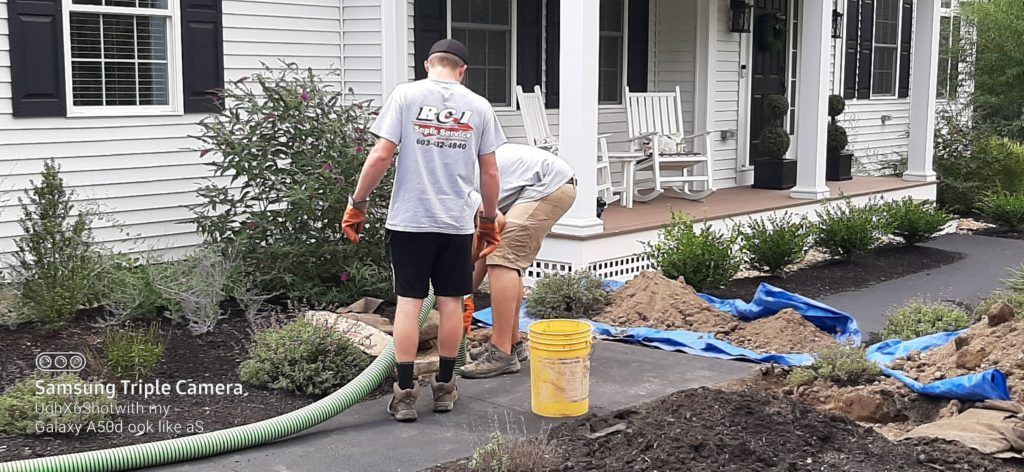
Regular pumping remains the most important factor in septic system health, regardless of what substances flow through your tank. RCI Septic Service recommends yearly pumping for households of 5 or more people, every 2 years for 3-4 people, and every 3 years for 1-2 people. This schedule prevents solids from accumulating and flowing into your drain field where they can cause expensive damage.
During each pump and inspection, our certified technicians examine your tank's condition, check for proper bacterial activity, and ensure your system is processing waste effectively. We can detect early signs of problems—from failing baffles to damaged outlet pipes—before they become costly emergency repairs.
Annual inspections complement your pumping schedule by monitoring your system's overall health. We check liquid levels, examine the scum and sludge layers, and verify that beneficial bacteria are thriving in your tank environment. This proactive approach prevents most septic failures and extends your system's lifespan significantly.
Our comprehensive maintenance program includes education for your entire family about what can and cannot safely go down your drains. From septic safe cleaners to proper toilet paper choices, we help you protect your investment through informed daily decisions that support your system's long-term health.
Expert Tips from Four Generations of Septic Experience
Rich, Carolyn, and Kyle at RCI Septic Service have encountered virtually every septic scenario across southern New Hampshire's diverse soil conditions and housing types. One common misconception we address is that epsom salt can replace regular septic maintenance—this is absolutely false. While epsom salts are safe to use, they don't break down accumulated solids or eliminate the need for professional pumping and inspection.
Seasonal considerations matter more than most homeowners realize. Winter's frozen ground can stress your septic drain field, while spring's heavy rains can overwhelm systems that aren't properly maintained. Summer's increased water usage from gardens, pools, and extra guests requires attention to your system's capacity. Fall preparation helps prevent freeze-ups that can damage pipes and pumps.
We recommend keeping a simple log of your epsom salt usage alongside other household chemicals. This information helps us diagnose any unusual conditions during routine maintenance and ensures your system continues operating efficiently. Note dates, quantities, and any changes in your system's performance.
Integration with our full-service approach means we consider your epsom salt use as part of your overall septic strategy. From initial system installation through ongoing maintenance and eventual replacement, we design our recommendations around your family's actual usage patterns, including therapeutic bath routines that improve your quality of life.
Protecting Your Investment with Professional Care
A properly maintained septic system should last 20-30 years, representing a significant investment in your property. Regular maintenance costs a fraction of system replacement—typically $300-500 annually versus $15,000-25,000 for a new installation. Protecting this investment through professional care makes financial sense for every homeowner.
RCI Septic Service offers the complete range of solutions your system needs throughout its lifespan. Our installation services create properly designed systems that handle your family's waste load efficiently. Our repair expertise addresses problems quickly before they escalate into expensive emergencies. Our replacement services provide modern, environmentally friendly systems when upgrades become necessary.
Beyond basic maintenance, we provide septic ejector pump installation and repair for basement bathrooms, complete system diagnostics using the latest technology, and 24/7 emergency services when urgent problems arise. This comprehensive approach means one trusted local company handles all your septic needs.
Contact RCI Septic Service today at our Londonderry, NH location for professional septic maintenance that protects your family's health and your property's value. Visit https://www.rciseptic.com to learn more about our services and schedule your next inspection. With four generations of experience and a commitment to customer satisfaction, we provide the peace of mind that comes from professional septic system management.