
How to Find Septic Tank Records: NH Homeowner Guide
Finding septic tank records is essential for homeowners to maintain their systems properly, ensure compliance with regulations, and protect their property investment. Whether you're a new homeowner in Londonderry, planning maintenance, or preparing for a property sale, having access to your septic system documentation can save you time, money, and potential headaches down the road.
What Are Septic Tank Records and Why You Need Them
Septic tank records encompass all documentation related to your septic systems, including installation permits, inspection reports, and pumping maintenance logs. These records contain critical information such as system specifications, tank size, location maps, and drain field layouts that help determine the best approach for routine maintenance and repairs.
In New Hampshire, septic tank maintenance records include several key components. Installation permits show when your system was installed and what building permits were required. Most septic tanks also have associated soil percolation test results, which determine how wastewater drains through your property's soil. Property records may include a septic tank map showing exactly where your tank is located relative to your house, typically measured in feet underground from specific reference points.
Legal requirements for septic record keeping in New Hampshire mandate that most counties maintain these records for public access. This documentation helps with maintenance scheduling - for example, RCI Septic Service recommends yearly pumping for households of 5 or more people, every 2 years for 3-4 people, and every 3 years for households of 1-2 people. Having accurate records ensures you can follow the proper pumping schedule based on your specific tank capacity and household size.
Records also prove invaluable during property sales, as buyers often request septic system documentation to understand what they're purchasing. Additionally, if you experience sewer backups or need to connect to the main sewer line, having proper documentation can streamline the process with your local health department.
Contact Your Local Health Department
The New Hampshire Department of Environmental Services (DES) serves as the primary record keeper for septic systems throughout the state. Local health departments in Londonderry, Derry, and surrounding areas also maintain detailed records that can help you locate your system and understand its specifications.
When contacting your county health department, you'll need specific information to request your records efficiently. Prepare your property address, parcel number from your property survey map, and owner identification. Most states require this information to ensure they're providing records to the rightful property owner or authorized representative.
Processing times typically range from 5-10 business days for record requests, though some departments can provide basic information over the phone if you're simply trying to determine whether records exist. Fees ranging from $10-25 are standard for certified copies of septic permits and inspections, though initial searches to confirm record existence are often free.
The county health department can provide comprehensive information about your septic tank, including whether it's made of concrete or fiberglass, how many feet underground the tank is located, and the date when the system was originally installed. They can also access inspection records that show the condition of your system during previous evaluations.

Search Online Databases and Digital Records
The New Hampshire OneStop Database contains septic system permits for most systems installed since 1990, making it an excellent starting point for your search. This database allows you to search by address and can provide immediate access to basic system information without waiting for formal records requests.
Town clerk offices with digitized building permits records often include septic system information as part of the overall property development documentation. Many residential properties built after 1985 will have some form of digital record available through these municipal databases.
Property assessment databases maintained by most counties may include septic system information as part of the property's infrastructure details. These databases typically allow you to search using your address or tax map number, providing a comprehensive view of all systems and equipment associated with your property.
To search online databases effectively, start with your exact property address and note any septic system references in the results. Look for permit numbers, installation dates, and system specifications. If your search yields limited results, try searching by the names of previous property owners, as records may be filed under the original owner's name.
Keep in mind that online records have limitations, particularly for systems installed before 1985 when digital record-keeping was less common. Older systems may require contacting the health department directly or reviewing physical property records to locate documentation.
Review Property Documentation and Deeds
Home inspection reports from your property purchase or recent evaluations often contain detailed septic system information, including tank location, estimated capacity, and condition assessments. These reports frequently include sketches or measurements that help locate your tank, typically noting distances from your house, basement access points, or other fixed landmarks.
Property surveys and site plans that show septic system locations are invaluable for understanding your system layout. These documents often indicate the exact location of your tank and drain field, measured from property lines and structures. Most residential properties include septic system markings on official surveys, particularly for homes built after regulatory requirements became more stringent.
Previous owner records, maintenance receipts, and pumping service logs can provide a wealth of information about your system's history. Look through any documentation transferred during property purchase, including utility bills that might reference septic service providers, and receipts that show pumping frequency and any repairs that have been performed.
Real estate closing documents that may reference septic compliance certificates are particularly important, as they often include the most recent professional inspection results. These documents typically confirm that the septic system was functioning properly at the time of property transfer and may include recommendations for future maintenance.
Homeowner association records for developments with shared septic management can contain detailed information about system design, maintenance schedules, and shared responsibilities. In such developments, the HOA often maintains comprehensive records that individual homeowners might not have access to otherwise.
Contact Previous Septic Service Providers
Local septic companies like RCI Septic Service maintain extensive customer databases that often provide the most detailed and up-to-date information about your system. These service providers keep detailed pumping service records that show tank size, condition assessments, and maintenance history spanning many years.
Installation contractors who originally installed your system may have copies of original permits and designs, including detailed specifications about your tank's capacity, depth, and drain field layout. These contractors often retain copies of soil probe test results and installation notes that can help you understand how your system was designed to handle wastewater from your specific property.
To identify service providers, start by checking any maintenance receipts you might have, then ask neighbors for recommendations about who services their septic systems in your area. Local companies often service entire neighborhoods, so your neighbors can be an excellent resource for identifying who might have records of your system.
Information available in service records includes pumping frequency recommendations based on your household size, any repairs that have been performed, and assessments of system condition during routine maintenance visits. These records often include notes about access points, whether risers are installed to ground level, and any challenges technicians have encountered when servicing your system.
Professional service providers can also help you create new documentation if historical records are limited. For example, during routine pumping, technicians can measure your tank dimensions, assess soil conditions around the drain field, and provide updated location maps that serve as current documentation of your system.
What Information You'll Find in Septic Records
Septic tank records typically contain tank specifications including size (most septic tanks range from 1000-1500 gallons), material composition (concrete, fiberglass, or older steel tanks), and installation date. This information helps determine appropriate pumping schedules and expected system lifespan.
Drain field design documentation includes soil percolation test results that show how quickly wastewater absorbs into your property's soil. These test results, measured using a metal soil probe, help determine system capacity ratings and ensure your septic system can handle wastewater from your house without creating environmental problems.
Inspection reports provide pass/fail status assessments and required maintenance recommendations. These reports often note the condition of system components, including tanks, pipes, and drain fields, helping you plan for future repairs or upgrades.
Location maps show precise distances from wells, property lines, and structures, ensuring your system meets regulatory setback requirements. These maps typically indicate how many feet underground your tank is located and provide reference points for locating access covers or inspection ports.
Most records also include pumping schedule recommendations based on household size and usage patterns. Understanding these recommendations helps you maintain your system properly and avoid costly emergency repairs resulting from neglected routine maintenance.
When Records May Be Limited or Missing
Systems installed before 1970 often have limited documentation, as record-keeping was less standardized during that era. Many older rural properties have systems that predate modern permitting requirements, making official records difficult or impossible to locate through traditional channels.
In cases where historical records are unavailable, professional septic companies like RCI Septic Service can help establish baseline records through comprehensive system evaluations. These evaluations typically include locating and accessing your tank, measuring capacity, assessing component condition, and creating new documentation that serves as a starting point for future maintenance planning.
Creating new documentation through professional inspections involves several steps. First, technicians locate your tank using various methods, including following the main sewer line from your house and using equipment like a soil probe to identify buried components. Once located, they can measure your system, assess its condition, and provide updated specifications.
Professional documentation services are particularly valuable for older systems where original installation details are unknown. These services create comprehensive records that include tank location maps, capacity assessments, and maintenance recommendations tailored to your specific system and household needs.
Using Records for Maintenance Planning
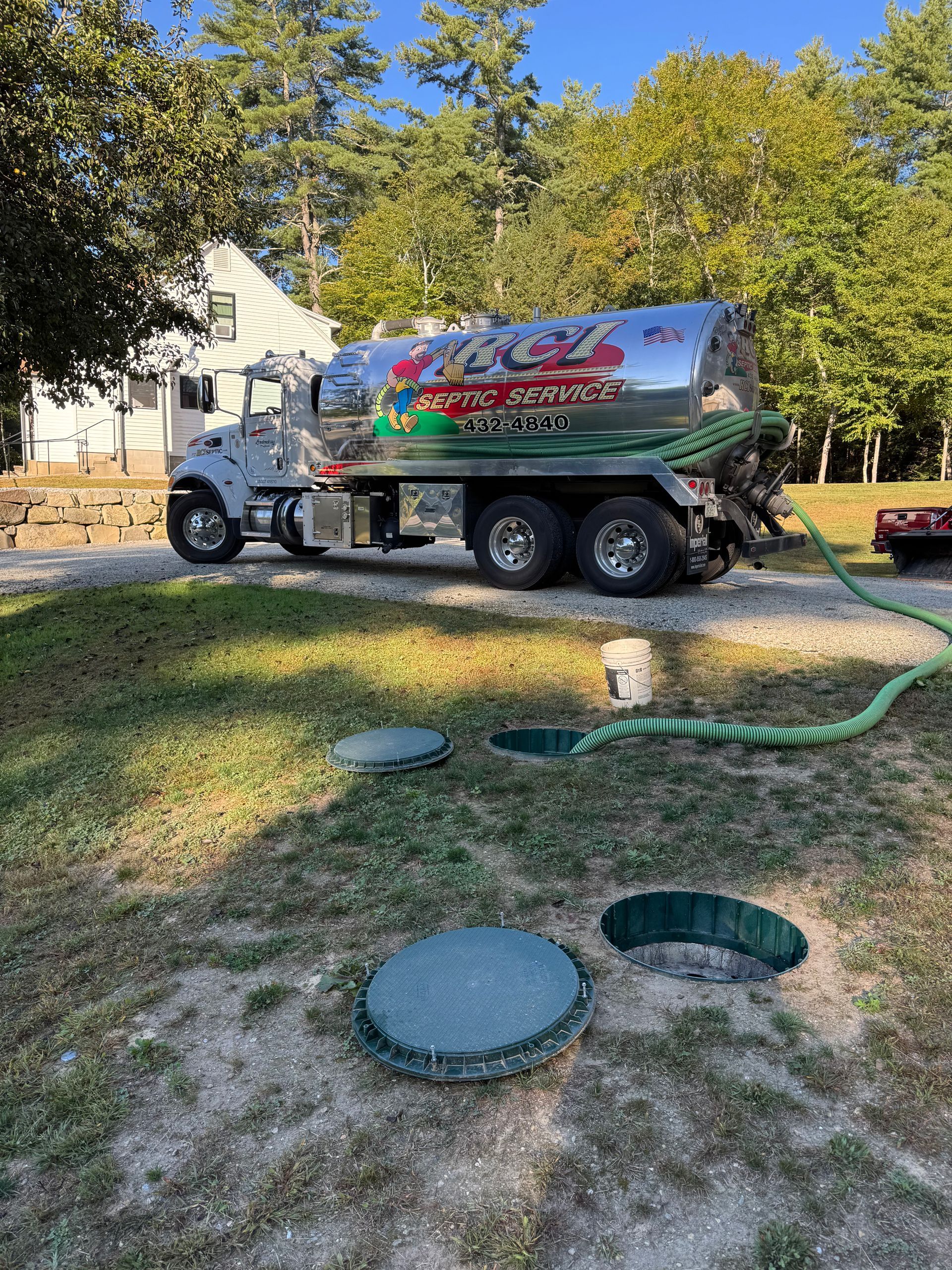
Determining appropriate pumping schedules depends heavily on tank size and household size information found in your septic records. RCI Septic Service provides specific recommendations: yearly pumping for households of 5 or more people, every 2 years for 3-4 people, and every 3 years for households of 1-2 people. Having accurate tank capacity information from your records allows you to fine-tune these recommendations.
Records help identify potential issues before they become expensive repairs. For example, inspection reports might note early signs of drain field problems or tank component wear that can be addressed proactively. Understanding your system's age and maintenance history helps predict when major components might need replacement.
Planning for system upgrades or replacements becomes much easier when you have comprehensive records showing your current system's specifications and performance history. These records help determine whether upgrades are necessary due to household size changes or whether replacement might be more cost-effective than ongoing repairs.
Proper maintenance planning using historical records can extend your system's lifespan significantly. By understanding how your system has performed over time, you can adjust maintenance schedules, identify patterns that might indicate problems, and make informed decisions about repairs versus replacement.
What to Do If You Can't Find Your Records
When septic tank records are unavailable through traditional sources, professional septic system evaluation and documentation services provide an excellent alternative. Companies like RCI Septic Service specialize in creating comprehensive documentation for systems with limited historical records.
Creating new baseline records through comprehensive inspections involves several key steps. First, professionals locate your system using specialized equipment and techniques, including following your main sewer line from the house and using tools to detect buried tanks and components. They then assess system condition, measure capacity, and document all findings.
Establishing maintenance schedules without historical data requires careful evaluation of your current household size, water usage patterns, and system capacity. Professional technicians can provide recommendations based on industry standards and your specific situation, ensuring you maintain your system properly even without historical pumping records.
RCI Septic Service helps homeowners start fresh with proper documentation by providing thorough system evaluations, creating detailed location maps, and establishing appropriate maintenance schedules. This approach ensures you have reliable information moving forward, regardless of missing historical records.
If you need help locating your septic tank records or want to establish proper documentation for your system, contact RCI Septic Service for professional assistance. Their experienced team can help you navigate the record-finding process and ensure your septic system receives proper maintenance. Visit https://www.rciseptic.com to learn more about their comprehensive septic services and how they can help protect your investment in your home's wastewater system.